">

Design System Services

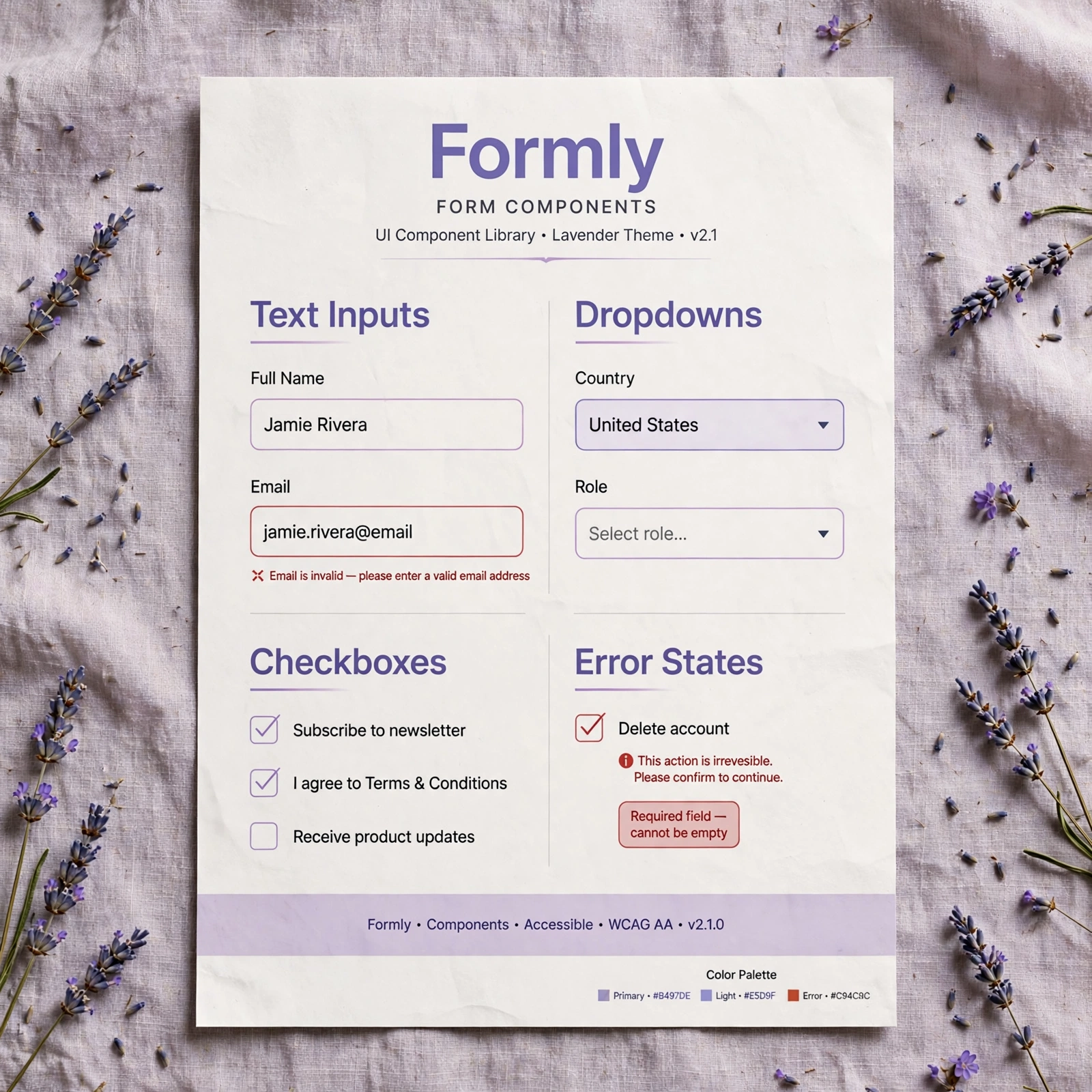
Reusable components, tokens and usage rules that keep every new screen consistent with the product instead of drifting apart.

TokensOne source of truth
ComponentsBuilt once, reused everywhere
DocsRules people follow
Design System by DesignBub
design systems project preview
Design Systems

The rules behind the screens — components, tokens and documentation that let teams ship fast without drifting apart.

Selected Brands & Businesses We Have Designed For
Asset 38 brand logo Asset 4 brand logo Asset 45 brand logo Asset 46 brand logo Asset 47 brand logo Decent Solar logo Dentesthetix logo Gazal Lounge logo GH Landscape logo Asset 38 brand logo Asset 4 brand logo Asset 45 brand logo Asset 46 brand logo Asset 47 brand logo Decent Solar logo Dentesthetix logo Gazal Lounge logo GH Landscape logo
Ghazoor logo Goodluck Trader logo Kingsley logo Lahoris logo MOI logo Naqaa Salt logo Nature Hug logo Netsole logo Ghazoor logo Goodluck Trader logo Kingsley logo Lahoris logo MOI logo Naqaa Salt logo Nature Hug logo Netsole logo
Nexcell Energy logo Roots logo Sheikh logo Shellbee logo Softcore logo Solvac Lifesciences logo Trendex logo Zameenex logo Nexcell Energy logo Roots logo Sheikh logo Shellbee logo Softcore logo Solvac Lifesciences logo Trendex logo Zameenex logo
The design system approach

The standards we hold Design System to

The cost of Design System is decided by scope, not by hourly mystery. We agree the scope, the price and the stages before work starts, so there are no surprises in the middle. If the scope changes, the price is discussed first, not discovered later.

We plan Design System around component reuse rate as much as around features. If the number does not move, the feature did not work, and we say so. Honest measurement is what turns a project into a product that improves.

We choose Documentation for Design System because it fits this design system, not because it is popular this year. Technology choices are made on evidence — what the product needs, what your team can maintain, what will still be supported in three years.
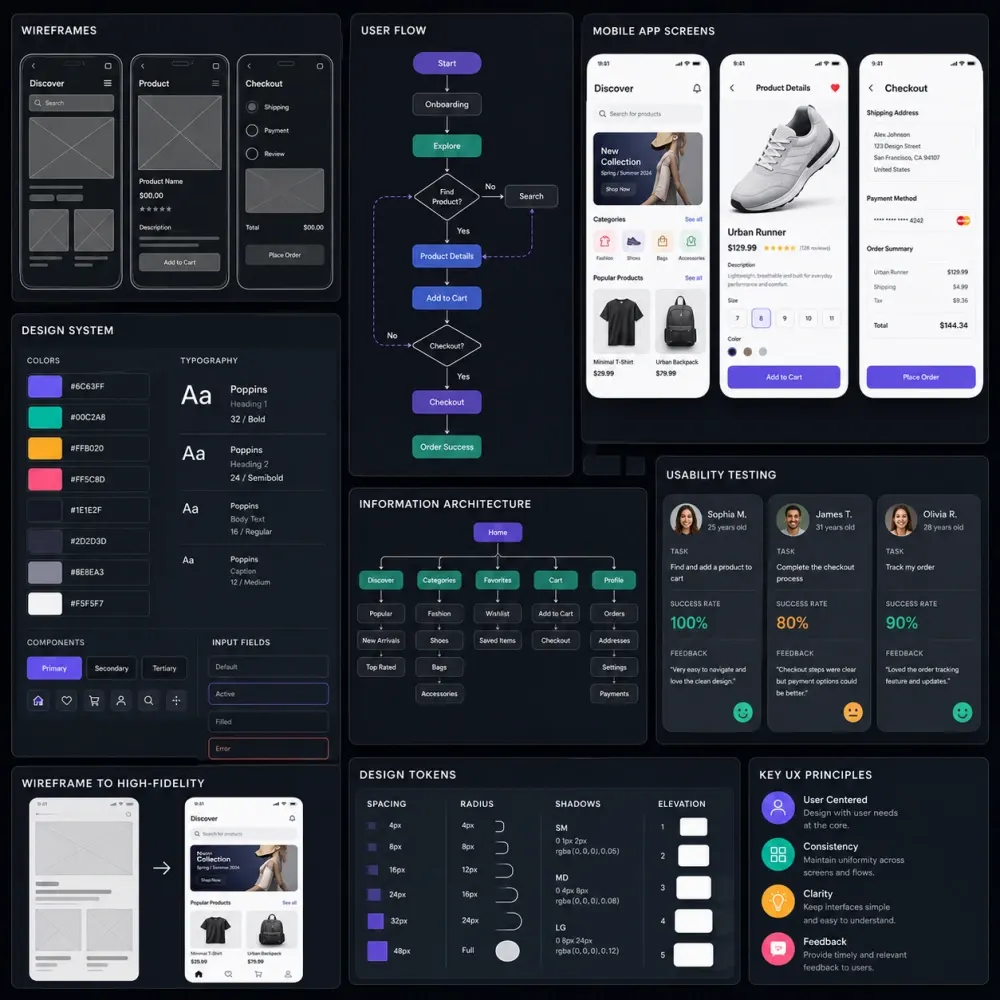
Design System for product teams shipping screens every week

The quiet work inside Design System

A design system that works for product teams shipping screens every week has to work on a bad connection, on an old phone, in a hurry. We design for those moments, not for the perfect demo. Real life is the test environment.

Design System for product teams shipping screens every week

We do not invent features for design systems to fill a page. Every feature we propose answers a task your users actually perform, and we can explain the task it serves. If a feature cannot be tied to real work, it does not get built.

The details behind design system

Every design system we build starts with the people who will use it. We map their tasks, their frustrations and the workarounds they have already invented, because that is where the real requirements live. The result is design systems shaped by actual work, not by a feature list copied from a competitor.

Why Documentation and Versioning

The sign-off for Design System is not a meeting; it is your team using the design system without us in the room. When they can do their jobs with it, the project is done. Until then, it is not.

Why Design System

Design System: the honest version

Good Design System is mostly invisible. The screens are clear, the steps are few, and nothing demands attention for its own sake. If users notice the software, it is usually because something went wrong.

The first version of design system is deliberately small. It does the core job, it does it well, and it gives us something real to learn from. Everything after that is decided by evidence, not by a wish list.

Design System for Documentation teams

Making Design System easy to run

Figma and Variants do different jobs in Design System, and we keep them separate. The interface is for people; the backend is for data. When the two are tangled, every change is expensive. When they are clean, the design system can grow.

The hardest part of Design System is usually deciding what not to build. Every feature has a cost — in time, in complexity, in support — and we help you spend that cost where it earns the most.

The design system difference

What Design System includes — and what it leaves out

We treat Design System as a long relationship, not a one-off delivery. After launch, we stay available for fixes, small changes and the next release — because software that is never updated quietly becomes a liability.

We do not hand over design system and disappear. The weeks after launch are when the real questions arrive, and we stay available for them. A launch is the start of the product's life, not the end of ours.

The Design System standard

Design System that your team can run

Components is where most of the visible work happens, and Variants is where the decisions get made. We keep the two close together, so a change in the workflow does not take a week to reach the screen. That closeness is what makes Design System feel responsive instead of rigid.

We do not disappear after Design System launches. The first month is when the real feedback arrives, and we plan for it — a review, a list of fixes, and the next release. Software is never finished; it is maintained.

Avoiding tokens that drift from the code

What success looks like for Design System

We keep the number of tools in Design System small. Figma, Tokens, Components — each chosen because it fits this design system, each one we can support properly. A long stack is a long list of things that can break.

One of the quiet risks in Design System is tokens that drift from the code. We design against it from the start, because fixing it after launch costs far more than preventing it. Small decisions early — in structure, in access, in data — are what keep a design system reliable.

Design System overview

Everything your design system needs

Errors in design system should be helpful, not cryptic. We write error messages that say what went wrong and what to do next, because a user who knows what to do is a user who stays.

01

Component Library

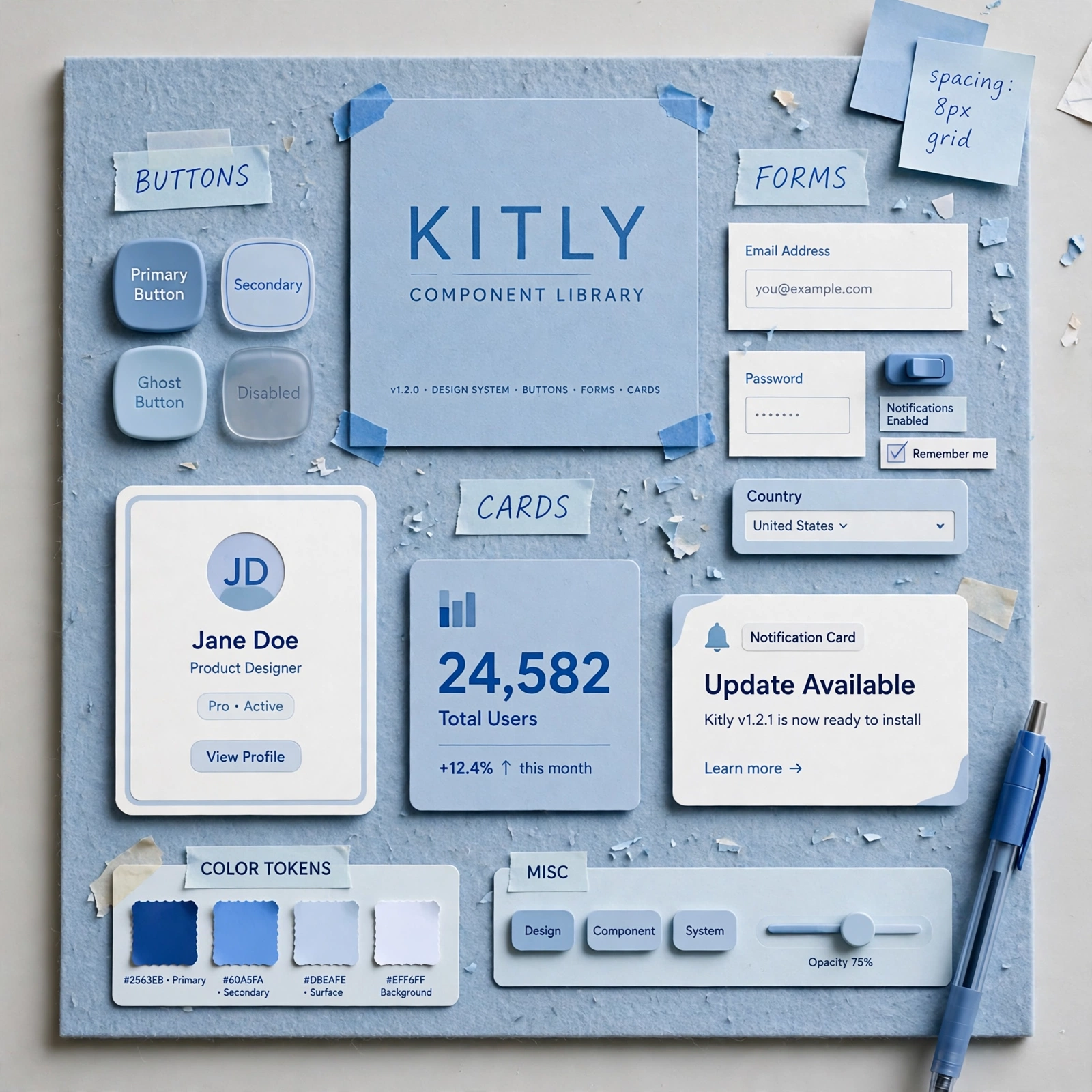
Buttons, forms, cards, tables and navigation, built once and reused everywhere.

Components
02

Design Tokens

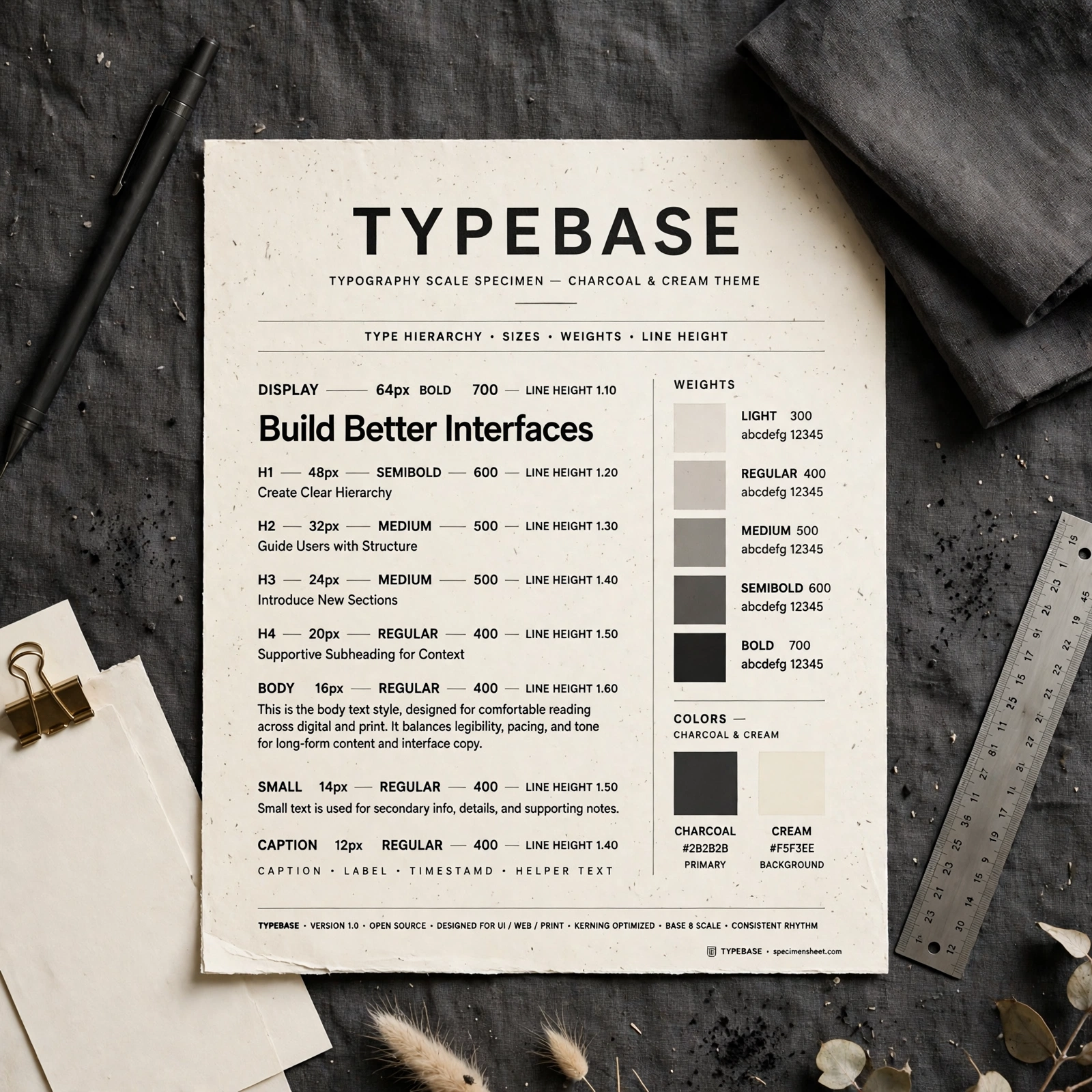
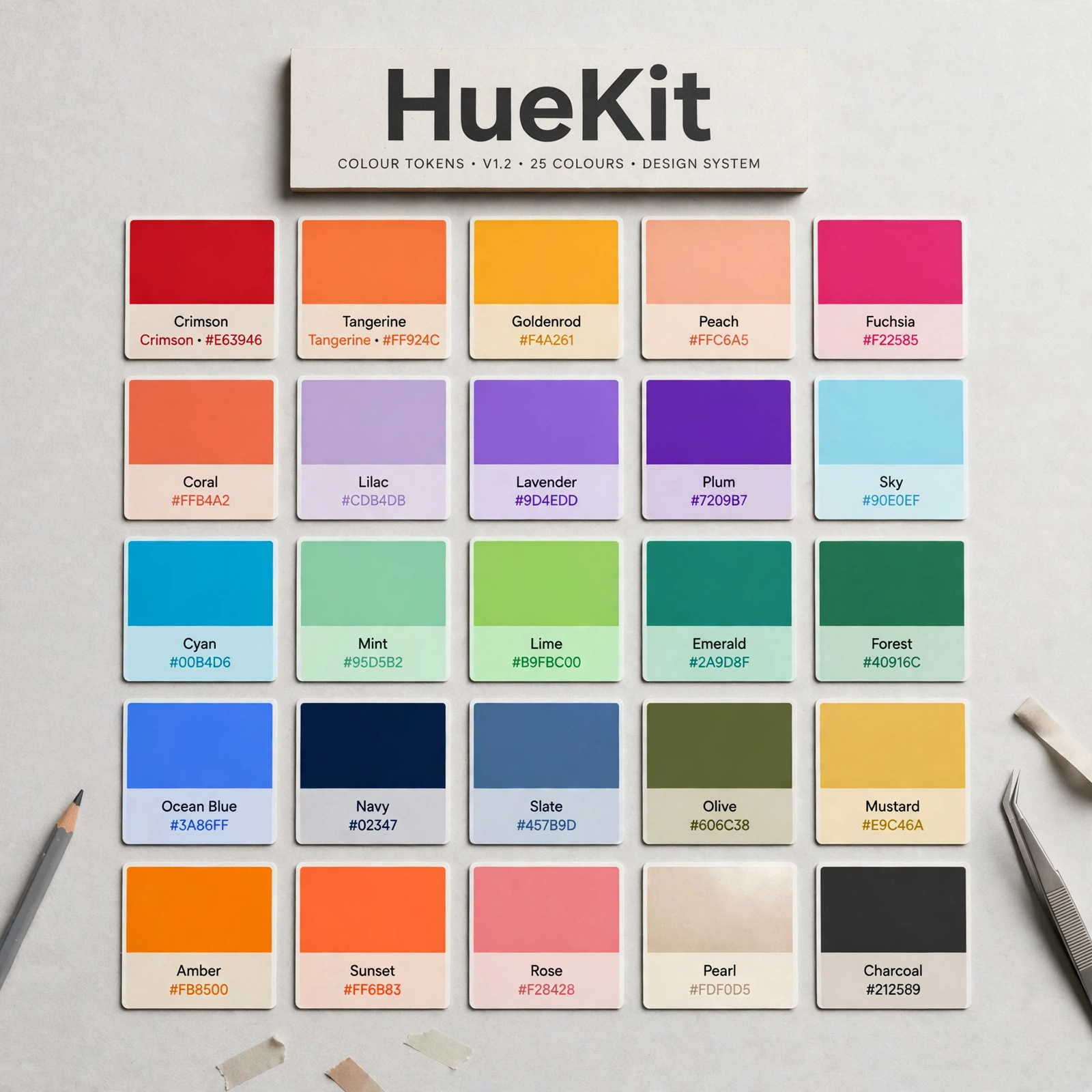
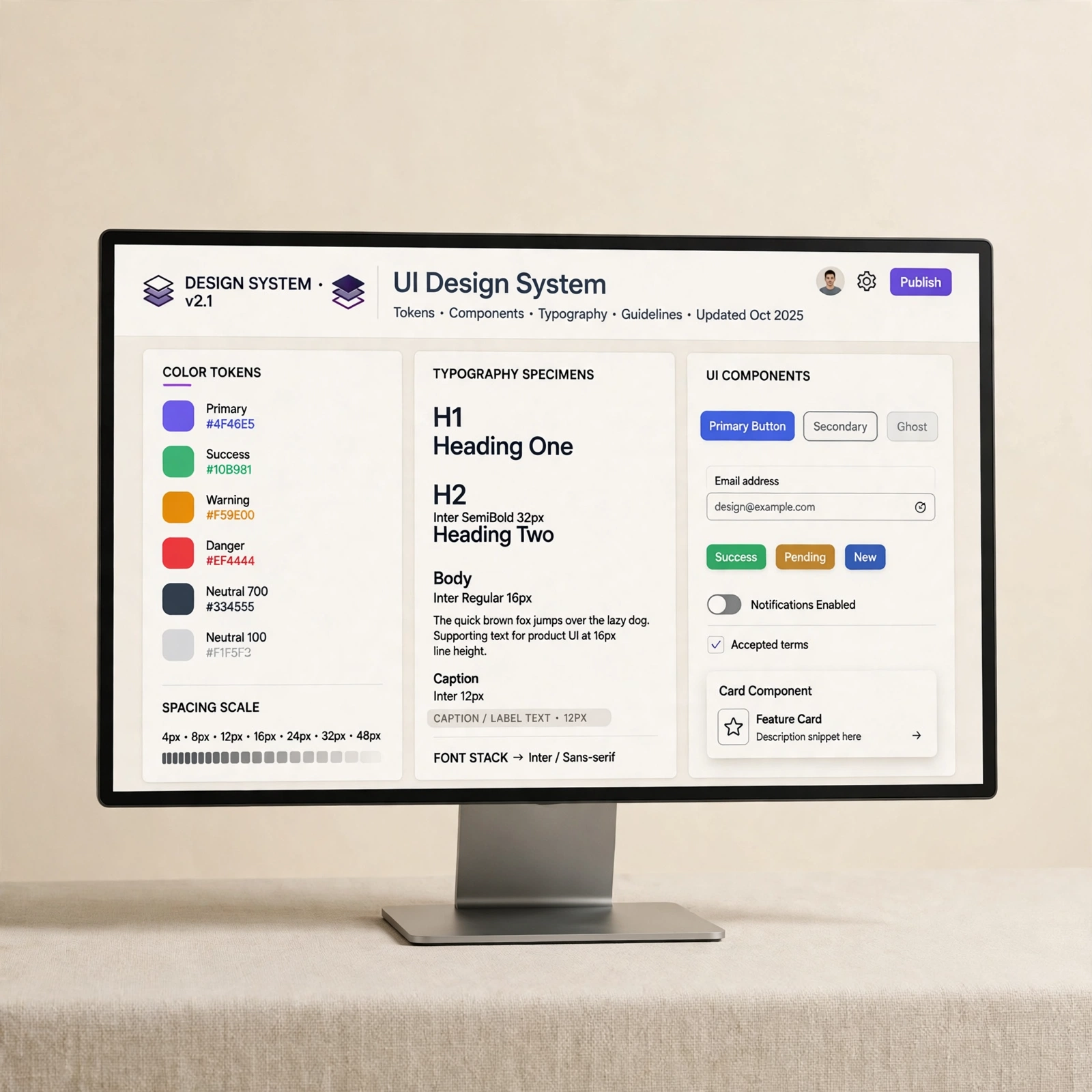
Colours, typography, spacing and radii as named tokens that map to code.

Tokens
03

Usage Documentation

Clear rules for when to use each component — and when not to.

Docs
04

Variants & States

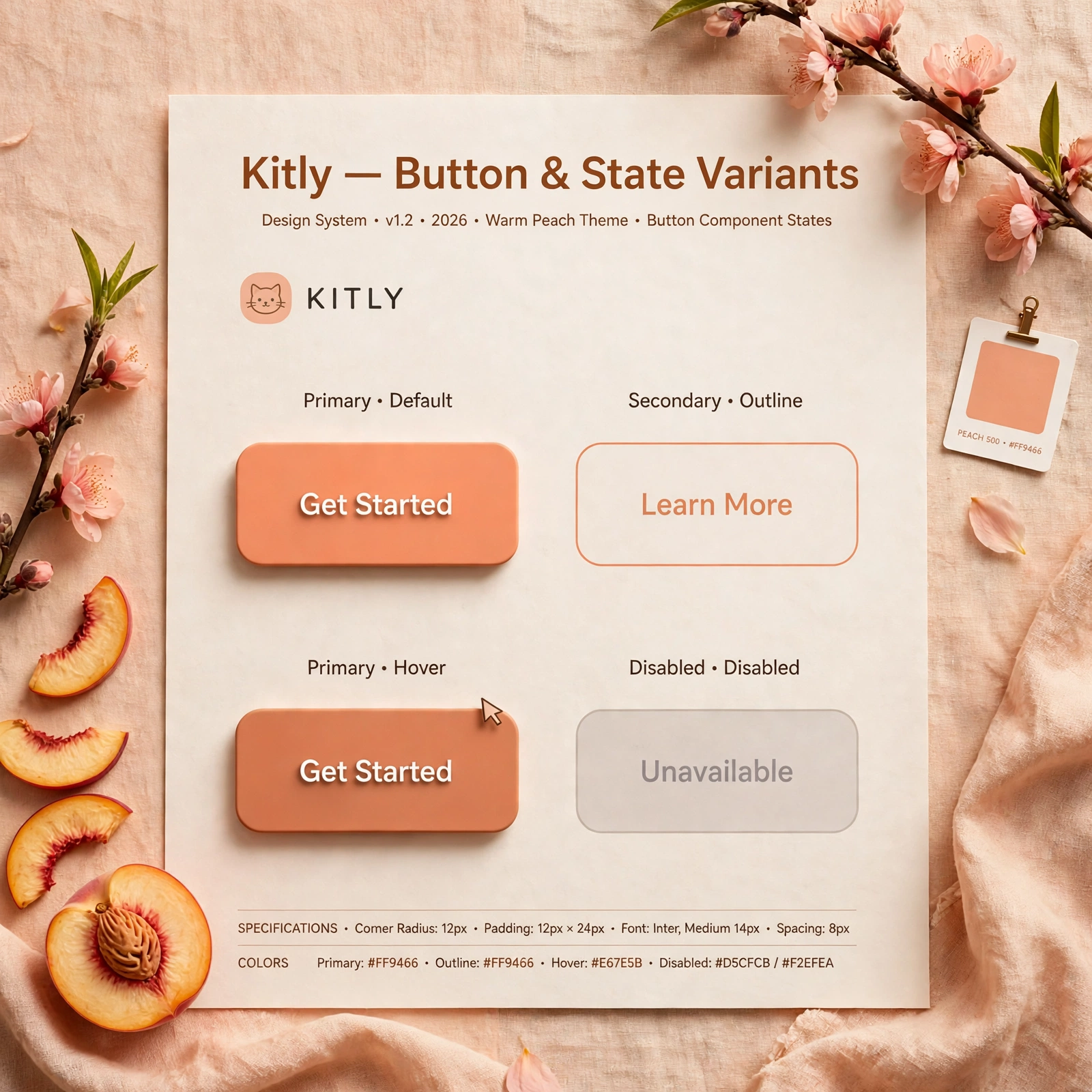
Hover, active, disabled, loading and error states designed for every component.

States
05

Icon System

A consistent icon set with rules for size, stroke and usage.

Icons
06

Governance & Versioning

Ownership, change rules and versioning so the system stays trusted.

Governance
What Design System delivers

What Design System looks like after six months

We keep Design System honest about time. If something will take three weeks, we say three weeks. Optimism in estimates is how projects run late, and we would rather be believed than be liked for a day.

We ask awkward questions at the start of Design System: who will maintain this, what happens when the data is wrong, what does the user do when this fails? Awkward now is better than expensive later.

What Design System really means

What we refuse to cut corners on in Design System

We build Design System in short cycles so you see progress every week. Working software, real screens, real data — not a slide deck about what will happen next month. If something is off, we find out in days, not at the end.

The admin side of design system gets the same attention as the customer side. Your team needs to change content, manage users and see what is happening — without waiting for a developer. A design system you cannot operate is a design system you do not own.

Design System with Variants

How we approach Design System

The first week of Design System is the most important. We spend it understanding the problem, the users and the constraints — before any code is written. A week of understanding saves a month of rebuilding.

What looks simple in a design system is usually the hardest part to get right: the empty state, the error message, the moment something goes wrong. We design those moments carefully, because that is when users decide whether to trust you.

How Design System is built

The parts of Design System people forget

Variants and Documentation are the tools we reach for most on Design System projects, but the tool is never the point. What matters is whether the design system does the job your team needs it to do, every day, without fuss. We choose the stack after the workflow is understood, not before.

The fastest way to waste money on Design System is to build everything at once. We separate the core — the workflow that must work on day one — from the features that can wait, and we prove the core first. That is how component reuse rate improves without the budget disappearing into nice-to-haves.

Your design system, explained

A practical look at Design System

A design system that nobody can operate is a liability, not an asset. We build the admin side with the same care as the customer-facing side, so your team can change content, manage users and see what is happening without calling us. Handover is part of the project, not an afterthought.

A design system is only as good as its data. We plan where data comes from, how it is checked, and what happens when it is wrong, before a single screen is drawn. Garbage in, garbage out is not a slogan; it is a project risk.

The way we do Design System

The design system your business actually needs

We test Design System with real tasks, not with a checklist of features. Can a new user complete the core job without help? Can your team handle the common support question? Those are the tests that matter.

We build Design System so that screens shipped faster is not a hope but a result you can check. The goal is agreed at the start, measured as we go, and reviewed honestly at the end. That is how a project becomes a product.

Design System in detail

How Design System grows with your business

We write documentation for Design System that a new team member can actually follow. Setup, data, deployments, common tasks — all written down, because a design system that only one person understands is a risk to your business.

If tokens that drift from the code is the risk you are worried about, say so early. We would rather design around a known risk than discover it in testing, and most risks in Design System have a boring, proven answer once they are named.

A good design system respects the user's time. Screens load fast, forms ask for only what is needed, and the next step is always obvious. We remove steps wherever we can, because every extra click is a chance to lose someone.

Design System in practice

The design system worth investing in

We have seen Design System projects go wrong in the same few ways, and a system too rigid to use is near the top of the list. Our process is built to catch it early: a review before the build, a check during the build, and a test before launch.

component reuse rate is the number we watch most closely on Design System projects, because it tells us whether the design system is actually being used. A beautiful product that nobody opens is a failure, however polished it looks.

Design System that delivers a product that looks like one product

Why Design System is not a commodity

The interface of design system should make the right action obvious and the wrong action hard. We think carefully about defaults, confirmations and destructive actions in Design System, because a misclick should never be a disaster.

The design system we build for product teams shipping screens every week has to work for the least technical person who will use it. If they can complete the task without help, everyone can. That is the standard we test against, and it is stricter than it sounds.

Design System for your team

Design System from the user's point of view

We price Design System on scope, and we agree the scope with you before work starts. If you want to change the scope mid-project, we talk about the cost first. No one likes a surprise invoice, least of all us.

A design system should load fast, work offline where it matters, and fail gracefully when it cannot. We design Design System for the moments when things go wrong, because those moments are when users decide whether to come back.

The details of Design System

The decisions behind Design System

We measure Design System by visual inconsistencies found and time to ship a screen, not by how many screens we shipped. Numbers that improve mean the design system is doing its job; numbers that do not tell us what to fix next. Every release has a question attached to it, and the answer decides the next step.

Tokens keeps the data behind Design System honest. It is not the glamorous part of the project, but it is the part that decides whether your reports are true and your users' information is safe.

The Tokens side of Design System

What we check before design system goes live

We review Design System with you at every stage, not just at the end. You see the design before it is built, the build before it is launched, and the launch before it is announced. There are no big reveals — only steady progress.

The best compliment a design system can get is silence: users who simply get their work done and move on. We aim for that — software that disappears into the task, rather than demanding attention for itself.

Why time to ship a screen matters

How Design System earns its place

We document Design System as we go, not at the end when everyone has forgotten the details. Decisions, trade-offs, setup steps — all written down while they are fresh. Your future team will thank you.

A design system is a promise to its users: it will be there, it will work, and it will keep their data safe. We take that promise seriously in Design System, which is why the boring parts — backups, monitoring, updates — are set up from day one.

Tokens and Components in Design System

The working parts of Design System

The best Design System projects have a small team and a clear decision-maker on your side. Decisions get made in hours, not weeks, and the design system moves forward. We will tell you if the decision process is slowing the work down.

We start Design System by watching the current process, not by reading a brief about it. The brief says what people think happens; watching shows what actually happens. The gap between the two is usually where the real project lives.

Design System explained

Our Design System process, step by step

We would rather tell you that Design System is not the right move than sell you something you do not need. If a simpler tool does the job, we will say so. That honesty is why clients come back.

01

Discovery

We review the product, its screens and where inconsistency costs time.

02

Audit

Existing components are inventoried: what exists, what duplicates, what is missing.

03

Tokens

Colours, type, spacing and radii are defined as named tokens.

04

Components

Core components are designed with variants and states.

05

Documentation

Usage rules are written in plain language with do and do-not examples.

06

Prototype

Components are tested in real screens before being finalized.

07

Review

The team reviews the system against real product work.

08

Refinement

Feedback is folded in and edge cases are covered.

09

Release

Version one is released with a changelog and migration notes.

10

Handoff

Ownership, update rules and maintenance are agreed and documented.

Inside Design System

The workflow behind Design System

Design System projects fail most often on handover, not on code. So we build the handover into the plan: documentation, a walkthrough with your team, and a period where we are still there to answer questions. The design system should feel like yours on day one.

Data is the quiet part of Design System. Where it comes from, how it is checked, who can see it — these decisions are made early, written down, and tested. A design system built on messy data will stay messy.

UI UX Design Pricing

Starting packages for different levels of product design.

These packages provide a clear starting point. Final pricing depends on the number of unique screens or page templates, workflow complexity, responsive variants, research depth, prototype requirements and whether a larger design system is needed.

Focused interface

UI UX Starter

Starting from$660

For a focused website, landing experience or small product flow that needs clear structure and polished UI.

  • Discovery and requirements review
  • Up to 5 key screens or page templates
  • Core user flow planning
  • Low-fidelity wireframes
  • High-fidelity UI design
  • Responsive direction for key layouts
  • Clickable prototype for main flow
  • Up to 3 revision rounds
  • Editable Figma source file
Choose UI UX Starter ↗
SaaS or mobile product

SaaS & App UI UX

Starting from$2,640

For SaaS platforms, dashboards and mobile products with deeper workflows, states and reusable interface requirements.

  • UX planning for complex workflows
  • Up to 18 key screens
  • Role-aware flows where required
  • Wireframes and high-fidelity UI
  • Dashboard, web or mobile layouts
  • Loading, empty and error states for key flows
  • Interactive prototype
  • Starter design system
  • Up to 6 revision rounds
  • Developer handoff and design notes
Discuss SaaS / App UI UX ↗

Common standalone starting prices

ServiceStarting PriceTypical Scope
UX Audit$249Focused review with prioritized interface and usability recommendations.
Landing Page UI UX$299One conversion-focused responsive landing page design.
Website UI UX$599Up to 5 key website page templates.
Mobile App UI UX$899Up to 5 key mobile app screens.
SaaS Dashboard UI UX$1,199Up to 8 dashboard or web-app screens.
Design System Starter$599Core colors, type, spacing and common reusable components.
Additional UI Screen$79One additional screen within an existing approved design direction.

Pricing note: Prices are starting design fees in USD. Development, copywriting, paid research participants, user-testing incentives, licensed stock assets, premium fonts, third-party software and substantial new scope are separate unless specifically included in the quotation. “Screen” means a unique interface screen or page template; simple state variations may be grouped where appropriate.

Where a system too rigid to use is handled

What you receive from Design System

A design system that tries to do everything does nothing well. We narrow Design System to the job it must do, and we do that job properly. Focus is a feature.

Component Audit
Design Tokens
Component Library
Variants & States
Icon System
Usage Documentation
Figma Library
Versioning Rules
Migration Notes
Handoff & Ownership
Component Audit
Design Tokens
Getting Design System right

Who benefits most from Design System

We treat your budget for Design System with respect. Every pound is accounted for in the scope, and we flag anything that would change the price before we do it. You should never be surprised by an invoice from us.

The difference between a design system that works and one that merely exists is usually the second pass. After the first working version, we watch real people use it, note where they hesitate, and fix the friction. That is unglamorous work, and it is most of the value.

fewer one-off decisions is the outcome we design Design System around. Everything else — the screens, the features, the integrations — exists to serve that outcome. If a feature does not serve it, we question it.

Design System at a glance

Straight answers on Design System

A shared set of components, styles and rules — colours, typography, spacing, buttons, forms, cards — plus documentation on when to use each one. It stops every screen being designed from scratch.

If the components live in scattered files, with three versions of the same button, you have parts, not a system. A system adds tokens, rules, ownership and versioning, so the parts stay consistent as the team grows.

We define tokens that map to code variables, name components the same way developers do, and document the mapping. We can also work with your developers on the handover so Figma and code stay aligned.

A focused system for one product takes weeks, not months. We start with the components you actually use, document them properly, and grow the system as the product grows — no big-bang library nobody asked for.

We document ownership and update rules, and we can stay on for maintenance. A system without an owner drifts; we make sure someone owns it before we hand it over.

Stop redesigning the same button.

If every new screen starts from scratch, the product drifts and the team slows down. A design system pays for itself in the first few months. Show us your screens and we will audit what you already have.

WhatsApp DesignBubChat with us now