T-Shirt Design
From a bold streetwear drop to team tees your staff will actually enjoy wearing, DesignBub designs custom t-shirts that print cleanly, sit well on the garment and say something worth wearing.
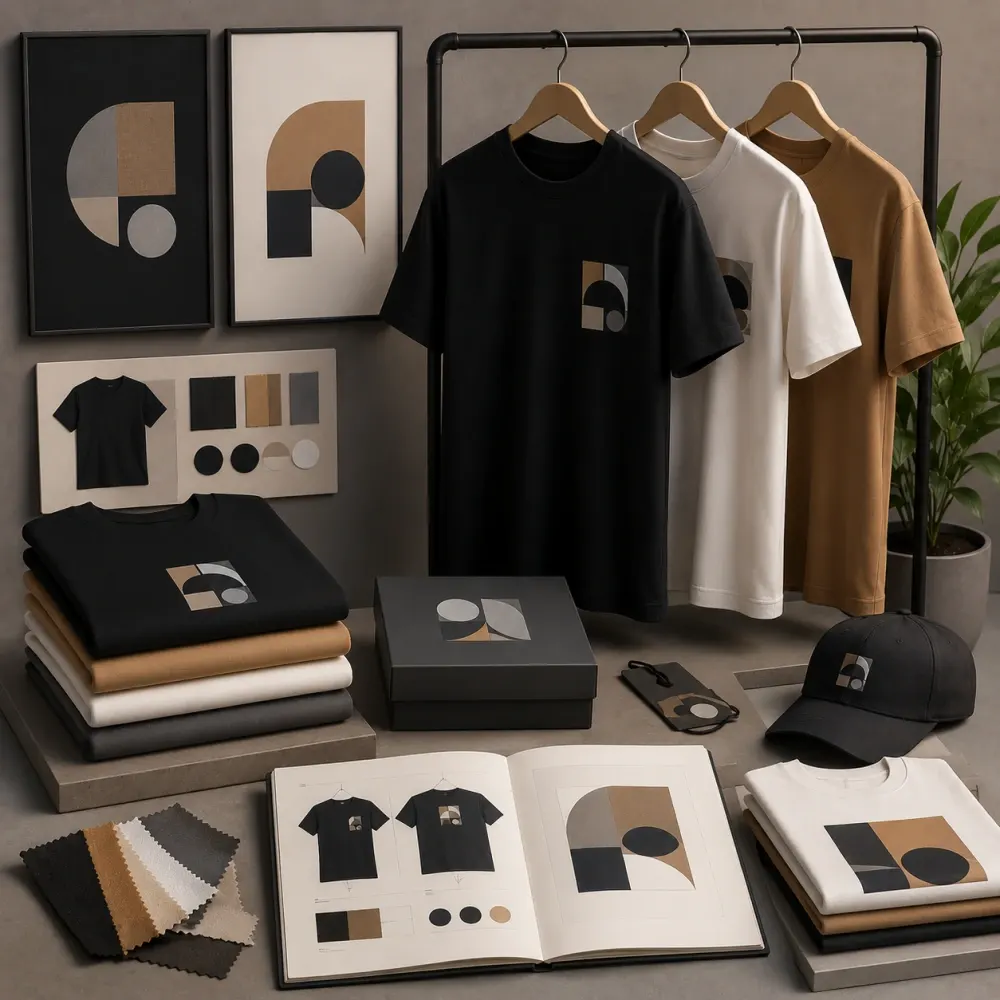
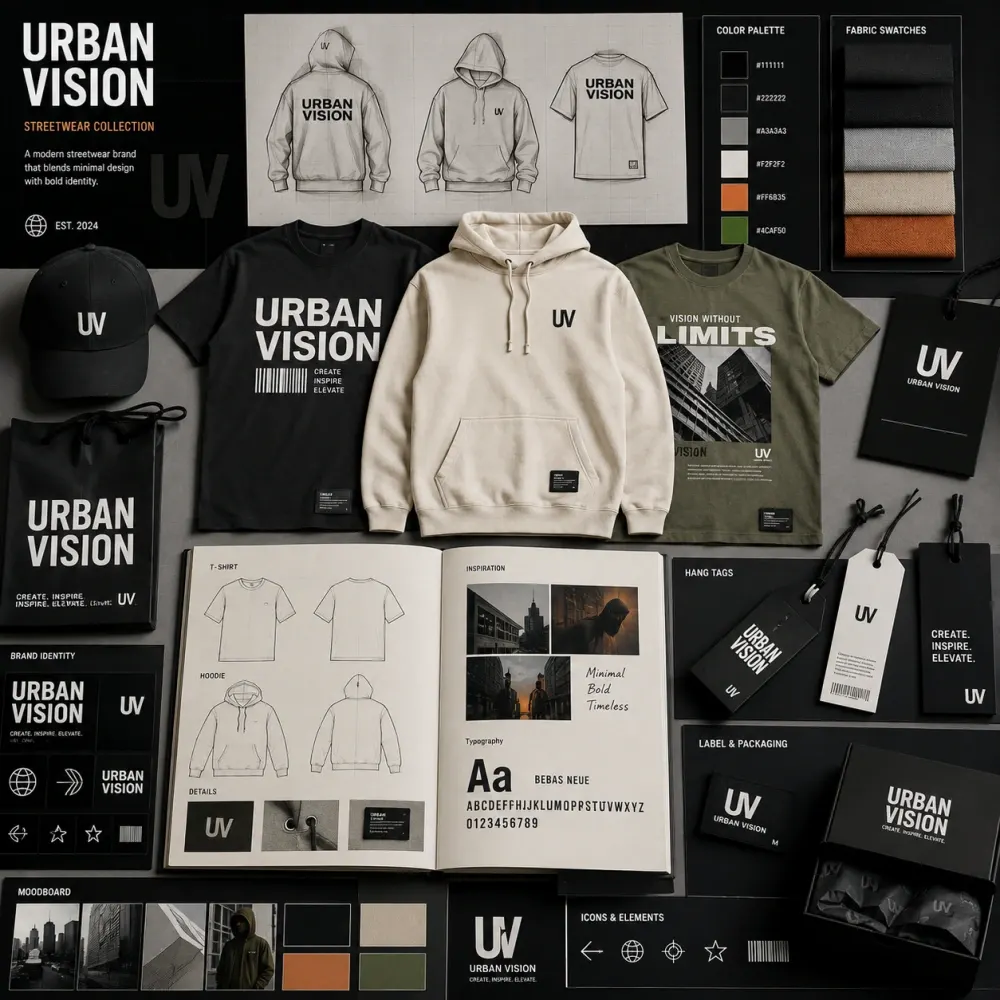
One graphic, planned for the shirt it lands on — front, back or sleeve — with colours and line weights your printer can reproduce without surprises.
A t-shirt graphic has to survive the wash, the wear and the glance across a room.
A tee is worn, folded, stretched and washed — and the design has to hold up through all of it. A graphic that looks sharp on a flat screen can crack, fade or vanish into a seam once it is printed on cotton, so we design with the garment in mind from the first sketch. Scale is judged at body distance, not at arm’s length from a monitor, and every line is checked against what the chosen print method can actually hold.
That thinking shapes who the shirt is for. A streetwear drop needs attitude and a graphic people want to be seen in. A charity fun-run tee needs a message readable from the back of a crowd. A staff shirt needs the brand to read clearly without turning the wearer into a walking billboard. We ask about the audience, the garment colour, the print method and where the shirt will be worn before we draw anything.
What goes into a t-shirt design that is ready to print.
No two tees are the same job. A heavyweight black shirt for a band and a white cotton tee for a school fete need different artwork, different ink thinking and different placement — so each project is planned around its own garment and printer.
Front & Back Graphics
Original artwork built for the shirt — a chest graphic, a full back print, or a front-and-back pair that works as one idea.
T-Shirt Design02Placement & Sizing
Front, back, sleeve and chest positions sized to your printer’s actual print area, so nothing lands on a seam or shrinks to a postage stamp.
T-Shirt Design03Print-Method Setup
Artwork prepared for screen printing, DTG or DTF — colour counts, underbases and separations handled the way your printer needs them.
T-Shirt Design04Colourways & Mockups
See the design on light and dark garment colours before you commit, with mockups that show how it really sits on the shirt.
T-Shirt DesignTees designed to be worn, not just looked at.
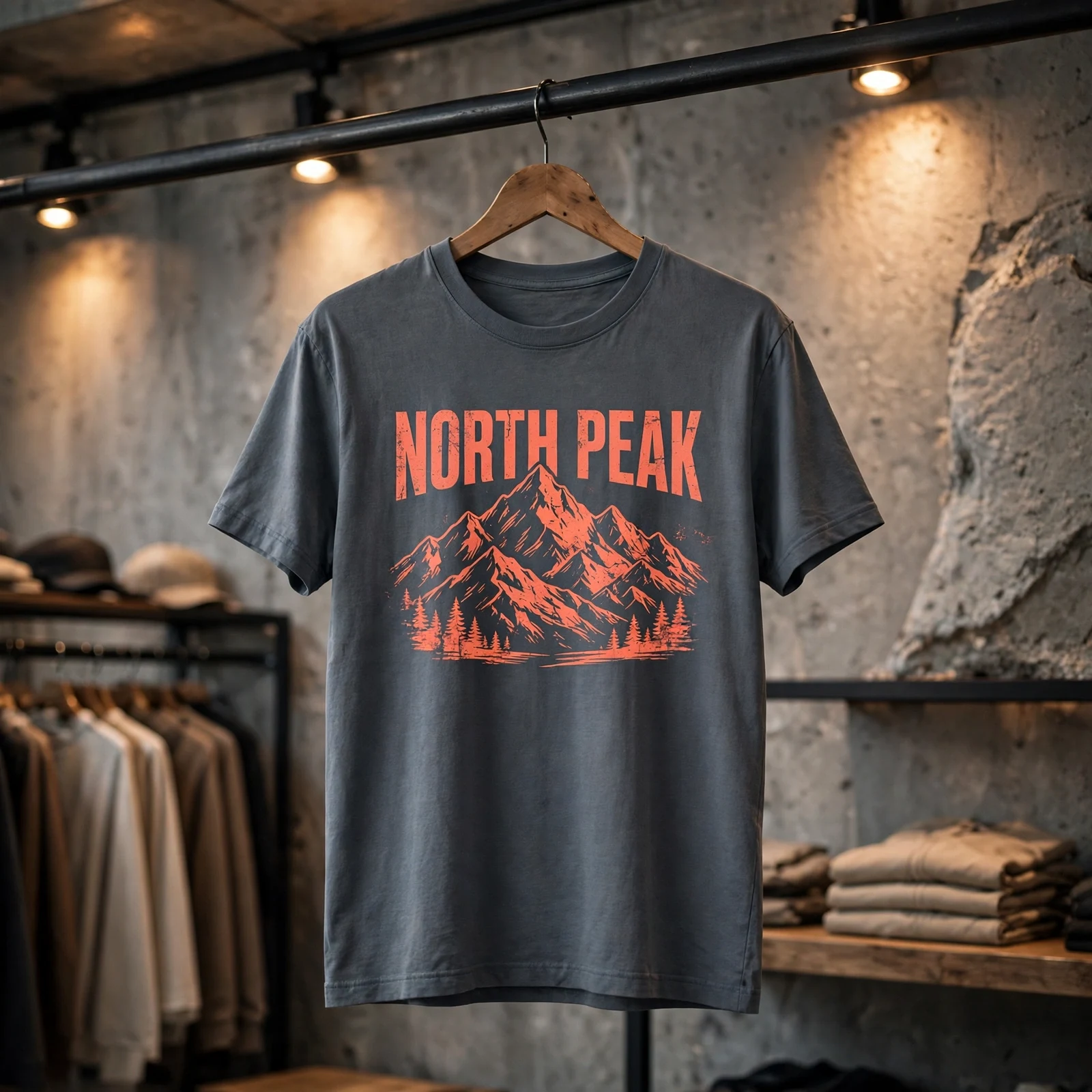
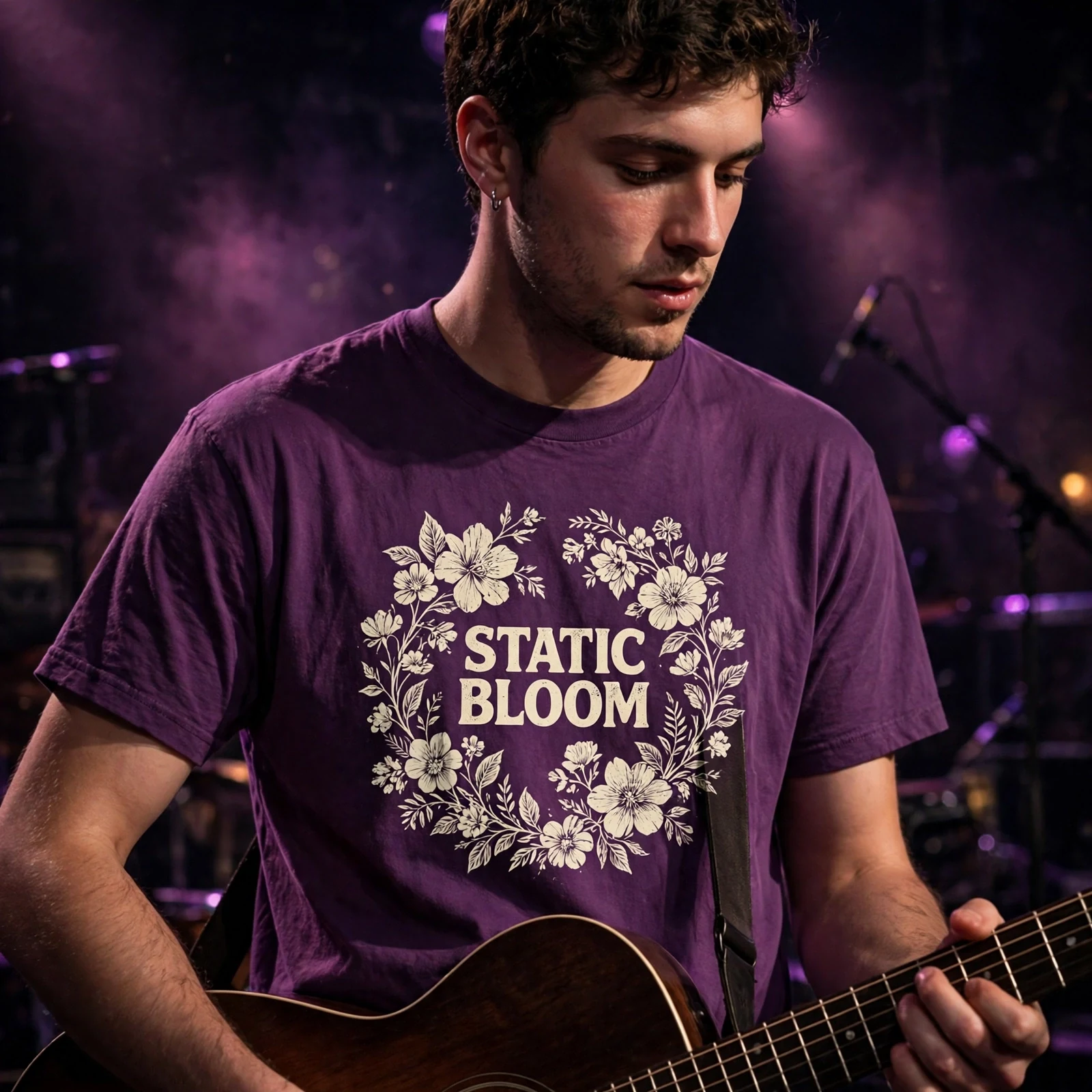
A few recent t-shirt directions — streetwear, band merch, corporate, fitness, vintage and kids — each built around its own garment, audience and print method.
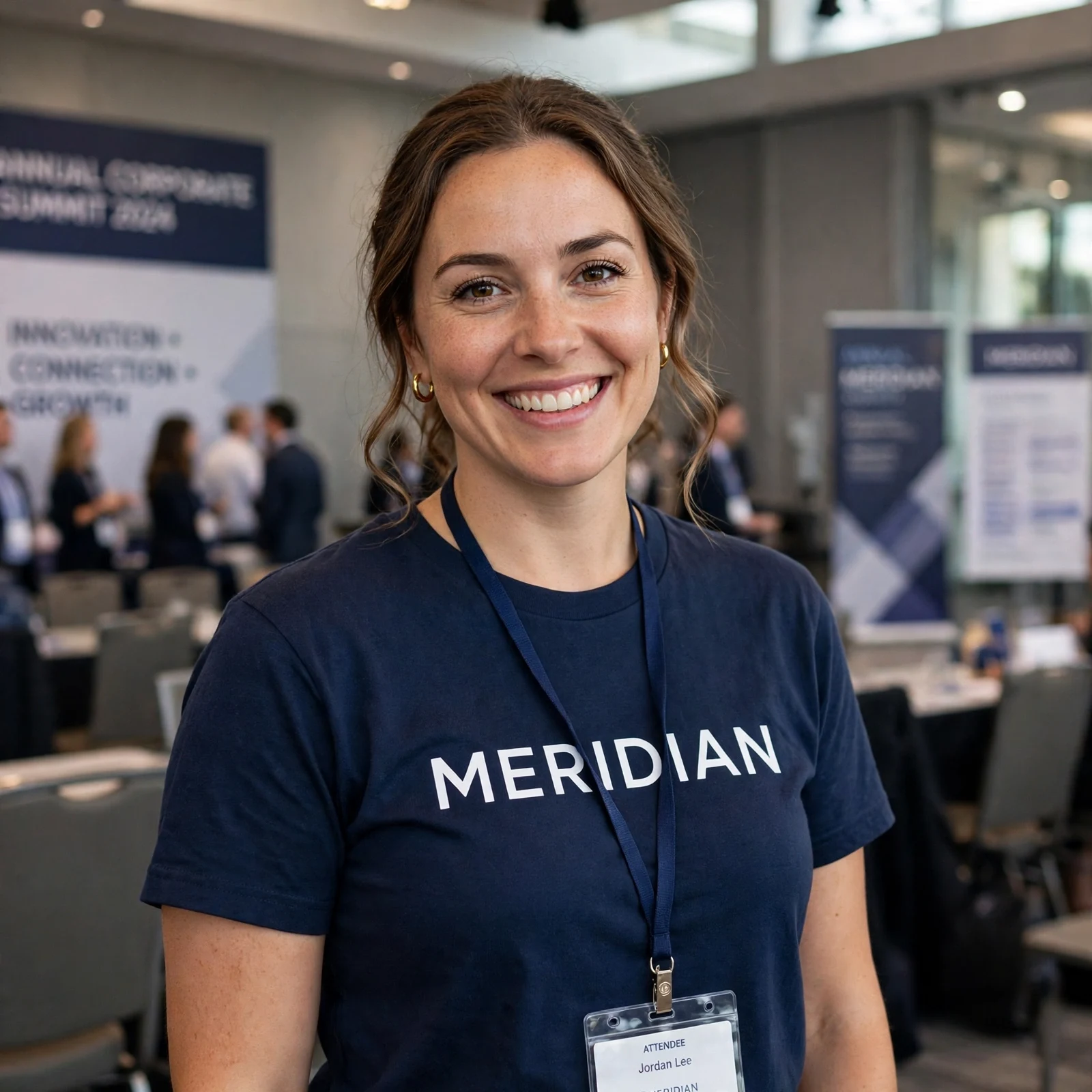
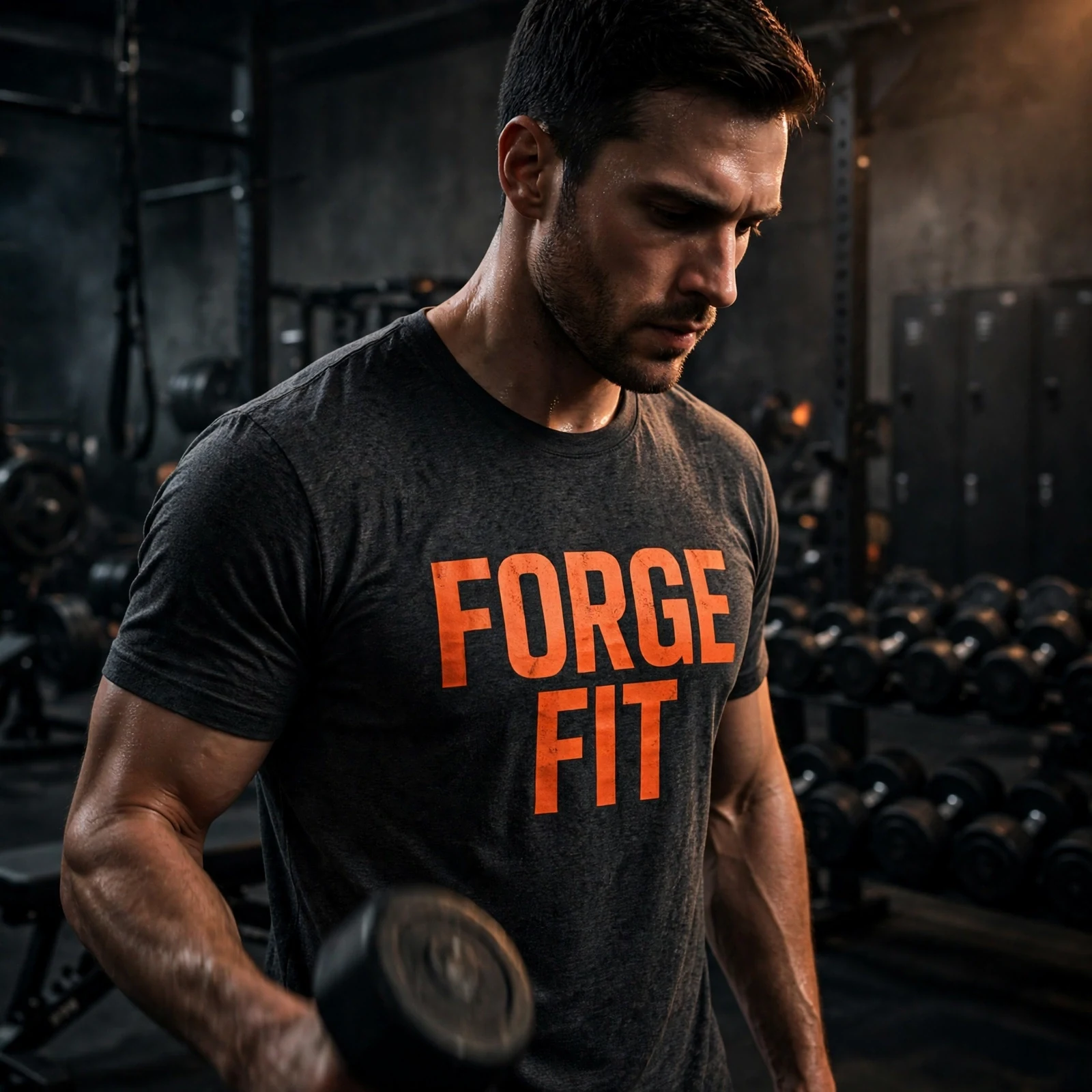
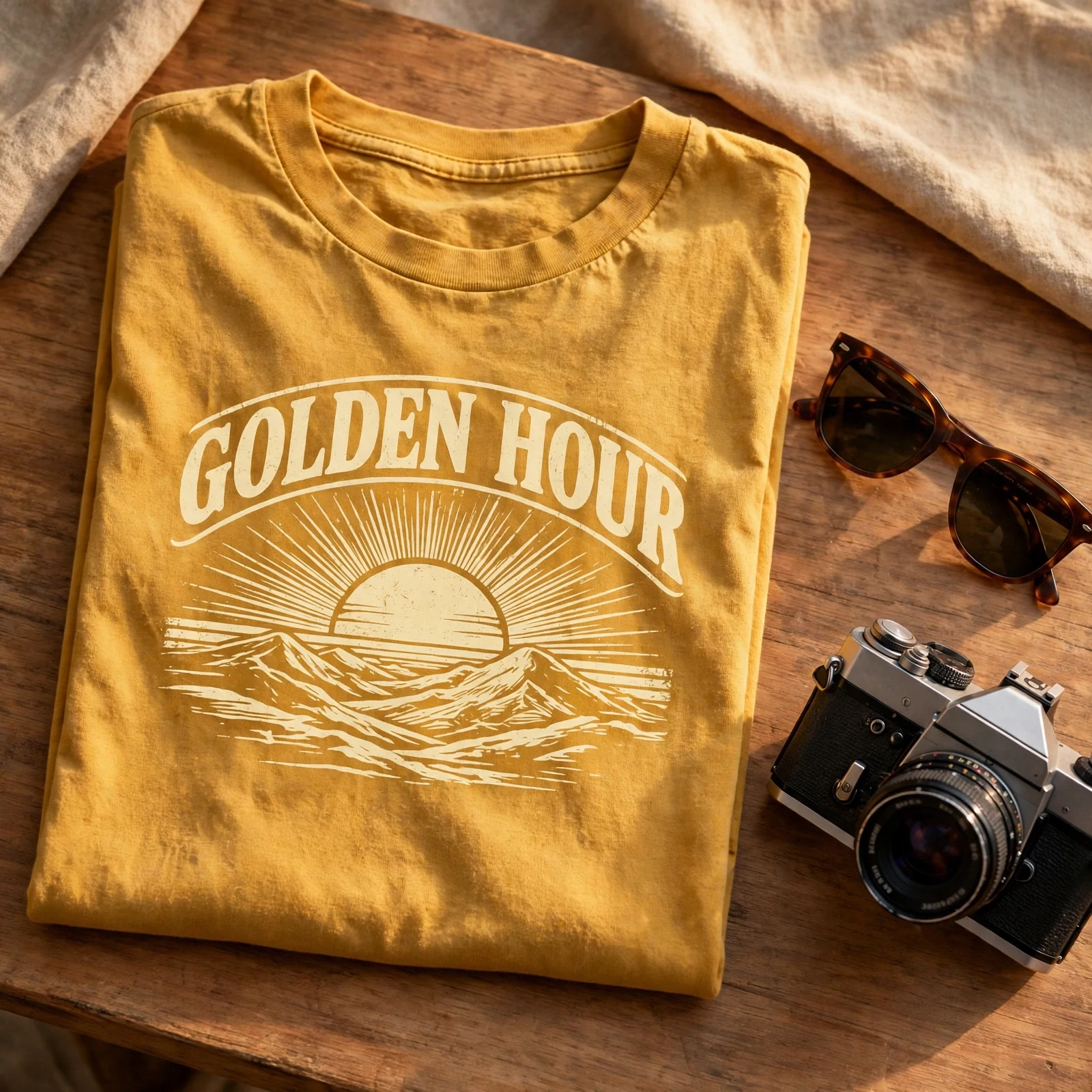

Why a tee designed for the printer looks better on the person.
A shirt is judged in the real world — at a gig, in the gym, across a conference hall. We make the practical calls early so the finished tee reads well at a distance and survives the wash.
Graphics That Sit Right
Artwork is composed for a moving body, so the print stays balanced whether the shirt is worn, folded or photographed.
Inks That Hold Their Edge
Line weights and colour counts are chosen for your print method, so fine detail does not fill in or crack after the first wash.
One Design, Every Colourway
Light and dark garment versions are prepared up front, so the same graphic can run on black, white and coloured shirts without a redesign.
From a blank shirt to a print-ready file in four clear stages.
Garment & Print Brief
You share the shirt style and colours, the print method, the placements you need and who will wear it.
Graphic Directions
We sketch two or three graphic directions at true apparel scale, so you judge them the way they will actually look on a chest or back.
Printer-Ready Refinement
The chosen direction is tightened for your vendor — line weights, colour separations and sizing adjusted to their spec sheet.
Mockups & File Handoff
You approve garment mockups, then receive the finished artwork, separations and a print-size reference for the printer.
What arrives with your finished t-shirt artwork.
Every tee project is scoped around its own garment and printer, so the file list below is the starting point — the final package matches what your vendor actually asks for.
Questions to ask before your tees go to print.
Straight answers on garment choice, print methods, files and how a t-shirt project starts.
It depends on the design and the run size. Screen printing suits bold graphics with a limited colour count, DTG handles detailed full-colour artwork on smaller runs, and DTF works well across many garment colours. Share your design idea and quantities and we will recommend the method your printer can reproduce best.
Yes. We prepare light and dark garment versions of the same artwork, adjusting ink colours, underbases and contrast so the design stays readable on both. A graphic that works on a white tee often needs real changes — not just an inversion — to work on black.
The garment style and colours, the print placements you want, your printer’s print-area size and method if you have them, your logo or brand files, and the message or artwork direction. If you do not have a printer yet, we can prepare the artwork to common print standards and adapt it once a vendor is chosen.
Artwork prepared for the right print method, with sensible line weights and ink coverage, holds up far better than a graphic simply dropped onto a shirt template. The final wash durability still depends on the printer’s inks, curing and the garment itself, so we always recommend a test print for larger runs.
Yes. Once the shirt artwork is approved we can produce garment mockups for product listings and social posts, showing the design on the actual shirt colours you plan to sell.
Got a shirt idea? Let’s make it something people want to wear.
Tell us the garment, the occasion and the message. We will turn it into artwork your printer can run and your audience will actually enjoy putting on.