Technical SEO Audit
We review crawling, indexation, canonical signals, redirects, sitemaps, duplicate URLs, internal architecture and other technical issues that can keep important pages out of results.
Technical SEODesignBub helps businesses become easier to find on Google through stronger site structure, genuinely useful content and technically sound pages. We combine technical SEO, keyword research, on-page optimisation, internal linking, content planning and honest measurement — with no ranking guarantees and no keyword stuffing.
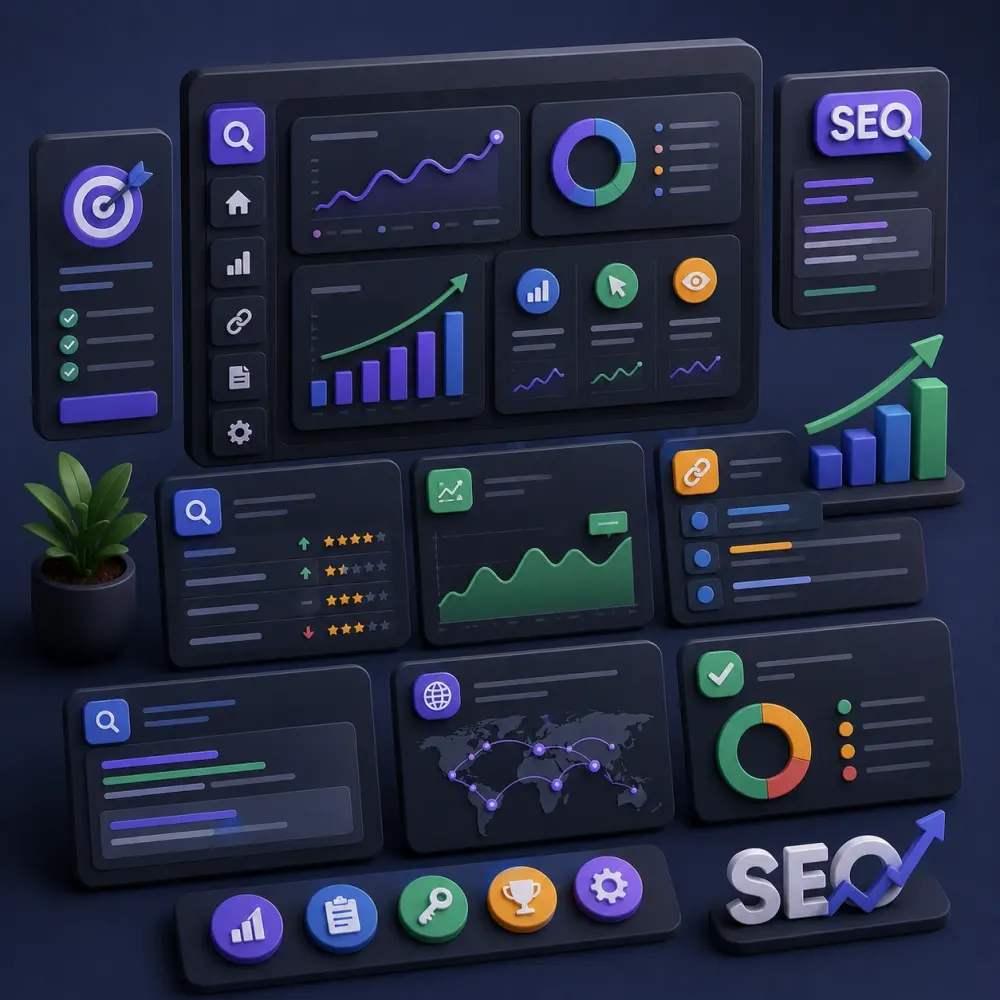
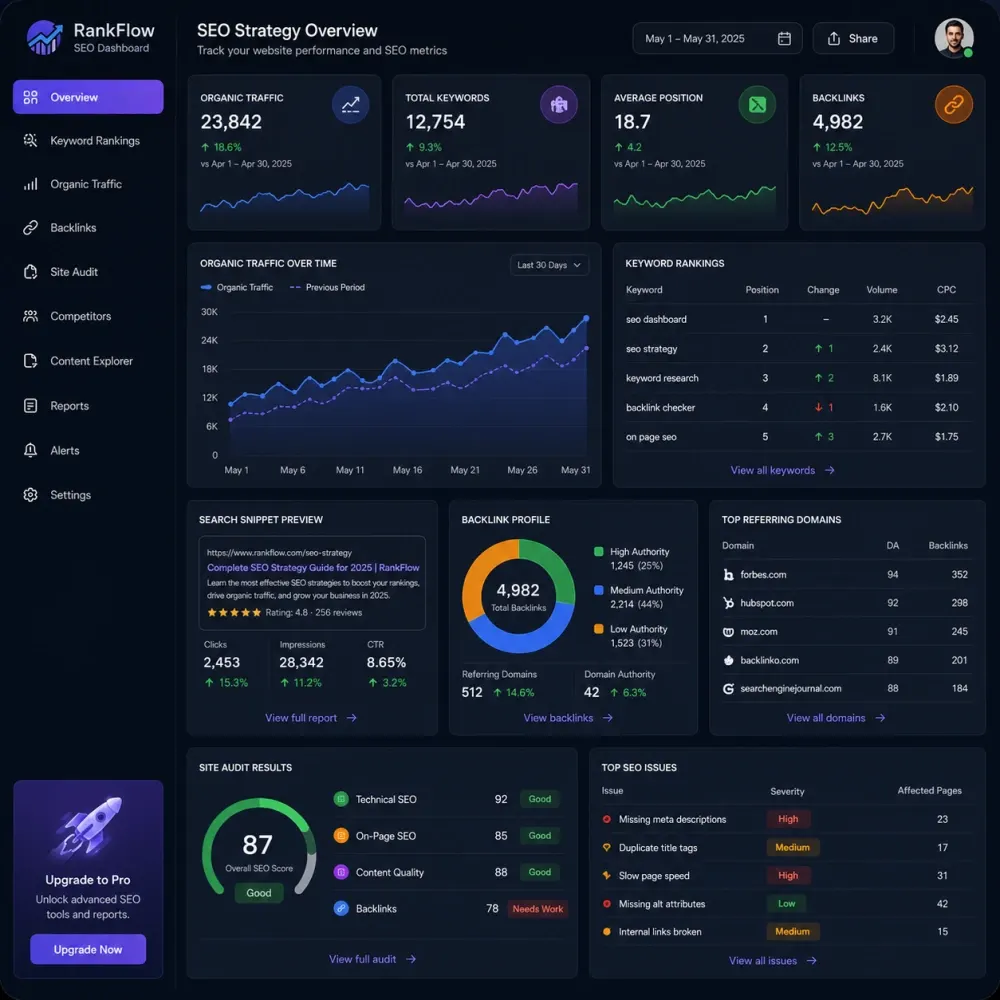
A search strategy built on crawlable pages, clear page purpose, useful content and real search demand.

























Search optimisation is not a single task. It is a connected system of technical decisions, page structure, content quality, internal discovery and ongoing measurement. A page can be perfectly indexable yet fail because it does not answer the search behind it. A helpful article can stay hidden if the site architecture isolates it. A strong service page can lose out when several near-identical URLs compete for the same topic.
Our SEO work begins by deciding what the website should be found for, which existing pages can satisfy those searches, and where technical or content problems are holding performance back. From there we prioritise the work that fits this particular site, instead of running the same checklist for every business.
The aim is a website search engines can process efficiently and people can understand easily: descriptive titles, logical navigation, crawlable content, useful explanations, sensible internal links and pages that match the reason behind the search.
Different sites need different priorities. The services below can be combined into a one-time project or an ongoing monthly plan, once the website, the competition and the commercial goals have been reviewed.
We review crawling, indexation, canonical signals, redirects, sitemaps, duplicate URLs, internal architecture and other technical issues that can keep important pages out of results.
Technical SEOWe identify commercial, informational and long-tail searches, then group related phrases by intent instead of building thin pages for every keyword variation.
Search DemandWe improve titles, headings, copy structure, internal links, metadata and page relevance while keeping the content readable and useful for the person who lands on it.
Page OptimisationWe plan service pages, guides, comparison content, FAQs and supporting resources around real customer questions and genuine gaps in the current website.
Content StrategyWe review category pages, product pages, filters, variants, duplicate URLs, structured data and internal links so a large product catalogue stays understandable.
CommerceWe use search data, crawl findings and conversion information to explain what changed, what still needs attention and where the next useful opportunity may be.
MeasurementA phrase on its own is not a strategy. Someone searching for an SEO provider is weighing up suppliers, while a person searching for how canonical tags work is trying to understand a technical idea. Those two people should not be sent to identical pages just because both searches contain SEO terminology.
Intent tells us which page type belongs where. A commercial query may belong on a service page. A research question may deserve a guide. A comparison search may need a decision-focused page that explains the differences plainly. A branded query should make the official website easy to recognise. Mapping intent before writing keeps the site lean and gives every URL a clearer job.
Automated crawlers can flag thousands of signals, but a long export is not the same as an audit. Some warnings are minor housekeeping. Others can affect hundreds of commercial pages. We separate issues by likely impact, the templates they touch and the effort needed to fix them.
An audit can cover status codes, redirect chains, canonical tags, robots directives, XML sitemaps, duplicate URLs, heading patterns, internal links, thin pages, orphan content, structured data and page-speed concerns. We also check whether the site structure reflects how customers actually search for the business.
The output should answer three questions: what is happening, why it matters, and what should happen next. Where a developer is needed, the recommendation should be specific enough to hand over. Where a page needs editorial work, it should explain what the page is missing rather than just saying “add more content”.
Keyword research shows us the language customers use, the problems they are trying to solve and how crowded each topic is. We look at primary service phrases, supporting searches, questions, comparison terms and long-tail variations that can reveal more specific intent.
A broad keyword with huge search volume is not automatically valuable. It may be too general, dominated by a different kind of page, or disconnected from what the business actually sells. A narrower phrase can be far more useful because the searcher already knows what they need.
Related terms are grouped into themes so the website can answer a topic naturally. We do not build a separate page for every singular, plural or slightly reordered phrase. When several searches describe the same need, one stronger page can cover them together, which also keeps the site easier to navigate.
Keyword mapping connects research to URLs. We compare existing pages against the search themes that matter and look for overlaps, gaps and unnecessary duplication. It is especially useful on websites that have grown without a clear content architecture.
A business might, for example, run separate pages for very similar service phrases even though the content and the user intent are nearly identical. Publishing all of them does not automatically create more search coverage — it can create five weak pages instead of one useful destination.
In other cases, two similar keywords genuinely deserve separate pages because the service, the audience or the decision process is different. We make that call by looking at intent, the search results and what the business offers. The map then becomes a reference for content creation, internal linking and future expansion.
On-page SEO covers the visible and structural signals that explain what a page is about: titles, headings, introductions, internal links, image context, FAQs and body copy all contribute.
We use the primary phrase naturally, but we never work toward a fixed keyword-density formula. A service page that repeats the exact keyword in every paragraph becomes hard to read and may still fail to answer the important questions. Related language, examples and clear definitions usually explain a topic better than repetition alone.
Optimisation might mean rewriting a title, improving the H1, adding missing service detail, reorganising sections, strengthening internal links or removing filler. The best changes depend on what the page already does well. The goal is a page that feels complete to the visitor and unambiguous to search systems, without sounding as if it was written for a crawler.
Technical SEO covers the systems that decide how pages are discovered, rendered, indexed and connected. Common work includes redirects, canonicals, robots rules, sitemaps, JavaScript rendering, status codes, duplicate parameters, HTTPS issues, pagination and template-level problems.
The priority is not technical complexity but technical clarity. A small service site does not need the architecture of a marketplace with millions of URL combinations. We look at the real site and choose recommendations proportionate to its structure.
Large stores and custom applications may need deeper crawl analysis, because filters, user-generated parameters and faceted navigation can create many versions of similar pages. On a smaller WordPress site, the bigger issue may simply be duplicate archives, old URLs or inconsistent canonical handling. Recommendations should fit the platform, not a generic checklist.
Search engines need to discover the pages that matter and receive clear signals about which versions should appear in results. Websites often accumulate tag archives, filter URLs, internal search pages, test pages, duplicate products or older versions that no longer offer unique value.
We review which URLs are meant for search, which should stay accessible only to users, and which may need canonicalisation, noindex handling, consolidation or removal. At the same time, important pages must never be blocked by accident or left without internal links.
The point is not to hide large parts of a website just to shrink a crawl count. Every decision needs a reason. A valuable category page should stay available even if it produces many child products. A thin parameter page may not need independent indexation. Clear indexation makes the site easier to maintain and helps important pages stand out.
Site architecture tells users and crawlers alike how information is related. Important services should be reachable through logical navigation. Supporting articles should link back to the relevant commercial pages. Related products or categories should be linked where that relationship helps the user.
We review navigation, breadcrumbs, orphan pages, contextual links and anchor text. The aim is useful pathways, not turning every sentence into a keyword-rich link. Internal links are strongest when the next page genuinely answers the next question.
Architecture matters for future growth too. If a site is going to add dozens of services, locations or product groups, deciding the hierarchy early prevents inconsistent URLs and duplicated categories later. A clear structure is easier to explain, easier to crawl and easier for the business team to expand.
Content SEO can include service pages, buying guides, tutorials, FAQs, comparison content, resources and articles. We choose topics from user need, search demand and the knowledge the business can genuinely contribute, instead of producing articles only because a keyword tool generated a list.
Existing content often deserves attention before anything new is written. A page may hold useful information but weak organisation. Another may answer the right question under an outdated title. Several short articles may work better combined into one complete guide. Optimisation can mean updating, consolidating, pruning or expanding, depending on the evidence.
Originality matters. Rephrasing what every competing page already says creates little value. Useful content can include first-hand process detail, examples, product specifics, limitations, comparisons, supporting data or explanations drawn from real experience. The right depth depends on the query, not a predetermined word count.
A service page should do more than repeat that the company is professional and reliable. Potential clients want to know what is included, who the service is for, how the process works, what affects price or timing, and what they need to provide.
Service-page optimisation can include keyword mapping, title and heading improvements, richer explanations, related-service links, FAQs, case-study references and appropriate structured data. We also check whether the page overlaps with another service or product URL.
Trust matters most on commercial pages. Contact information, a clear business identity, transparent scope and realistic claims can matter as much to the user as keyword placement. We avoid unsupported “best”, “number one” or guaranteed-result language. A page should earn confidence through useful detail rather than exaggerated adjectives.
Ecommerce sites create search opportunities at several levels. Category pages can answer broad buying intent, product pages can target specific items, and supporting content can help customers compare options or understand technical details.
The challenge is scale. Filters, sorting, variants, tracking parameters and internal search can create thousands of URL combinations. We review which patterns should be indexed, how categories should link to products, how canonical signals are handled, and whether important pages carry enough unique information.
Product descriptions should be accurate and useful rather than copied wholesale from a manufacturer when original information is available. Category copy should support shopping rather than burying products under paragraphs of filler. Structured data can be reviewed for product information, but markup should reflect visible, accurate content instead of inventing values for search features.
WordPress gives site owners control over content, but themes, page builders, plugins and custom post types can create overlapping structures. SEO work may involve permalink patterns, category archives, media handling, sitemap settings, canonical tags, schema output, WooCommerce URLs and performance.
We also look at how the site has evolved. A service might exist as a standard page, a product and a custom post type, all with similar copy. An old builder may leave pages behind after a redesign. Tags may have been generated for years without a clear purpose. Tidying those relationships makes the site easier to manage.
An SEO plugin is useful for editing metadata and technical settings, but installing another plugin is not the answer to every issue. Sometimes the better solution is to simplify templates, remove duplicate functionality or change how content is organised.
Website migrations can affect rankings when URLs change, pages disappear, internal links break or metadata is lost. Migration planning identifies the important URLs before launch and defines what should happen to each of them on the new site.
The work can include old-to-new URL mapping, redirect planning, sitemap updates, canonical checks, internal-link review and post-launch crawling. If an existing page already receives useful organic traffic, the redesign team should know whether it is being kept, consolidated or replaced.
After launch, we can review redirects, indexation, broken links and Search Console signals for unexpected problems. Migration support reduces avoidable mistakes, but no migration can guarantee rankings stay identical, because search systems still reassess the changed website.
Links from other websites can support discovery and reputation, but low-quality link schemes can create more risk than value. We do not treat the number of backlinks as a performance target on its own.
Off-page opportunities can include relevant industry publications, legitimate directories, partnerships, supplier relationships, associations, useful resources and digital PR. The best opportunities depend on the business and the kind of content it can contribute.
Some projects need off-page work early because the site has strong content but limited awareness. Others should first fix technical issues and improve pages that are already receiving impressions. Paid placements, PR distribution and third-party publishing costs are not silently included in monthly SEO fees; they are discussed separately when relevant.
No agency controls ranking algorithms, competitors or how search results change for different users. We therefore do not promise a number-one position, a fixed traffic increase or a guaranteed ranking date.
We also avoid mass-produced location pages, hidden text, automated link networks and other tactics that depend on deception or scale rather than usefulness. Short-term visibility is not valuable if the method leaves the website fragile.
Our responsibility is to identify the problems we can influence, implement the agreed work carefully and explain the evidence behind each recommendation. If a proposed tactic cannot be explained clearly to the client, it probably does not belong in the strategy.
Technical health, intent, content and internal discovery reinforce one another. Improving only one area while ignoring the rest can leave valuable pages underused.
Important URLs are mapped to distinct search needs instead of competing with near-duplicate pages.
Canonical, crawl, sitemap and redirect issues are reviewed so search systems receive more consistent instructions.
Pages answer the questions that matter without adding filler only to reach a target word count.
Search Console, analytics and crawl data help determine what deserves attention next.
We identify priority services, products, audiences and markets before judging the website by technical scores alone.
We review indexation, templates, internal architecture and current organic performance to understand the starting point.
Keywords are grouped by user need and mapped to existing or proposed pages, each with a clear purpose.
Technical fixes, page improvements and content opportunities are ranked so the most meaningful work is handled first.
Agreed on-page, technical and internal-link changes are applied or documented for the relevant team.
Existing pages are improved and new briefs are created only where search demand and user need justify them.
Search data and crawl checks are reviewed after changes so assumptions can be compared with actual behaviour.
The next work cycle follows current evidence instead of repeating tasks simply because they appeared in last month’s plan.
The final deliverables depend on website size, access, platform and whether the work is a one-time project or an ongoing monthly plan.
A look at the reports, checklists and briefs we actually use — rankings, traffic, audits, content plans and competitor views.
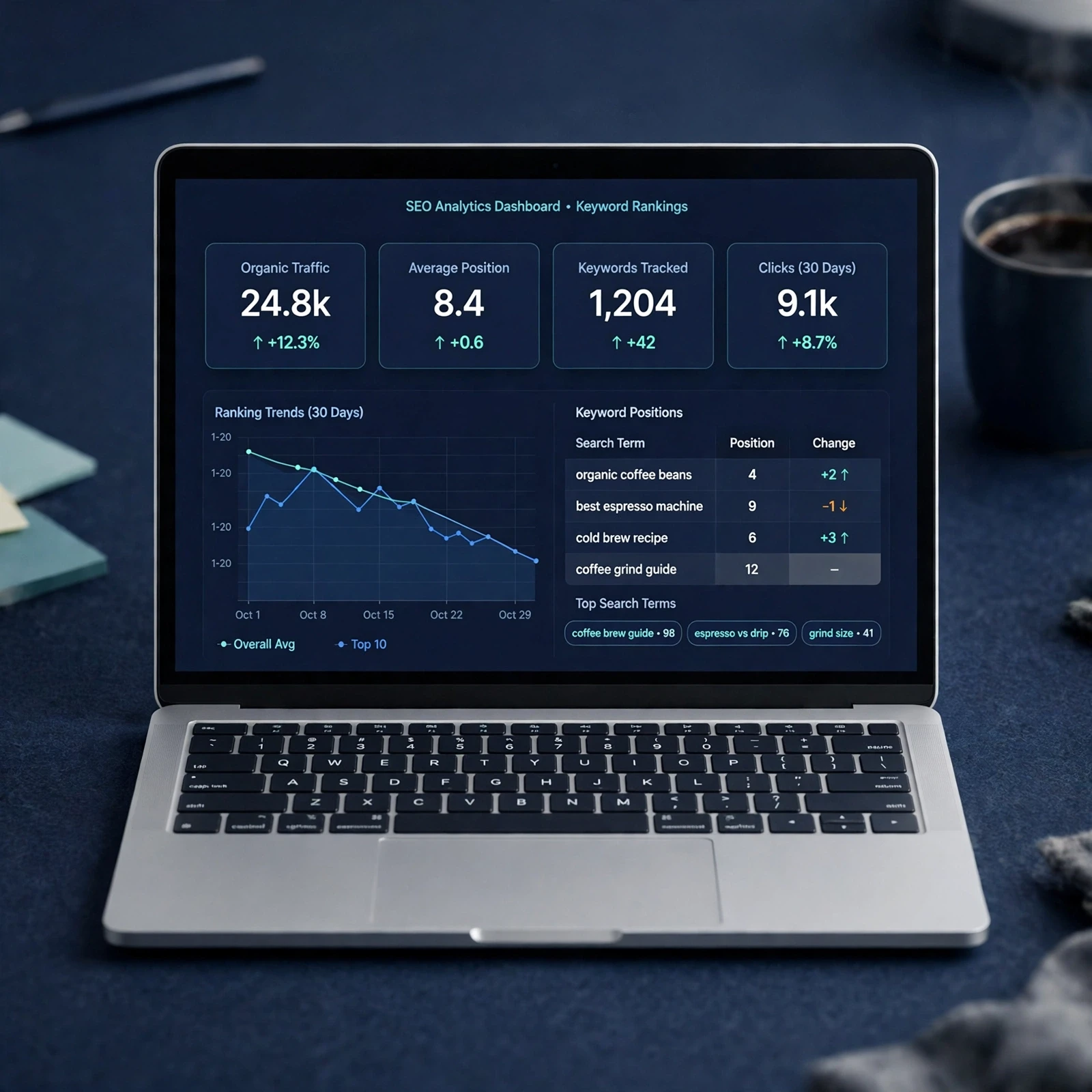

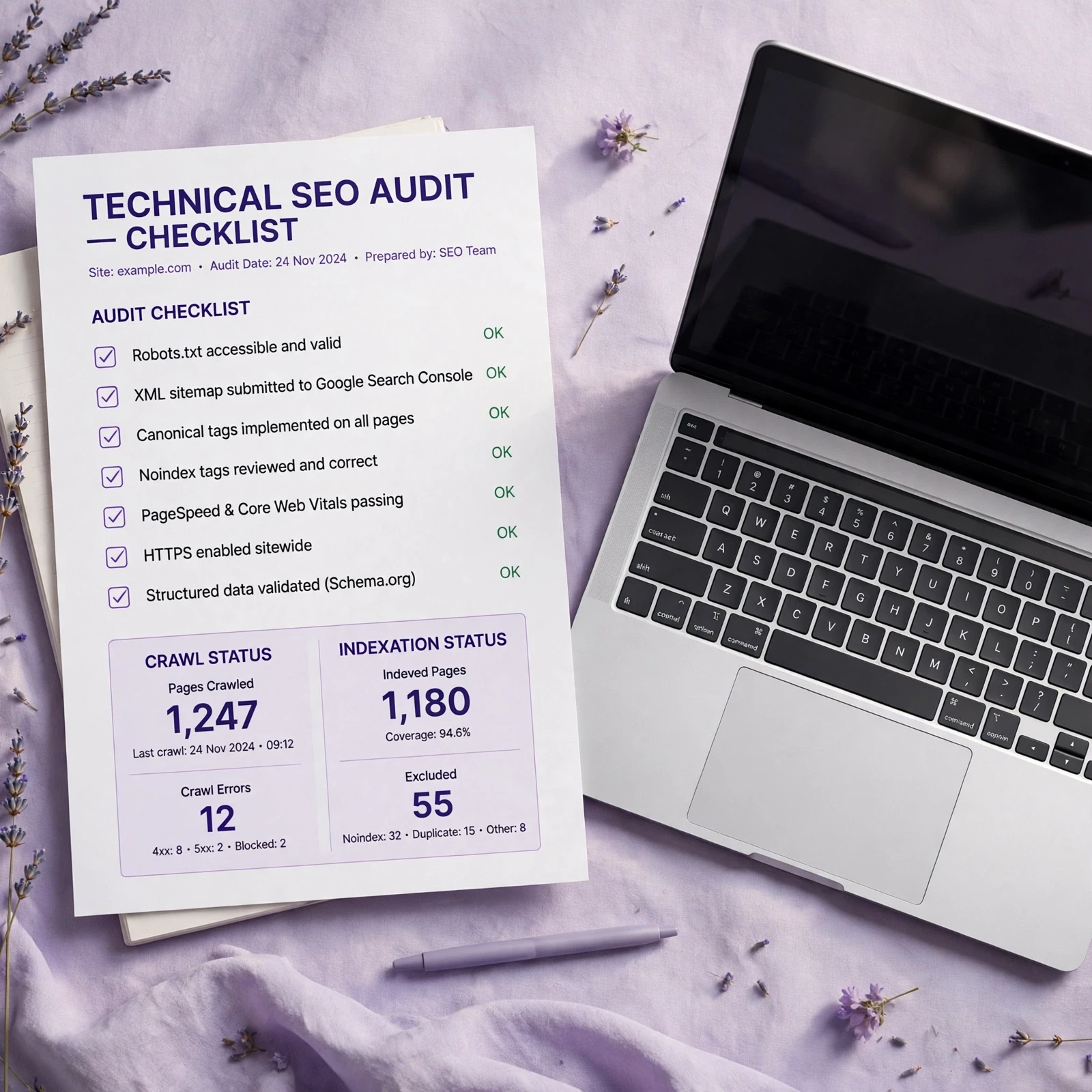



These prices are starting points in USD. The final scope depends on website size, competition, platform, current technical condition, target markets and the amount of content or implementation work required.
For smaller service or business websites that need a clear technical baseline and consistent page optimisation.
For businesses that need technical monitoring, stronger commercial pages and an active content roadmap.
For ecommerce, larger service websites or sites with deeper technical, content and indexation requirements.
One-time services can be useful before a redesign, during a technical cleanup or when an internal team needs research and recommendations to implement itself.
| Service | Starting Price | Typical Scope |
|---|---|---|
| Technical SEO Audit | $399 | Crawl, indexation, redirects, canonicals, sitemap, internal architecture and prioritized findings. |
| Keyword & Intent Map | $249 | Keyword grouping, search-intent research and page-to-topic mapping for a focused website. |
| On-Page SEO — Up to 5 Pages | $349 | Titles, headings, metadata, content structure, internal links and page-level recommendations. |
| SEO Content Brief | $99 / page | Search intent, recommended structure, primary/supporting topics and internal-link direction. |
| WordPress SEO Review | $299 | Indexation, plugin settings, sitemap, archive, canonical and content-structure review. |
| Local SEO Foundation | $349 | Business information, local landing-page review, citations direction and local search recommendations. |
| Ecommerce SEO Audit | $599 | Category, product, filters, duplicate paths, structured data and indexation review. |
Pricing note: SEO fees cover the agreed strategy, analysis and implementation scope. Paid PR, sponsored placements, premium SEO tools purchased specifically for the client, third-party development, large-scale copywriting, translation and advertising spend are separate unless included in the quotation. No package guarantees rankings, traffic or revenue.
Honest answers about scope, timing, pricing and expectations — without promising results that search engines ultimately control.
They can include technical SEO, keyword research, search intent mapping, on-page optimisation, content strategy, internal linking, ecommerce SEO, local SEO, migration support, off-page work and reporting. The right mix depends on the website and the problems it has today.
Our monthly SEO packages currently start at $280 for SEO Foundation, $560 for SEO Growth and $1,120 for SEO Scale. One-time work such as a technical audit starts at $399. Final pricing depends on site size, competition, platform, target markets and implementation requirements.
There is no universal timeline. Technical fixes may be implemented quickly, while search visibility can take longer to change depending on crawl frequency, competition, site history, content quality and many other factors. We measure progress over time instead of promising a fixed ranking date.
No. Search engines control rankings, and results can vary by query, device, location, competition and algorithm changes. We focus on the technical, content and structural factors we can influence rather than selling guaranteed positions.
Useful starting information includes the website URL, priority services or products, target markets, known competitors, previous SEO work and access to Search Console or analytics when available. We can then define the first audit and research priorities.
Share your website, the services or products that matter most and any search problems you already know about. DesignBub can review the current setup and define an SEO scope based on the site rather than a generic checklist.