



















">

Cross-Platform App Development

One codebase, both stores. We build cross-platform apps with Flutter or React Native, so your product reaches iPhone and Android users from a single team — with native-feeling interfaces and honest advice about where native code is still needed.

Flutter & React NativeOne codebase, two stores
Single TeamOne roadmap, one release
Native Where NeededPlugins for device features
Cross-Platform App Development by DesignBub
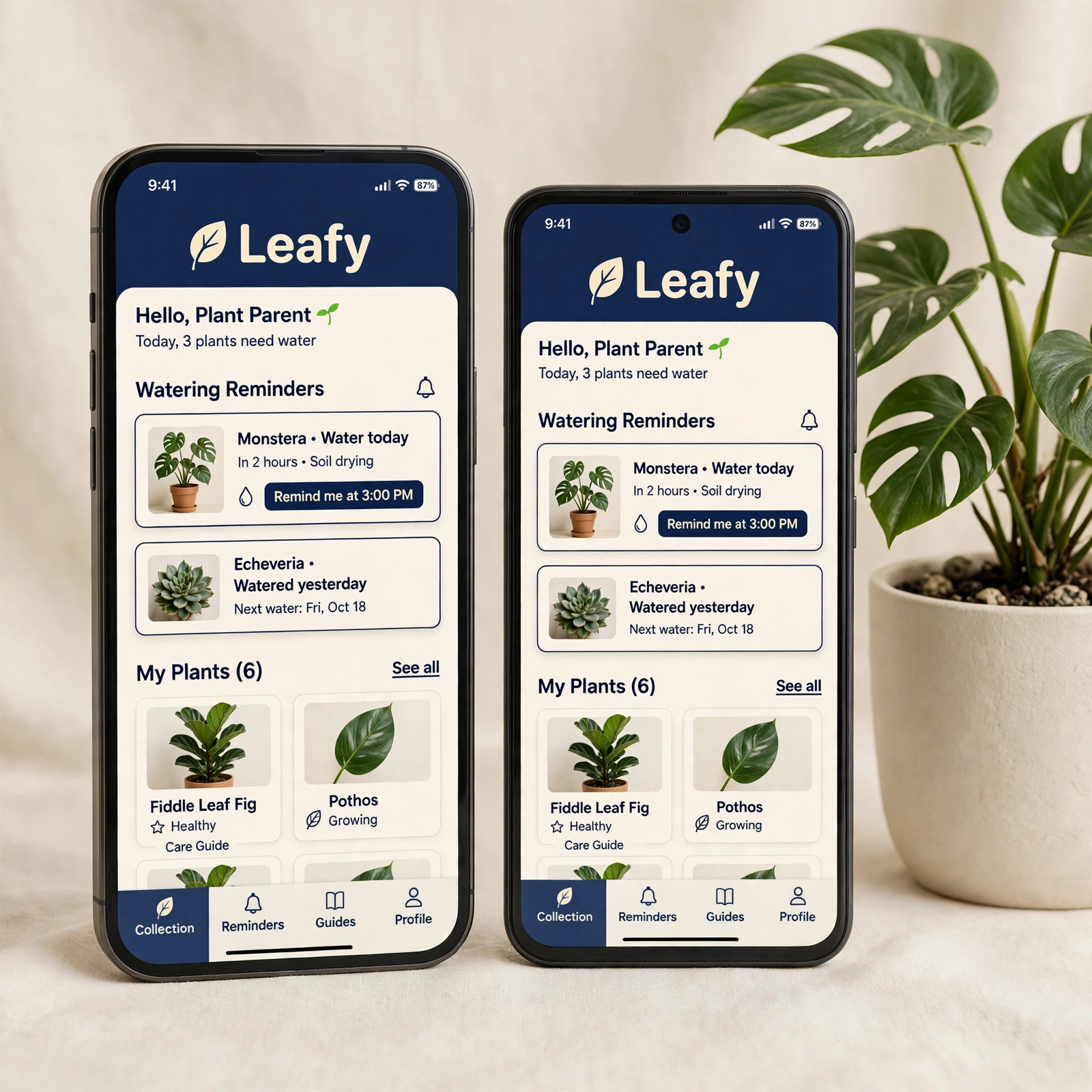
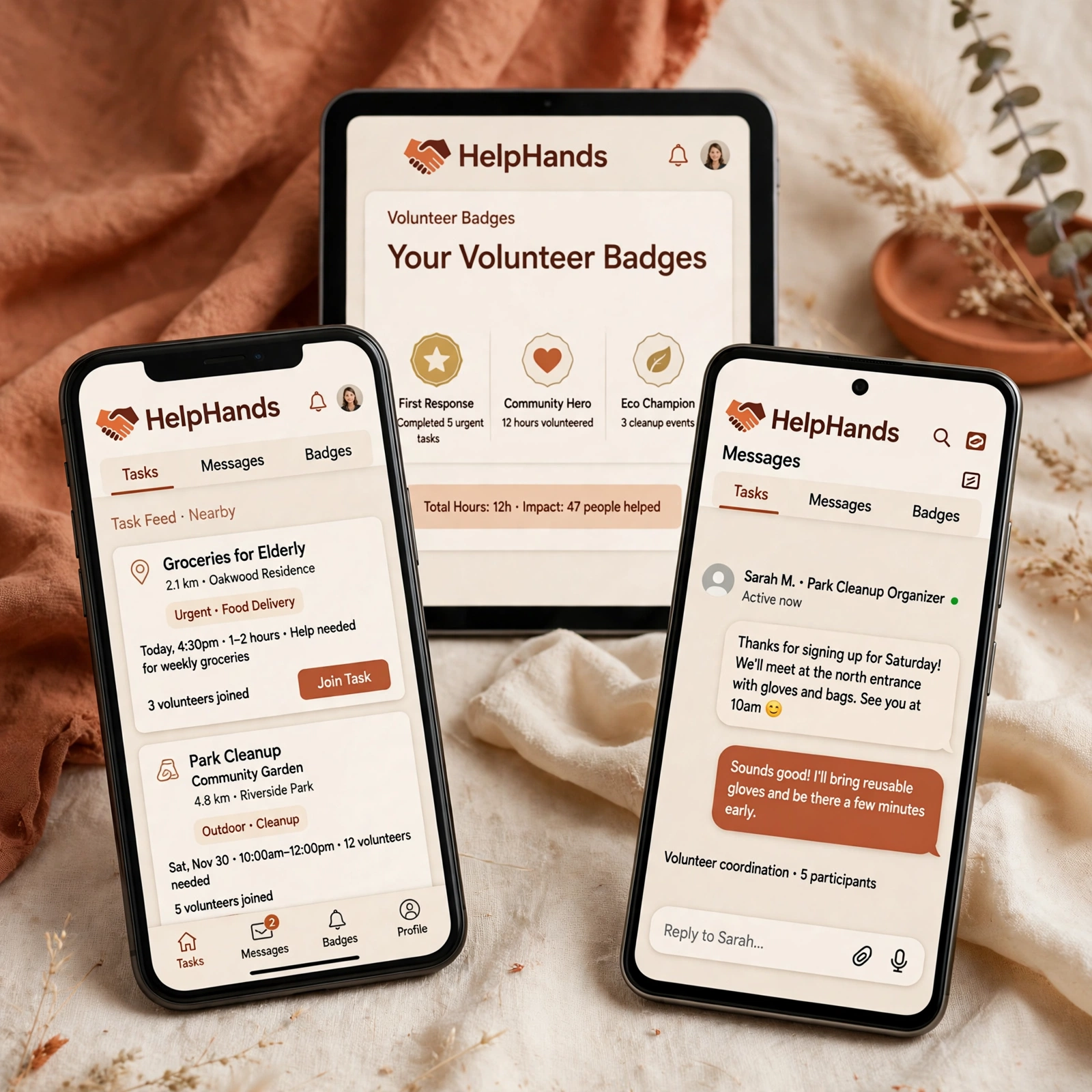
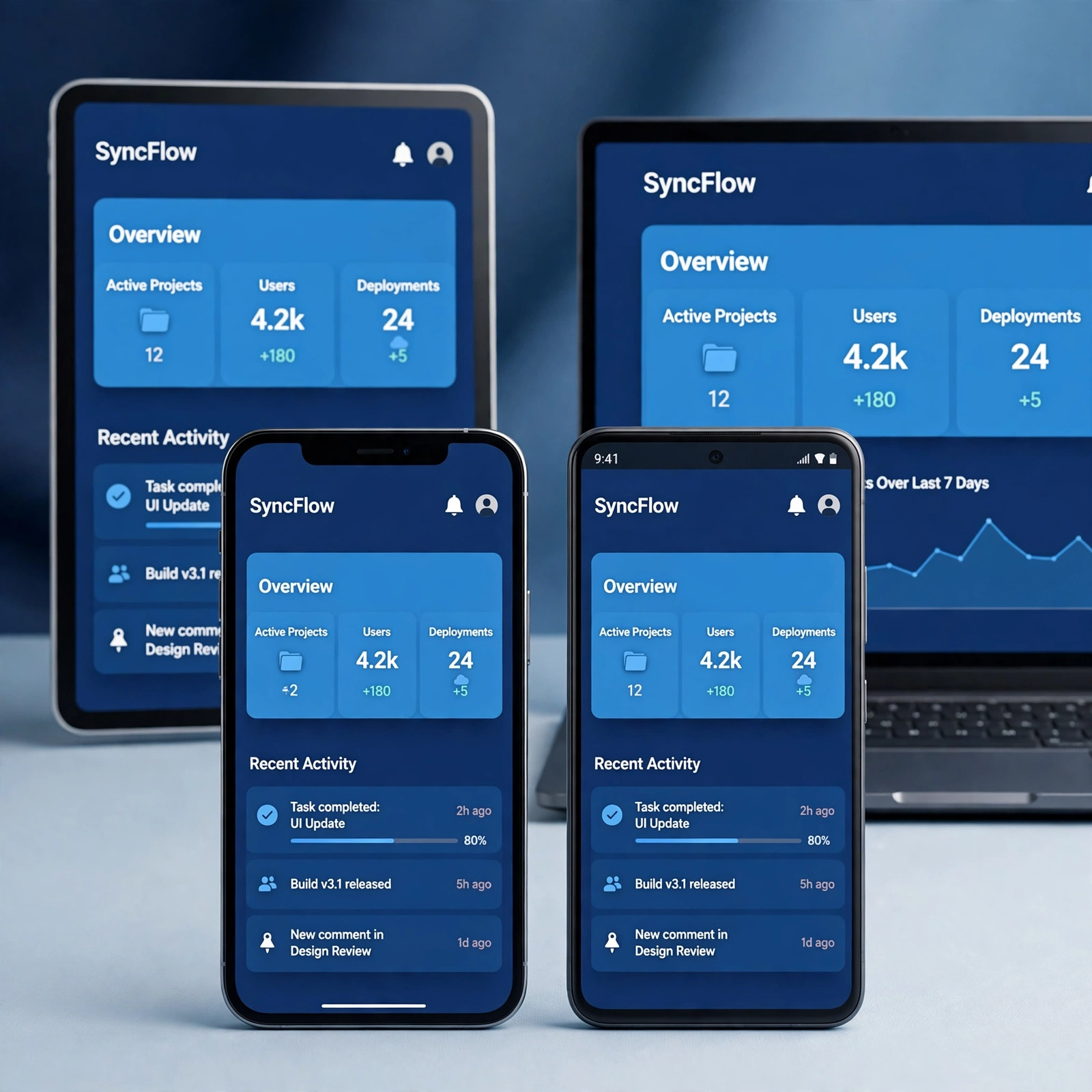
cross-platform apps project preview
Cross-Platform Development

Reach both stores without two separate apps — one shared codebase, one team and one release plan, with platform differences handled deliberately.

Selected Brands & Businesses We Have Designed For
Asset 38 brand logo Asset 4 brand logo Asset 45 brand logo Asset 46 brand logo Asset 47 brand logo Decent Solar logo Dentesthetix logo Gazal Lounge logo GH Landscape logo Asset 38 brand logo Asset 4 brand logo Asset 45 brand logo Asset 46 brand logo Asset 47 brand logo Decent Solar logo Dentesthetix logo Gazal Lounge logo GH Landscape logo
Ghazoor logo Goodluck Trader logo Kingsley logo Lahoris logo MOI logo Naqaa Salt logo Nature Hug logo Netsole logo Ghazoor logo Goodluck Trader logo Kingsley logo Lahoris logo MOI logo Naqaa Salt logo Nature Hug logo Netsole logo
Nexcell Energy logo Roots logo Sheikh logo Shellbee logo Softcore logo Solvac Lifesciences logo Trendex logo Zameenex logo Nexcell Energy logo Roots logo Sheikh logo Shellbee logo Softcore logo Solvac Lifesciences logo Trendex logo Zameenex logo
How REST APIs fits Cross-Platform App Development

What you get with Cross-Platform App Development

A cross-platform app that nobody can operate is a liability, not an asset. We give the admin side the same attention as the app your customers see, so your team can update content, manage users on both iOS and Android, and check what is happening without waiting on a developer. Handing the app over properly — store accounts, code, docs, a walkthrough — is built into the project from the start, not squeezed in at the end.

We do not hand over cross-platform app and disappear. Once the app is live on both stores and real users start tapping through it, the genuine questions arrive — and we stay around to answer them. Releasing to the App Store and Google Play is when your app starts its real life, and our support starts there too, not ends.

We start Cross-Platform App Development by watching the current process, not by reading a brief about it. The brief describes how people think they use their phones; watching them shows the one-handed scrolling, the interrupted sessions and the shortcuts they actually take. The difference between the two is usually where the real app requirements hide.

Cross-Platform App Development projects fail most often on handover, not on code. So handover is planned in: documentation your team can follow, a walkthrough of the shared codebase, and a window afterwards when we are still there for questions. The cross-platform app should feel like yours on day one.

How Cross-Platform App Development is built

Cross-Platform App Development that fits the way you work

A cross-platform app is only as good as its data. Before any screen is drawn, we settle where the app's data comes from, how it is checked, and what the app shows when a connection drops or a record is wrong. Bad data in means a bad app out — it is a genuine project risk, not a saying.

The cross-platform app your users will actually use

Dart is where most of the visible work happens, and JavaScript is where the decisions get made. We keep the shared business logic and the screens close together, so a change to a workflow reaches both iPhone and Android at once instead of taking a week. That closeness is what makes Cross-Platform App Development feel responsive instead of rigid.

The best compliment a cross-platform app can get is silence: users who simply get their work done and move on. That is what we aim for: an app that fades into the task — booking, ordering, checking — instead of demanding attention for itself.
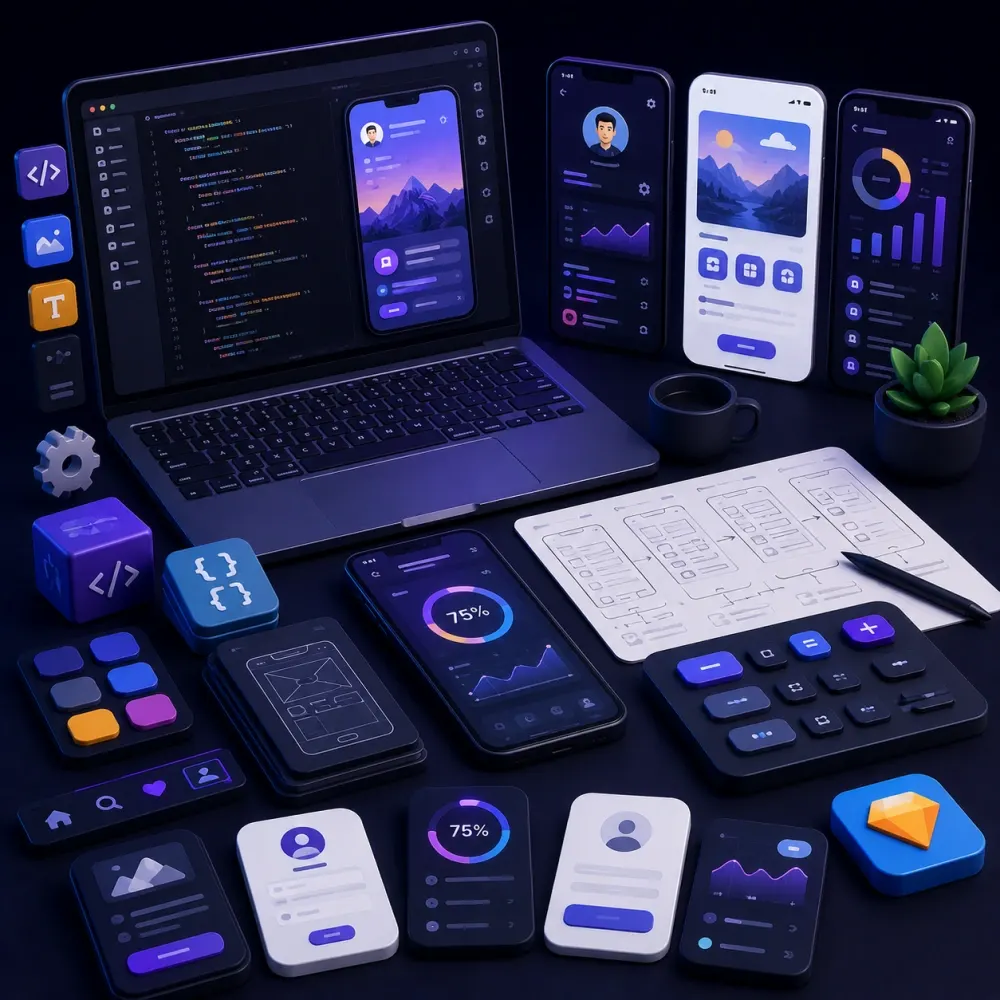

The everyday work of Cross-Platform App Development

We are honest about what Cross-Platform App Development cannot do. If a requested feature does not fit a one-codebase app — say, something that only works on one platform — we say so and suggest the version that works everywhere. A cross-platform app that promises everything delivers nothing.

A cross-platform app built without testing is a guess. We test Cross-Platform App Development with real people doing real tasks, and we fix what we find. We test on real iPhones and Android phones throughout the build, not in a final rush before submission.

Why Dart matters here

If a lowest-common-denominator experience is the risk you are worried about, say so early. We would rather design around a known risk than discover it in testing, and most risks in Cross-Platform App Development have a boring, proven answer once they are named.

Every cross-platform app we build starts with the people who will use it. We map what your users are trying to do, what frustrates them, and the workarounds they have already invented on their phones, because that is where the real requirements live. The result is cross-platform apps shaped by actual work, not by a feature list copied from a competitor.

How Cross-Platform App Development grows with you

The interface of cross-platform app should make the right action obvious and the wrong action hard. We think carefully about defaults, confirmations and destructive actions in Cross-Platform App Development, because a misclick should never be a disaster.

The scope of Cross-Platform App Development is written down and agreed before we start. It spells out which screens, platforms and integrations are included, which are not, and what happens if you ask for more. That written scope protects your budget and our build alike, and we treat it as a real agreement.

iOS and Android mobile app development
Cross-Platform App Development for your team

What good cross-platform app changes for your team

A cross-platform app that is hard to change is a cross-platform app that will be replaced. We build Cross-Platform App Development so that new fields, new steps and new reports are small changes, not projects. Your business will change — new services, new offers, new ways of serving customers — and one shared codebase should make keeping up easier, not harder.

The first release of a cross-platform app is a question, not a statement. The question we keep asking is simple: does this app solve the problem well enough that someone keeps it on their phone? We build it so the answer is easy to read — in shared-code percentage, in usage, in what users say — and then we act on it.

  • Both stores from one codebase
  • One team, one roadmap, one release
  • Faster first release than two native apps
  • Fixes land on both platforms at once
React Native mobile application development
The Flutter view of Cross-Platform App Development

What we check before cross-platform app goes live

The handover for Cross-Platform App Development includes a walkthrough with your team, written documentation, and a period where we answer questions. We do not consider the project finished until your team is comfortable running the cross-platform app alone.

Data is the quiet part of Cross-Platform App Development. Where the app's data comes from, how it is checked, and who can see it — we settle those rules early, write them down, and test them on both platforms. A cross-platform app built on messy data will stay messy.

  • Native modules where device features need them
  • Platform conventions respected, not ignored
  • One backend serving both apps
  • Source code handed over to you
Cross-Platform App Development explained

What your Cross-Platform App Development project includes

We would rather tell you that Cross-Platform App Development is not the right move than sell you something you do not need. If a simple mobile website or an off-the-shelf app would do the job, we will tell you before you pay for a custom build. Clients come back because we would rather lose a project than sell them an app they do not need.

01

Flutter Development

One Dart codebase for iOS and Android, with a consistent, custom-designed interface.

Flutter
02

React Native Development

JavaScript-based apps for teams that want to reuse web skills and code.

React Native
03

Shared Codebase

Business logic written once and used on both platforms, so fixes land everywhere.

Shared
04

Platform-Specific Polish

iOS and Android details handled deliberately — navigation, permissions, share sheets.

Polish
05

Native Modules

Swift or Kotlin modules where a device feature needs true native code.

Native
06

Single Release Process

One roadmap and one release cycle for both stores, with staged rollouts.

Release
07

Backend & APIs

One backend serving both apps, with accounts, data and integrations included.

Backend
08

Store Submission

App Store and Play Store listings, screenshots and review preparation for both.

Stores
09

Ongoing Maintenance

One team keeping both apps updated as iOS and Android change.

Support
Cross-Platform App Development, step by step

The parts of Cross-Platform App Development people forget

We treat Cross-Platform App Development as a long relationship, not a one-off delivery. After launch, we stay available for fixes, small changes and the next release, because an app that is never updated quietly falls behind both stores' rules and its users.

The cost of Cross-Platform App Development is decided by scope, not by hourly mystery. Before we build, we agree the screens, the platforms, the price and the stages, so nothing unexpected appears halfway through. If you ask for extra screens or another integration later, we talk through the cost first rather than letting it appear on an invoice.

The details behind cross-platform app

We have seen Cross-Platform App Development projects go wrong in the same few ways, and an app that feels wrong on both platforms is near the top of the list. We catch problems early: a review of the plan before coding, a check on real devices mid-build, and a full test on iPhone and Android before launch.

JavaScript and Flutter do different jobs in Cross-Platform App Development, and we keep them separate. The screens are for people tapping on phones; the backend is for the data behind them. When the two are tangled together, every small change costs twice — once for each platform. When they are clean, the cross-platform app can grow.

Where an app that feels wrong on both platforms is handled

How Cross-Platform App Development works in practice

The second release of cross-platform app is where Cross-Platform App Development starts to pay. The first release proves people want the app; the second release fixes what real use on real phones revealed. We plan for that second release from the start, so it is a small update through both stores, not a rebuild.

We keep the number of tools in Cross-Platform App Development small. React Native, Dart, JavaScript — each chosen because it fits this cross-platform app, each one we can support properly. A long list of tools and services is a long list of things that can break on one phone or the other.

The workflow Cross-Platform App Development supports

We do not invent features for cross-platform apps to fill a page. Every feature we suggest answers something your users actually do on their phones, and we can name that task. If a feature does not connect to something a real user does in the app, we leave it out.

Security and privacy are designed into Cross-Platform App Development from the first week, not audited in the last. Access is limited to who needs it, personal data is handled carefully, and the unglamorous safeguards — backups, logs, updates — are in place before launch, not after a scare.

React Native and Dart in Cross-Platform App Development

Products we build with Cross-Platform App Development

Communication is part of Cross-Platform App Development, not a layer on top of it. You get one named contact, a plain plan, and review sessions where your feedback actually shapes the next build. Surprises are bad in an app project; the only welcome one is your app reaching both stores sooner than expected.

Ecommerce Apps

One storefront app for both platforms, with cart, checkout and order tracking.

Booking Apps

Appointments and reservations on iPhone and Android from a single codebase.

Fitness Apps

Workouts, goals and streaks that reach every user, whichever phone they own.

Food Delivery Apps

Ordering, tracking and rider updates for both stores at once.

Learning Apps

Lessons and progress that follow the student across phone and tablet.

Finance Apps

Accounts and alerts on both platforms, with biometric sign-in each side.

Community Apps

Groups and messaging for audiences split across iPhone and Android.

On-Demand Apps

Customer and provider apps built from one shared product plan.

Cross-Platform App Development overview

The cross-platform app your users will actually notice

We measure the success of Cross-Platform App Development in shared-code percentage. If that number improves, the cross-platform app is working. If the app does not do that, we find out why and fix it. That is what the app is for, at the end of the day.

Firebase handles the front of the cross-platform app, REST APIs the back, and Flutter keeps the data honest. Each has a job, and each is chosen because it fits this particular cross-platform app, not because it is fashionable this year. For an app that must run reliably on hundreds of different phones, proven technology is usually the right call.

Why Cross-Platform App Development starts with questions

Users forgive a cross-platform app that is plain, but they do not forgive one that is confusing. Clarity comes first in Cross-Platform App Development: clear labels, clear next steps, clear errors. First the app has to be easy to use on a small screen; the visual polish comes once the flow is genuinely clear.

How Cross-Platform App Development handles the hard parts

We review Cross-Platform App Development with you at every stage, not just at the end. You see the designs before they are built, the build on a real phone before it goes to the stores, and the store listings before anything is announced. There are no grand unveilings — just steady progress you can try on your own phone.

The practical side of Cross-Platform App Development

Our Cross-Platform App Development process, step by step

Support for Cross-Platform App Development does not end at launch. We offer ongoing help — fixes, small changes, the next release — because a cross-platform app that is never updated quietly becomes a risk.

01

Discovery

We review who the app is for, which platform differences matter, and whether cross-platform fits.

02

Feature Scope

Core features and first-release priorities are separated from later roadmap ideas.

03

User Flows

Key journeys are mapped once, with platform-specific details noted where they differ.

04

UI & Prototype

One interface system is designed, then checked against iOS and Android conventions.

05

Architecture

Shared code, native modules, backend and services are planned around the approved scope.

06

Development

The app is built in reviewable stages, tested on both iPhone and Android.

07

Testing

Both platforms are tested on real devices, including permissions and store policies.

08

Launch

Both store listings are prepared and the builds are submitted together.

09

Improve

Usage on both platforms decides what the next release should contain.

Cross-Platform App Development for users on both iPhone and Android

One of the quiet risks in Cross-Platform App Development is platform features that need native code. We design for slow connections, small screens and older phones from the start, because fixing those after launch costs far more than preventing them. Small decisions early — in structure, in access, in data — are what keep a cross-platform app reliable.

A good cross-platform app respects the user's time. Screens load quickly even on a weak connection, forms ask for only what is needed, and the next step is always obvious on a phone. We strip taps out of signing up or checking out, because every extra tap on a phone is a chance to lose someone.

JavaScript and the data behind Cross-Platform App Development

React Native and Dart are the tools we reach for most on Cross-Platform App Development projects, but the tool is never the point. What matters is whether the cross-platform app does the job your team needs it to do, every day, without fuss. We only choose the shared-codebase technology once we understand what the app must do on both platforms — never before.

We bring users on both iPhone and Android into the design of Cross-Platform App Development early. A short conversation with someone who will actually use the app is worth more than a month of guessing, and it usually changes the plan for the better.

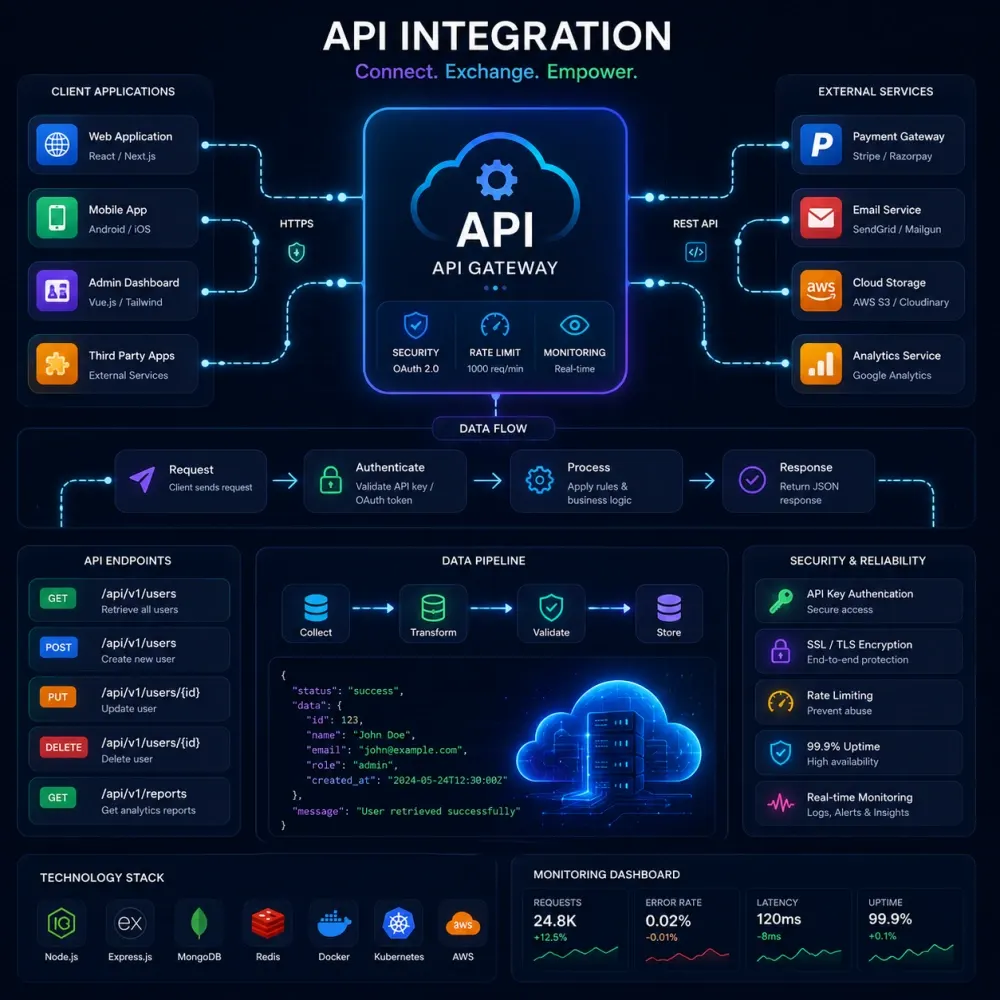
The role of REST APIs in Cross-Platform App Development

The fastest way to waste money on Cross-Platform App Development is to build everything at once. We separate the core — the one journey that must work on both phones on day one — from the features that can wait, and we prove the core first. That is how shared-code percentage improves without the budget disappearing into nice-to-haves.

The first week of Cross-Platform App Development is the most important. We spend the first stretch understanding the problem, the people who will use the app, and the limits of both platforms — before any code is written. A week spent understanding the app properly saves a month of rebuilding it for the other platform later.

The cross-platform app your customers remember

We build Cross-Platform App Development so that a faster first release is not a hope but a result you can check. We agree the goal up front, track it as the app takes shape, and review it honestly once it is live on both stores. That is how an app build becomes a product people keep on their phones.

Good Cross-Platform App Development is mostly invisible. The screens stay clear, the steps stay few, and nothing demands attention unless the user genuinely needs to act. When an app works well, people barely notice it — they notice it only when it crashes or a screen will not load.

Cross-Platform App Development at a glance

Cross-Platform App Development that your team can run

We test Cross-Platform App Development with real tasks, not with a checklist of features. Can someone new to the app finish the main task — booking, ordering, signing up — without anyone showing them how? Can your team answer the everyday questions — how to reset an account, how to update a listing — without ringing us? Those are the tests an app has to pass.

Your audience is users on both iPhone and Android, and they will judge the cross-platform app in the first minute. If the first thing someone does in the app feels easy, they stay; if it confuses them, they delete it and never tell you why. So we test that first task on real phones before we polish anything else.

We build Cross-Platform App Development in short cycles so you see progress every week. A working app on a real phone, with real screens and real data — not a slide deck promising what might arrive next month. If something feels off on one phone or the other, we find out within days, not at the final handover.

Why Cross-Platform App Development

The cross-platform app that does not get in the way

What looks simple in a cross-platform app is usually the hardest part to get right: the empty state, the error message, the moment something goes wrong. A first launch, a failed payment, a lost connection — we shape those small moments with care, because that is when people decide whether to trust your app.

We keep the cross-platform app fast. A slow screen on a phone loses people fast, and no amount of polish makes up for an app that keeps them waiting. Performance is planned into Cross-Platform App Development from the first week, not bolted on at the end.

We write documentation for Cross-Platform App Development that a new team member can actually follow. Setup, data, deployments, common tasks — all written down, because a cross-platform app that only one person understands is a risk to your business.

Why time to both stores matters

The questions that shape Cross-Platform App Development

We document Cross-Platform App Development as we go, not at the end when everyone has forgotten the details. Decisions, trade-offs and setup steps — all written down while they are fresh, so the next developer is never guessing. Your future team will thank you.

shared-code percentage is the number we watch most closely on Cross-Platform App Development projects, because it tells us whether the cross-platform app is actually being used. A beautiful app that nobody opens is a failure, however polished its screens look.

How JavaScript supports the team

We keep Cross-Platform App Development projects small enough to steer. We work in short rounds with a build you can try on your own phone after each one, so a change your users ask for lands in days rather than months. Trying to launch every feature on both platforms in one giant release is how app budgets disappear without a working product to show for it.

Keeping Cross-Platform App Development simple to run

Every cross-platform app we ship is tested on the devices and browsers your users actually have, not on the newest hardware in our office. Real phone use is messy: patchy signal, interrupted sessions, older devices. The app has to cope with all of that, not just the tidy demo path.

What time to both stores tells us

The admin side of cross-platform app gets the same attention as the customer side. Your team needs to update content, manage users and see what is happening across both platforms — without waiting for a developer. A cross-platform app you cannot operate is a cross-platform app you do not own.

What React Native handles in Cross-Platform App Development

We plan Cross-Platform App Development around shared-code percentage as much as around features. If downloads, sign-ups or repeat use do not improve after a change, we tell you the change did not work instead of dressing it up. Measuring sign-ups, retention and drop-off honestly is how an app keeps getting better after launch.

Cross-Platform App Development with REST APIs

The tangible results of Cross-Platform App Development

JavaScript for the front end

The cross-platform app we deliver is tested, documented and deployable. It is not a clickable mock-up dressed up as an app. It is a working app, ready for real people to install from both stores.

The first version of cross-platform app is deliberately small. The first release handles the core job well — one clear journey, working on both platforms — and gives us real usage to learn from. What we add next is decided by how people actually use the app, not by a wish list drawn up before anyone tried it.

The cross-platform app that respects your users' time

The users of cross-platform app are users on both iPhone and Android, and they have better things to do than learn your software. We design so the first thing someone does in the app takes minutes, not a training session. If the app needs a manual, we have made it too complicated.

We measure Cross-Platform App Development by time to both stores and shared-code percentage, not by how many screens we shipped. Numbers that improve mean the cross-platform app is doing its job; numbers that do not tell us what to fix next. Each release answers one question — did sign-ups rise, did drop-off fall? — and the answer shapes what we build next.

Product Discovery
Shared User Flows
Cross-Platform UI
Flutter or React Native Build
Native Modules
Backend & APIs
Both Store Listings
Test Builds
Release Plan
Documentation
Source Code
Launch Checklist
App Development Pricing

Starting packages for MVPs and custom mobile apps.

These USD packages are a practical starting point for an app on both iPhone and Android. We confirm the final price once we have reviewed your features, user roles, integrations and technical requirements.

MVP Starter

Focused First Release

$1,499starting at

For a focused first app — one clear journey, working the same on iPhone and Android.

  • One shared build for iOS and Android
  • Up to eight core app screens
  • One main user role
  • Mobile interface and experience design
  • Basic sign-in and backend
  • One third-party integration included
  • Testing and help with both store submissions
Choose MVP Starter →
Advanced Build

Custom App Platform

$6,999starting at

For multi-role apps, marketplaces and products whose business logic is more involved.

  • iOS and Android app from one codebase
  • Up to thirty core app screens
  • Several user roles with permissions
  • Bespoke backend and admin system
  • Up to five third-party integrations
  • Advanced workflows and notification flows
  • Quality checks, launch support and technical handover
Discuss Custom Platform →

Prices are starting design and development fees in USD. App Store and Google Play accounts, hosting, paid APIs, third-party subscriptions, payment-provider fees, licensed assets and ongoing maintenance are not included unless your quotation says so. Complex marketplaces, real-time systems, AI-heavy products and extra features are quoted after a technical review.

Inside Cross-Platform App Development

The standards we hold Cross-Platform App Development to

A cross-platform app built for users on both iPhone and Android should feel like it was made for them, not adapted from someone else's product. We shape each flow around what your users are actually trying to do on their phones, which is why the result looks different from a generic template app.

Errors in cross-platform app should be helpful, not cryptic. We write error messages that say plainly what went wrong and what to try next, because a user who knows what to do is a user who stays.

Flutter keeps the data behind Cross-Platform App Development honest. It is not the showy part of an app project, but it decides whether your figures are true and your users' details stay safe.

Cross-Platform App Development for users on both iPhone and Android

Cross-Platform App Development: answers to the usual questions

A cross-platform app that works for users on both iPhone and Android has to work on a bad connection, on an old phone, in a hurry. We design for the moment a user is standing in a queue with one hand free, not for the polished demo where everything goes right. An app proves itself in real life — a bus, a weak signal, a cracked screen — not in a staged walkthrough.

For most products, yes. Flutter and React Native handle everyday apps beautifully. Where a product needs deep device features — advanced camera work, Bluetooth, heavy graphics — native code or a native plugin is the honest answer, and we will tell you before we start.

Flutter suits products that want a consistent, custom-designed interface on both platforms. React Native suits teams that already use JavaScript or need to reuse web code. We recommend after scoping, not before.

It will feel consistent with your brand, and correct on each platform. We respect platform conventions — back navigation, share sheets, permissions — instead of forcing one platform behaviour onto the other.

Typically most of the business logic and interface code is shared, with small platform-specific parts for payments, notifications and device features. We measure and report the real share, not a marketing number.

Yes. A well-built cross-platform app can grow native modules over time, and the backend, designs and accounts are yours either way. You are not locked in.

One app, both stores — without two separate builds.

If your users are split across iPhone and Android, a cross-platform app gets you to both of them faster and cheaper. Tell us what the product should do and we will tell you honestly whether Flutter, React Native or native is the right call.

WhatsApp DesignBubChat with us now