">

Mascot Design Services

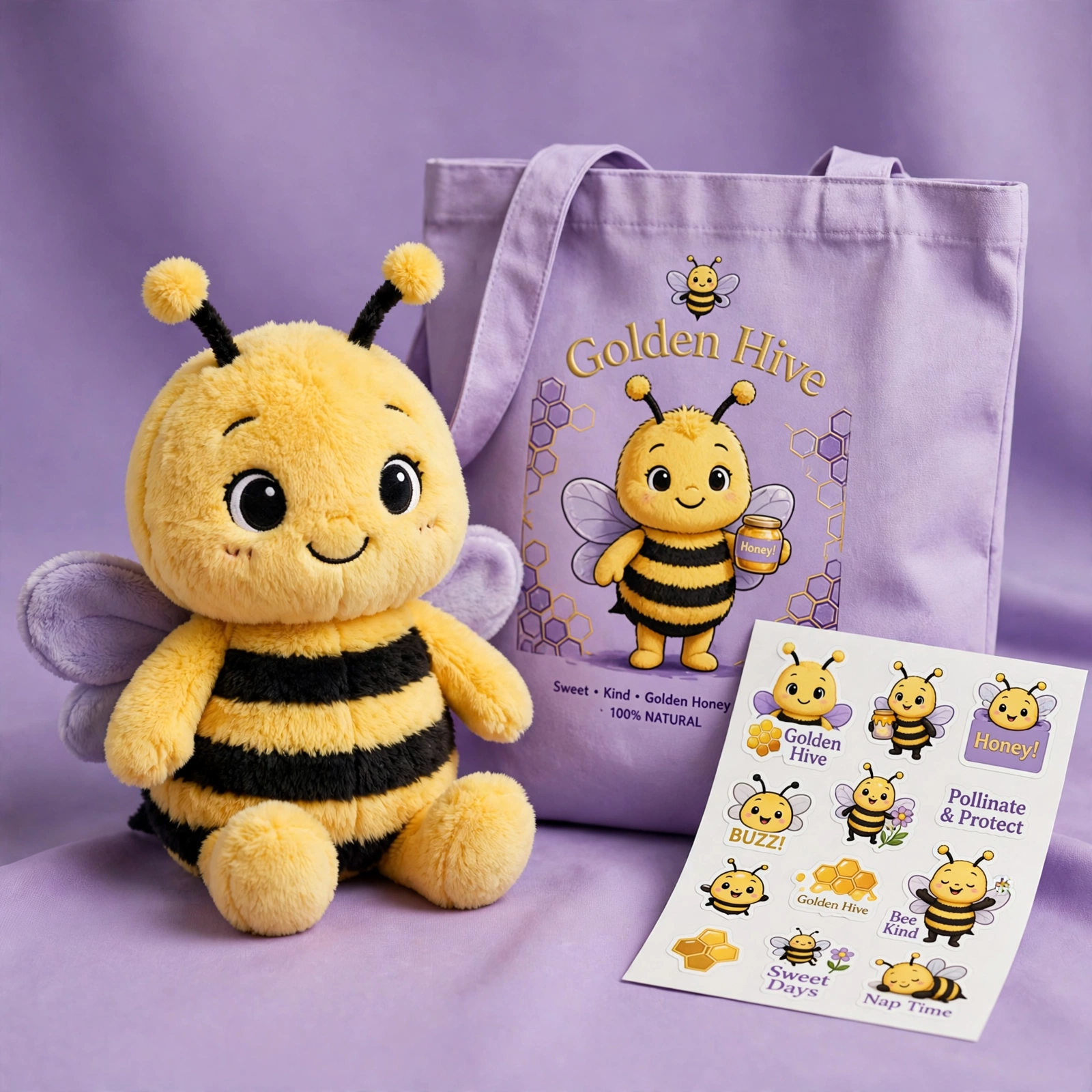
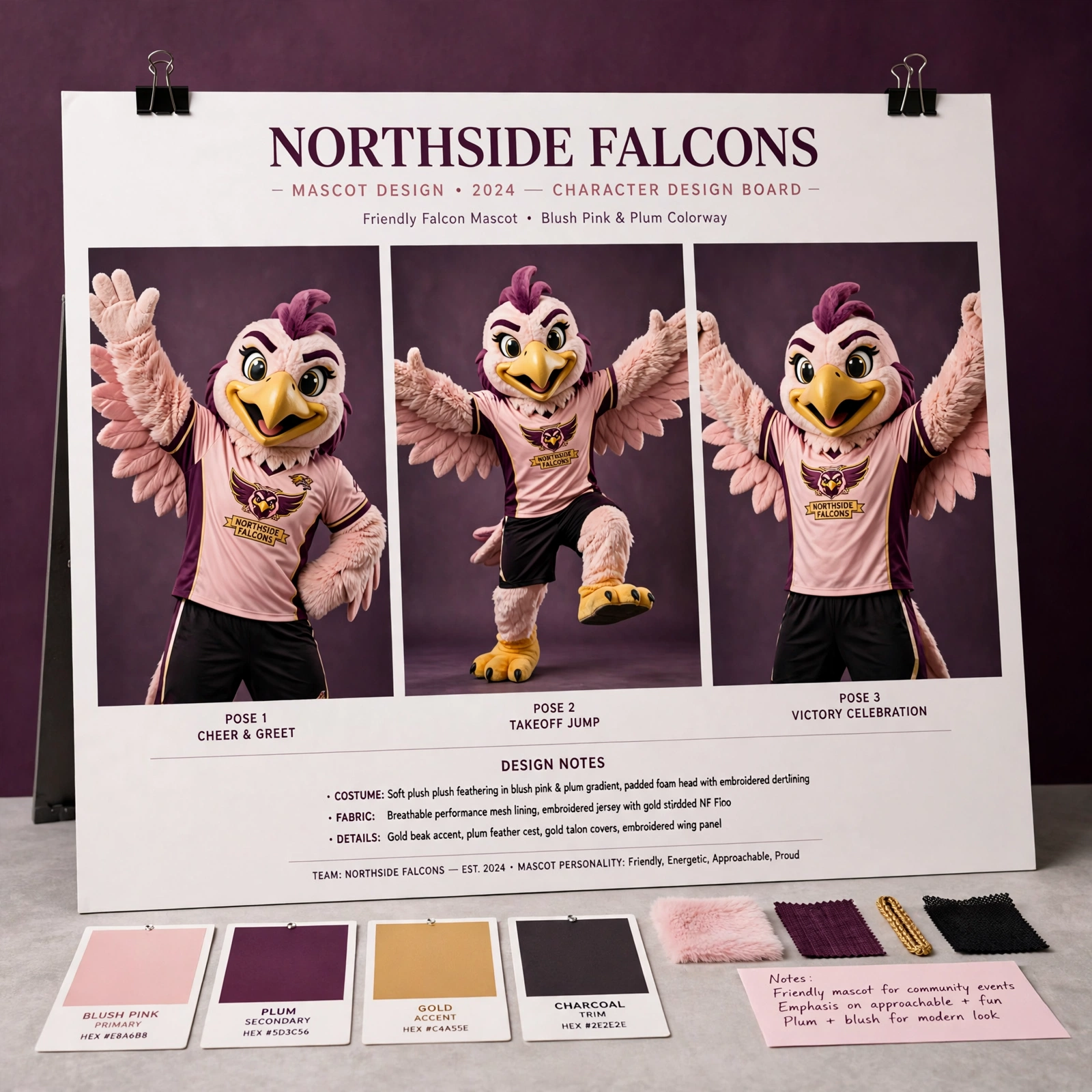
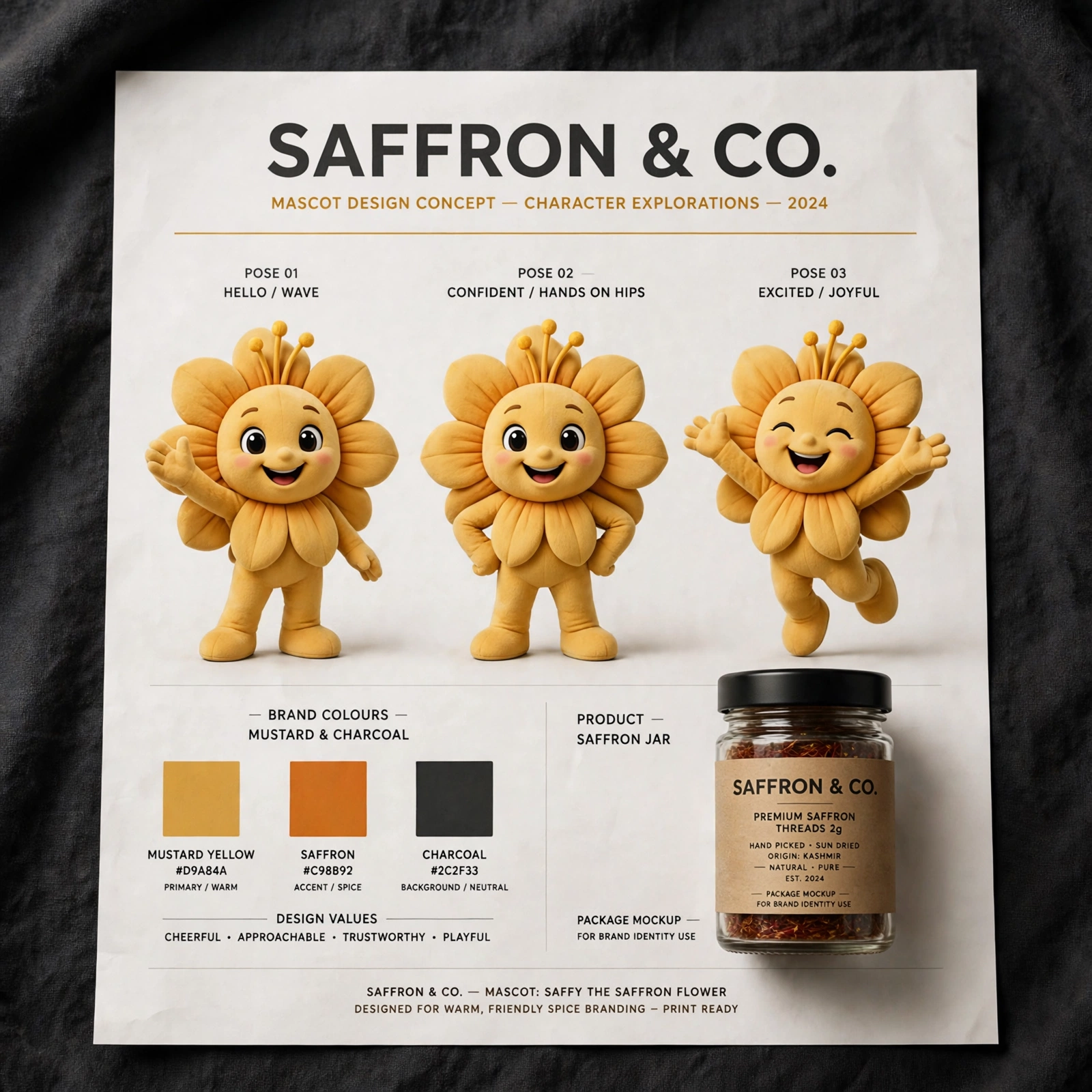
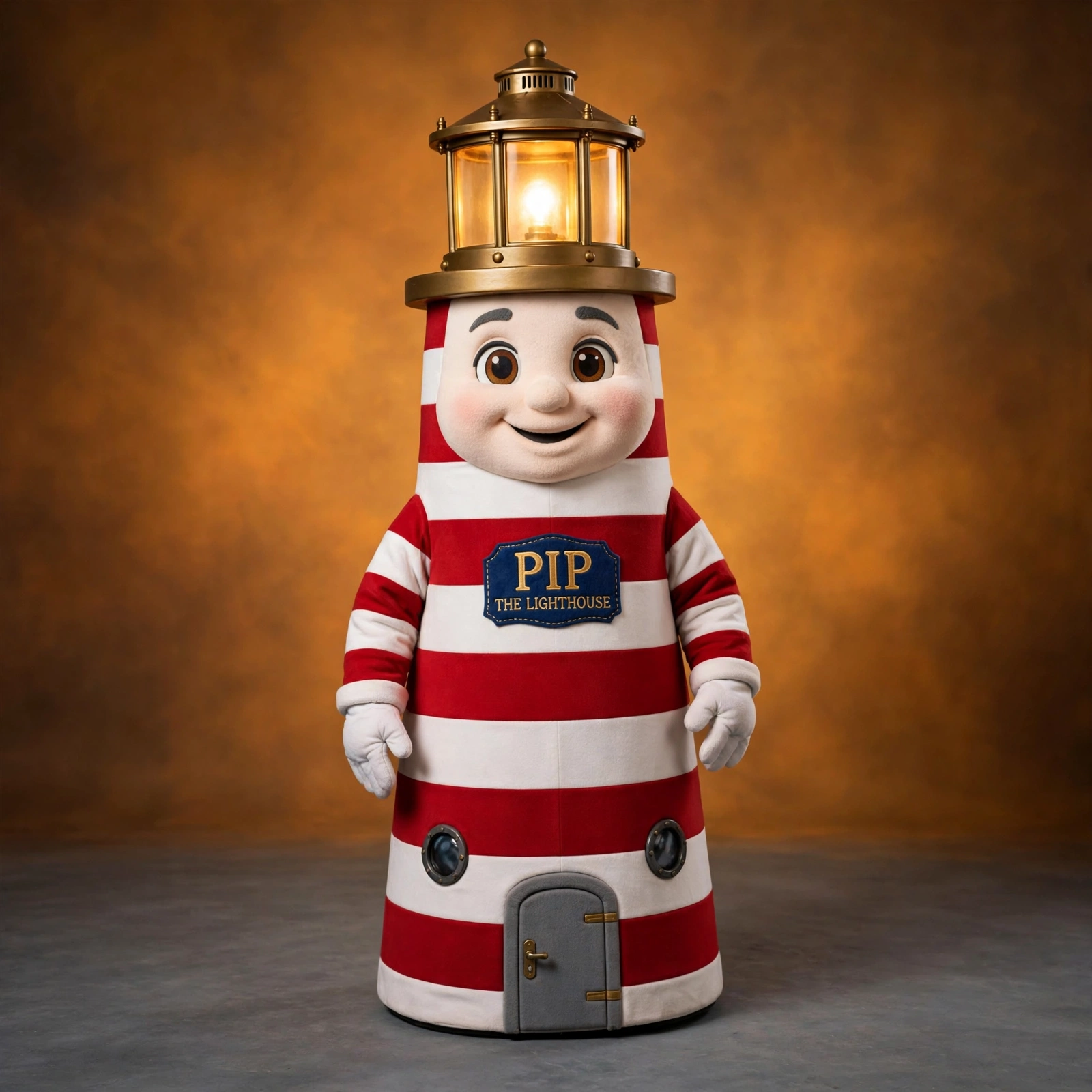
DesignBub creates original mascot characters for brands, campaigns, packaging and social content — designed as a usable character system, with poses, expressions and reference sheets your team can actually build on.

ConceptShape & Personality
SheetsPoses & Turnarounds
UseBrand • Game • Story
Custom character design concept
Mascot character artwork
Sketch • Define • Refine

Sketch, define, refine: a character built to survive its next pose, page or production stage.

Character Design Overview

A character only works when every visual decision supports the next one.

A single beautiful illustration can hide a dozen design problems. A mascot has to work again and again — in different poses, at different sizes, on packaging, on screen and in print — and each of those uses asks something new of the design.

That is why we treat a character as a system: the silhouette, the proportions, the palette, the costume, the props and the personality all decided together, so the character stays recognisable wherever it appears.

You can begin with a detailed brief or a rough idea. Either way, we develop the character through sketches and tests until the design is strong enough to survive its next job, not just its first reveal.

Design Before Rendering

Developing a character is different from commissioning a single illustration.

A single good-looking image can hide a weak character.

An illustration is finished when it looks good. A character is finished when another artist can draw it again, in a new pose, without guessing. That difference shapes every decision we make.

A character that only works from one angle, in one pose, at one size, will fail the moment it is needed somewhere else. We test the design early — in silhouette, in motion, at small sizes — so weaknesses show up while they are still cheap to fix.

The role decides what deserves the most attention.

A brand mascot needs instant warmth and recognition. A game hero needs readability in a busy scene. A children's book character needs charm that survives a hundred pages. The role decides where we spend the effort.

Each of those roles also changes the deliverables: a mascot needs a flexible pose library, a game character needs turnarounds and readable silhouettes, and a story character needs expressions that carry a narrative.

Character Design Services

Different character needs call for different kinds of design work.

Every character project is shaped by what the character has to do next. We agree the deliverables around that job, so you pay for the development you actually need.

Shape Language

Silhouette and proportion are where personality starts.

Before colour, before detail, before costume, a character is a shape. If that shape is not recognisable in pure black, no amount of rendering will save it.

We test silhouettes early, comparing several proportion options — tall and thin, short and round, broad and heavy — because proportion alone can make a character feel brave, gentle, clumsy or cunning.

We test the design at the sizes it will actually be used: as a tiny social avatar, on a product label, on a poster. A character that only works large is a character that will fail most often.

What we test before the design is finished

We test the design in a new pose, to catch the shortcuts that only work from one angle — the arm that has nowhere to go, the costume that only makes sense from the front.

We test the palette for hierarchy, not just attractiveness: which colour leads, which supports, and whether the character still reads when the palette is reduced to two colours.

2D Character Design

The artwork can range from simple vector forms to detailed concept painting.

The rendering style should fit the audience and the amount of production ahead. A mascot for social content may need clean, simple vector forms that are easy to reuse. A game hero may need detailed concept painting that shows materials, lighting and mood.

We agree the style with you before committing to it, because changing the rendering approach halfway through is the most expensive change a character project can make.

3D-Ready Concepts

Drawing the character so another artist can build it in three dimensions.

A turnaround sheet answers the spatial questions: how the costume wraps around the body, how the ears sit from behind, where the tail attaches, what the character looks like from the side.

Those views remove the guesswork for the next artist, whether they are modelling in 3D, rigging for animation or simply drawing the character in a new scene.

Mascot Character Design

A mascot has to stay useful long after the launch artwork is finished.

Launch day is the easiest day in a mascot's life. The hard part is month six, when the mascot needs to appear on a new product, in a new campaign, in a pose nobody planned for — and still look like itself.

We design mascots with that future in mind: a clear silhouette, a simple colour structure, a costume that can be simplified, and a personality that can be expressed in more than one expression.

A core mascot can later grow into a useful visual library: seasonal outfits, celebration poses, reaction faces and campaign variants, each one built on the same foundations so the character never drifts.

Game Character Design

Game characters must be readable in a world full of distractions.

Heroes, allies and enemies need clear visual separation.

In a game, the player needs to understand a character's role in a glance: who to trust, who to avoid, who matters. That reading happens through silhouette, colour and proportion long before any detail is noticed.

We design that separation deliberately. Heroes, non-player characters and enemies each get a distinct visual language, so the player never confuses a friend for a threat.

A lead character needs more than one dramatic picture to feel real.

A main character also needs more identity than a single dramatic illustration can provide. We build the expressions, poses and costume details that let the character stay interesting across hours of play.

That depth is what makes a character feel like a person rather than a picture: the way they stand when they are tired, the face they make when they are surprised, the prop they never put down.

Creature & Monster Design

A creature feels real when every strange part has a job to do.

A creature that looks unusual but makes no sense will not survive a second look. We give invented anatomy a logic: how it moves, how it eats, how its weight is carried, what its limbs are actually for.

That logic makes the creature feel real, even when it could never exist. A wing that could not lift the body, a jaw that could not close, a tail with no purpose — each of those quietly breaks the illusion.

Early exploration is cheap and late changes are expensive, so we sketch widely before refining. Several directions, compared honestly, will always beat one direction polished too early.

Concept Art

Explore broadly before committing to the expensive version.

We keep the exploration open long enough for a surprising idea to appear, and we close it down once a direction is clearly working. That balance is what keeps a project on schedule without losing its spark.

The chosen direction is then refined with intent: every detail earns its place by serving the character's role, personality or world.

Production Reference

Reference sheets that answer questions before the next artist asks them.

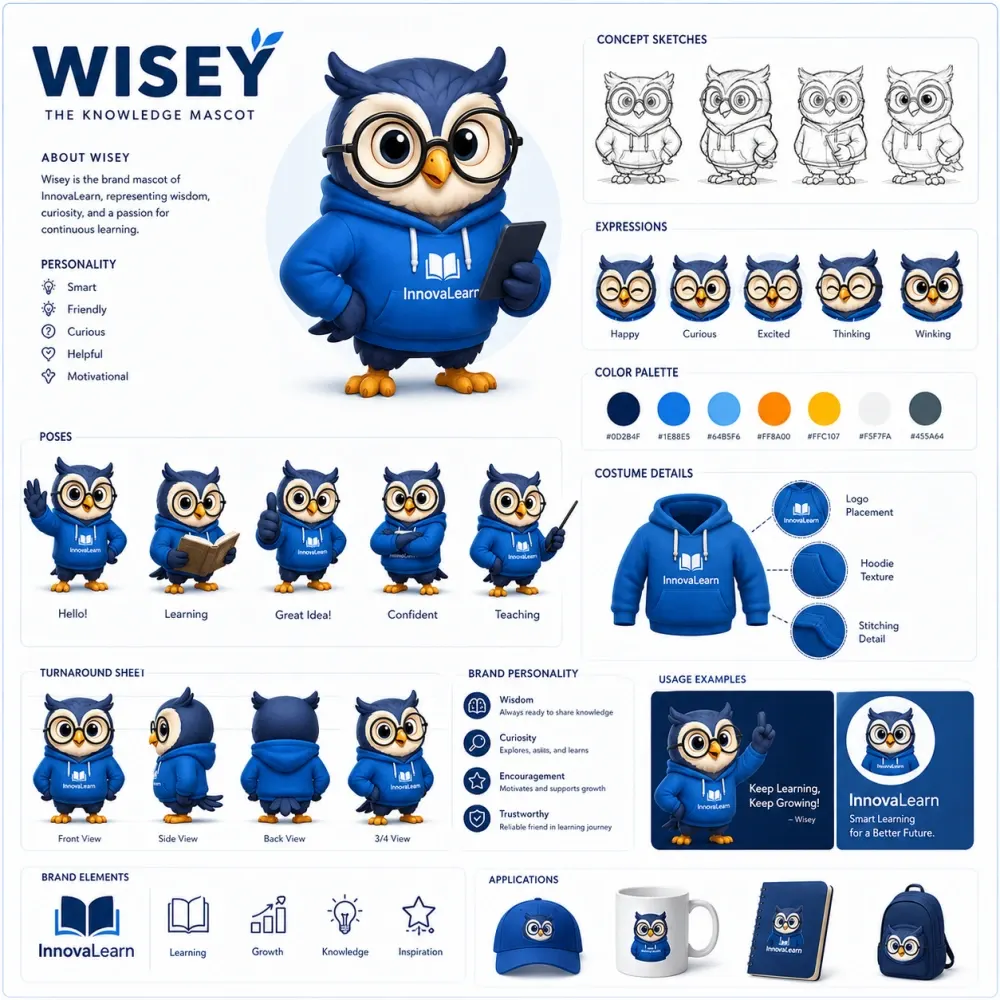
Character Turnaround Sheet

A character that will be drawn again needs reference material that answers questions before they are asked. That is the whole purpose of a character sheet.

Expression Sheet

A turnaround sheet shows the character from the front, side and back, so its construction is clear from any angle.

Pose and Gesture Sheet

An expression sheet maps the emotional range, so the character's reactions stay consistent from one artist to the next.

A pose and gesture sheet shows how the character moves and stands, so its body language stays recognisable even in a quick sketch.

Costume Design

Clothing can explain a world, a role and a personality without a paragraph of text.

A uniform, a cloak, a pair of worn boots — costume tells a story instantly. It says where the character comes from, what they do, and how seriously they take themselves, before a single line of dialogue.

We design costume with the character's world in mind, and we keep it practical: a costume that cannot be drawn twice, or that falls apart in a new pose, is a costume that will be abandoned.

Props & Accessories

One well-chosen object can tell as much story as a whole costume.

A prop can do the same work in a smaller package. A signature object — a tool, a toy, a weapon, a book — can become the character's calling card, recognisable even in silhouette.

We choose props that mean something to the character, not decoration added to fill an empty hand. The best props suggest a history.

Color Development

Colour works when one shade leads and the rest follow.

A palette is not a collection of pretty colours; it is a hierarchy. One colour leads, one or two support, and the rest appear sparingly. That order is what makes a character readable at a glance.

We test the palette against its real uses: on light and dark backgrounds, at small sizes, in print and on screen, so the character never becomes a muddy shape in the wrong context.

Style Development

Pick the rendering style your audience and your production schedule can both live with.

The art style is a practical decision as much as an aesthetic one. A simple, bold style is easy to reproduce across a team and a long production. A detailed painterly style is richer, but slower and harder to keep consistent.

We agree the style with you in the context of your audience and your production plan, so the character you approve is a character your team can actually keep drawing.

Publishing & Sequential Art

A character drawn a hundred times must stay easy to draw.

Designing characters for children's books

A character that appears in every chapter, every episode or every campaign needs to be drawable by more than one person, more than once, without drifting. Simplicity is a feature, not a compromise.

We build in the shortcuts that make repeated drawing possible — clear shapes, a limited palette, a costume with a few strong elements — while keeping the personality intact.

Characters for comics and webtoons

Children's book characters need warmth and clarity above all. Young readers meet the character on every page, so the design must be friendly at first sight and consistent across a hundred illustrations.

Comic and webtoon characters live in panels, often small and fast-moving. They need strong silhouettes, expressive faces and a design that survives being drawn quickly, again and again, without losing its identity.

Animation & Production Handoff

Good reference material anticipates the next production stage.

A character headed for animation needs a design that supports movement. Tiny decorative elements may look harmless in a still image, but they become expensive to animate every time they appear. Joint areas, clothing layers and props should all be understandable.

We prepare concept and reference material for those downstream stages. Rigging, frame-by-frame animation, 3D sculpting, topology, texturing and final character animation are not automatically included in a design package — when they are needed, they should be quoted as separate production work so expectations stay clear.

That distinction protects quality. A character sheet should never claim to be a game-ready 3D asset when it is only the visual specification for one.

Originality & Responsible References

References should explain your taste, not become instructions to copy someone else's character.

Reference images are useful when they explain a feeling: a colour mood, a level of detail, a kind of humour, a shape language. They stop being useful when they become a request to reproduce another artist's character with small changes.

Original Direction

We treat your references as direction, not as a template. We study what you respond to in them, then build something original that carries the same feeling in its own form.

Client-Supplied Assets

Original direction matters for practical reasons too: a character built from someone else's design carries legal risk, and it will always feel like a copy next to the original. A character built from your brief belongs to you completely.

Usage and Ownership

That is also why we ask for your own assets early — existing brand material, story notes, game lore, product information — so the character grows out of your world rather than someone else's.

Character Design Process

From a rough idea to a character file another team can open and use.

We start with the brief: the character's job, its audience, where it will appear, and the personality it should communicate, even if the idea is still rough.

01

Brief

We study the references and the world around the character, so the design grows out of your brand, story or game rather than from a generic idea of a character.

02

Reference Direction

We sketch silhouettes first, comparing shapes and proportions before any detail is added, because the shape is where the personality lives.

03

Silhouettes

We develop the strongest silhouettes into concept sketches, exploring faces, costume and props until a direction feels right.

04

Concept Sketches

We refine the chosen concept, tightening the construction, the costume and the details that make the character distinct.

05

Refinement

We apply the approved palette, with a clear hierarchy of colours that keeps the character readable in every context it will appear.

06

Colour

We build the reference sheets — turnarounds, expressions and poses — so the character can be drawn again by anyone on your team.

07

Reference Sheets

We hand over the final artwork, source files and a clear note on what each file is for, so the next production stage can begin without a round of questions.

08

Final Handoff

Prepare approved artwork and source/export files according to the contracted scope.

Character Design Pricing

Choose the amount of character development your project actually needs.

Prices are starting points in USD for one character. Final cost changes with rendering style, number of concepts, views, expressions, poses, costume complexity, props and production requirements. Complex 3D modeling, rigging and animation are separate services unless specifically quoted.

Focused Concept

Character Concept

Starting from$150

For a founder, author or brand that needs one original character direction without a full production sheet.

  • 1 original character
  • 2 initial concept directions
  • 1 refined full-body character artwork
  • Approved color palette
  • Up to 3 revision rounds
  • High-resolution PNG/JPG exports
  • Editable source file where applicable
Choose Character Concept ↗
Production Reference

Production Character Pack

Starting from$1,500

For a hero, mascot or game character that must move into ongoing illustration, modeling or animation reference work.

  • 1 original production character
  • 3 initial concept directions
  • Front, side and back turnaround
  • 6 facial expressions
  • 4 character poses
  • 1 outfit or important prop reference
  • Organized character model/reference sheet
  • Up to 6 revision rounds
  • High-resolution + editable source files
Choose Production Pack ↗

Pricing note: the amounts above cover the listed design work. Additional characters, complex backgrounds, extensive illustration scenes, animation, rigging, 3D modeling, print production, paid assets and third-party licensing are quoted separately when required. Commercial usage and ownership terms are confirmed in the project agreement.

Individual Character Design Starting Rates

ServiceStarting PriceTypical Scope
Brand Mascot Design$399One polished mascot direction with final color artwork and source file.
Game Character Concept$449One original game-character concept with production-aware visual direction.
Creature / Monster Concept$399One original creature concept with final color artwork.
Character Turnaround Sheet$600Front, side and back reference views based on an approved character.
Expression Sheet$249Up to 6 expressions based on an already approved character design.
Pose Sheet$150Up to 4 additional poses based on an already approved character.
Additional Outfit Variant$149One alternate outfit based on the established character structure.
Additional Pose$79One additional full-body pose.
Additional Expression$39One additional facial expression.
Possible Deliverables

The files you receive should fit the character's next job.

What you receive depends on the role the character will play next — a launch, a game, a book, a campaign — and the files are organised around that.

Final character artwork
Concept sketches
Colour palette
Turnaround sheet
Expression sheet
Pose sheet
Costume variant
Prop reference
Model and reference sheet
Transparent PNGs
High-resolution exports
Editable source file
What We Need From You

Brief us on the character's job first, and its hairstyle second.

Tell us the purpose of the character, who will see it, where it will be used and the personality it should communicate. If the character belongs to a game or story, include the role, the setting and its relationship to the rest of the cast. For a brand mascot, share the current visual identity and the kind of communication the mascot will support.

References can explain taste, and rough sketches are welcome even when they are not polished. Existing copy, story notes, product information or game lore can also help us understand the world around the character.

If the project has a later technical stage, tell us early. A character headed toward 3D modelling, 2D rigging, merchandise or packaging may need different reference artwork from a character created only for a digital illustration.

Character Design FAQs

Settle these questions before the first sketch hardens into the final character.

Covers originality, process, deliverables, revisions and pricing.

We design original characters from your brief. References are welcome as direction for style and mood, but we do not copy another artist's character, and the finished design belongs to your project.

It depends on the package, but a typical project includes concept exploration, a refined full-body character, an approved palette, and reference sheets such as turnarounds, expressions and poses where they are needed.

Yes. We design mascots, game characters, story and children's book characters and creatures, and we adjust the deliverables to the role — readability for games, warmth and consistency for books, flexibility for brand mascots.

The character's role and personality, the audience, where it will be used, any art-style references and styles to avoid, and the practical details: required poses, expressions, views, costume, props and final formats.

Packages start at $150 for one focused character concept. Final pricing depends on the rendering style, number of concepts, views, expressions, poses, costume complexity, props and production requirements.

Give your character enough structure to survive its next pose, page or production stage.

Tell us about the character you need — its job, its world and its audience — and we will build it as a system your whole team can draw from, not just a single drawing.

WhatsApp DesignBubChat with us now