



















">

Dashboard Systems Development Services

Custom dashboards and reporting systems that turn raw product and business data into decisions.

KPIs That MatterNumbers people act on
Real-TimeData as it happens
AlertsProblems caught early
Dashboard Systems Development by DesignBub
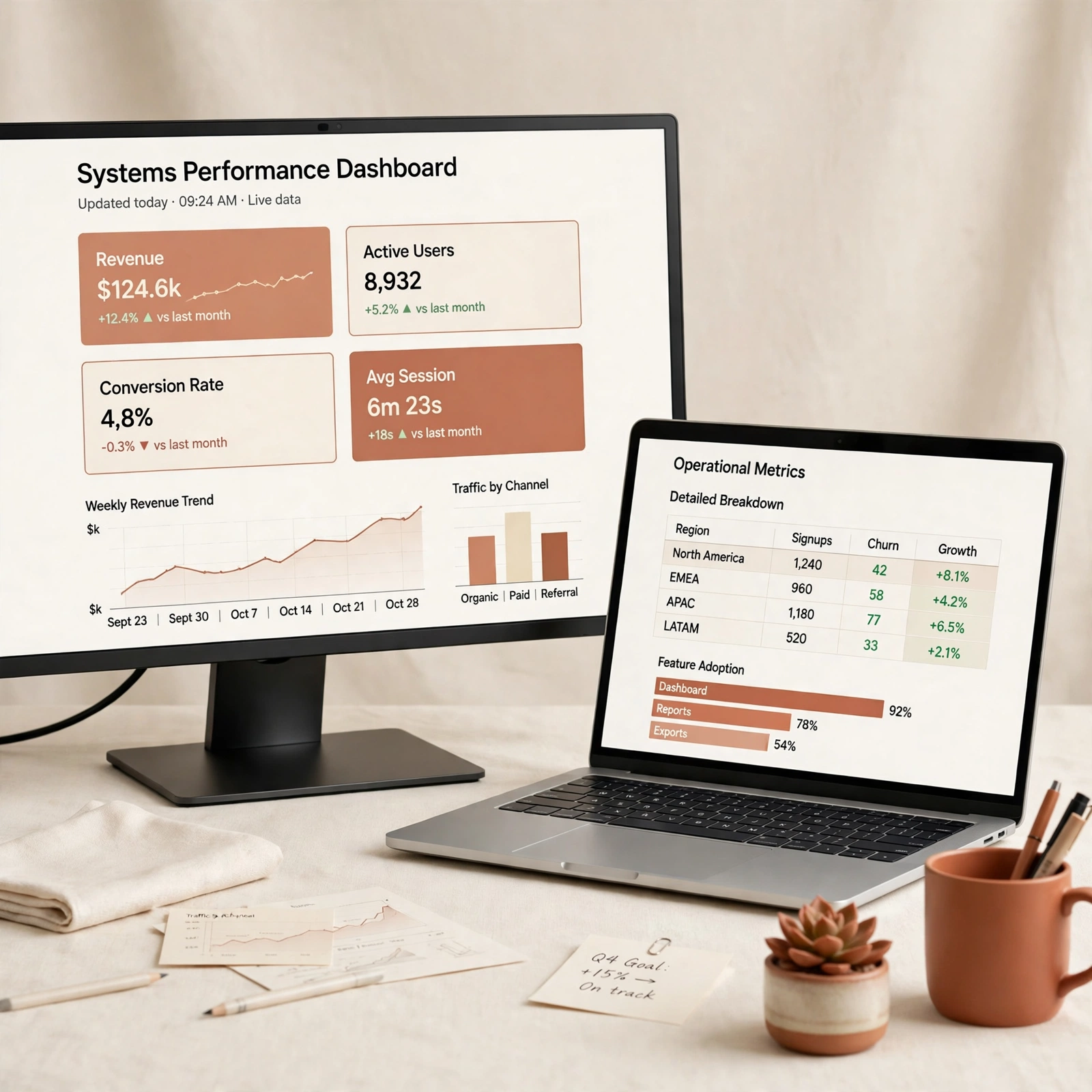
dashboard systems project preview
Dashboard Systems

Dashboards built around decisions — the right number, at the right time, for the person who acts on it.

Selected Brands & Businesses We Have Designed For
Asset 38 brand logo Asset 4 brand logo Asset 45 brand logo Asset 46 brand logo Asset 47 brand logo Decent Solar logo Dentesthetix logo Gazal Lounge logo GH Landscape logo Asset 38 brand logo Asset 4 brand logo Asset 45 brand logo Asset 46 brand logo Asset 47 brand logo Decent Solar logo Dentesthetix logo Gazal Lounge logo GH Landscape logo
Ghazoor logo Goodluck Trader logo Kingsley logo Lahoris logo MOI logo Naqaa Salt logo Nature Hug logo Netsole logo Ghazoor logo Goodluck Trader logo Kingsley logo Lahoris logo MOI logo Naqaa Salt logo Nature Hug logo Netsole logo
Nexcell Energy logo Roots logo Sheikh logo Shellbee logo Softcore logo Solvac Lifesciences logo Trendex logo Zameenex logo Nexcell Energy logo Roots logo Sheikh logo Shellbee logo Softcore logo Solvac Lifesciences logo Trendex logo Zameenex logo
Why time to spot a problem matters

Dashboard Systems Development from the user's point of view

We document Dashboard Systems Development as we go, not at the end when everyone has forgotten the details. Decisions, trade-offs, setup steps — all written down while they are fresh. Your future team will thank you.

A dashboard system should load fast, work offline where it matters, and fail gracefully when it cannot. We design Dashboard Systems Development for the moments when things go wrong, because those moments are when users decide whether to come back.

The first version of dashboard system is deliberately small. It does the core job, it does it well, and it gives us something real to learn from. Everything after that is decided by evidence, not by a wish list.

Dashboard Systems Development and reports that write themselves

The working parts of Dashboard Systems Development

We plan the data model for Dashboard Systems Development before the screens, because the screens are easy to change and the data model is not. Getting the structure right early saves months of rework later.

The admin side of dashboard system gets the same attention as the customer side. Your team needs to change content, manage users and see what is happening — without waiting for a developer. A dashboard system you cannot operate is a dashboard system you do not own.

We keep Dashboard Systems Development projects small enough to steer. Short cycles, working software, regular decisions — so that if something needs to change, it changes in days, not months. Big-bang launches are where budgets go to die.
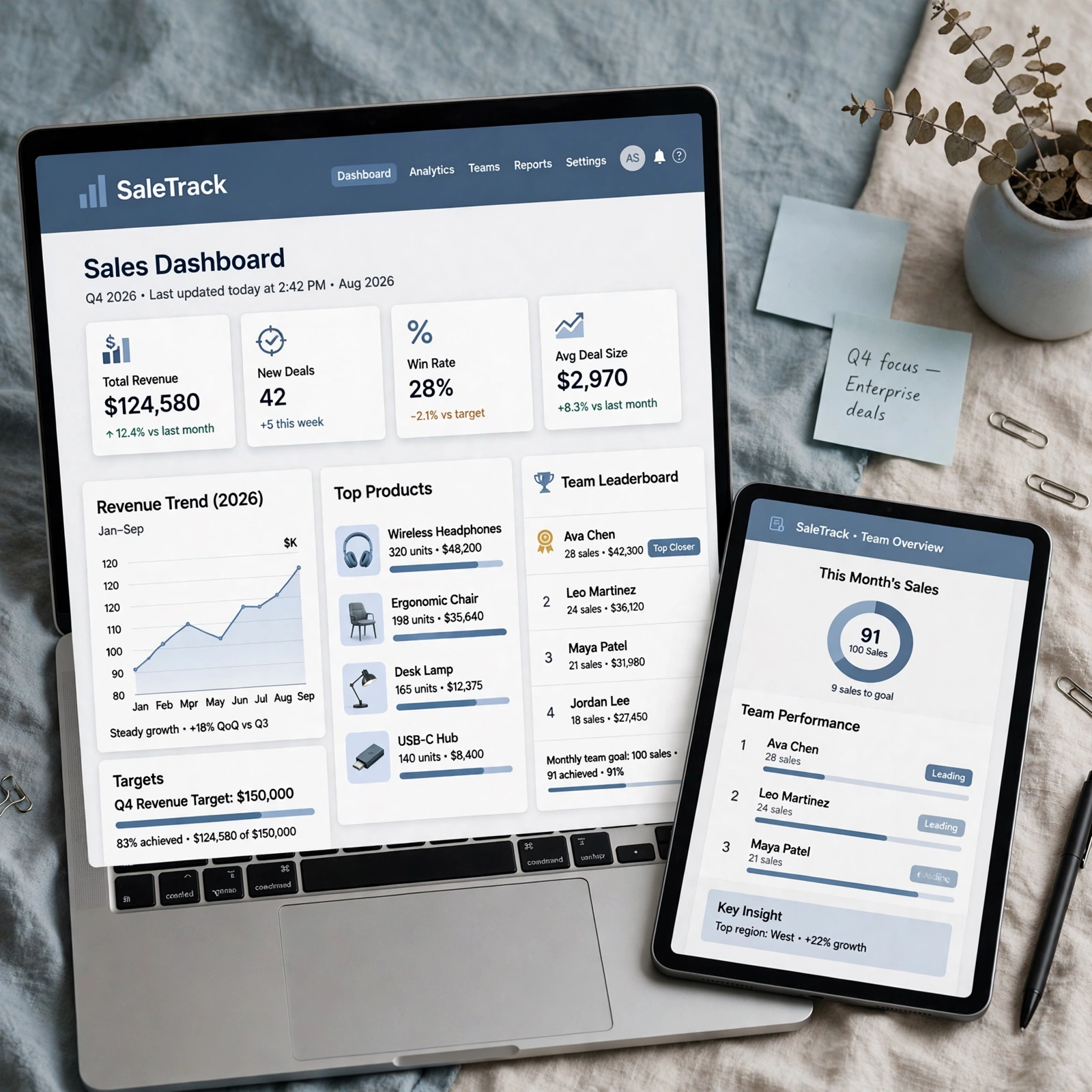
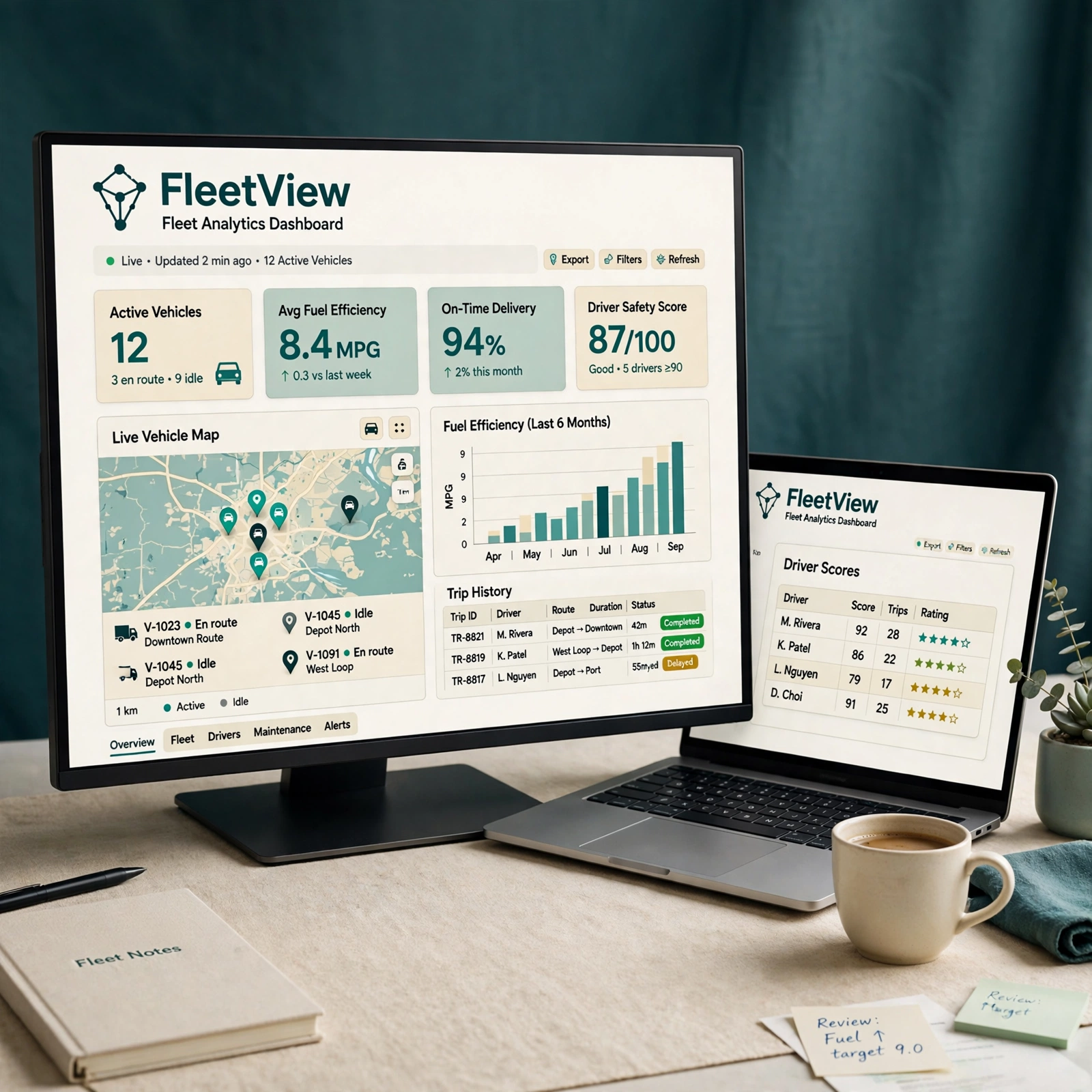
Real-Time Data and Charts in Dashboard Systems Development

What success looks like for Dashboard Systems Development

Good Dashboard Systems Development is mostly invisible. The screens are clear, the steps are few, and nothing demands attention for its own sake. If users notice the software, it is usually because something went wrong.

We treat your budget for Dashboard Systems Development with respect. Every pound is accounted for in the scope, and we flag anything that would change the price before we do it. You should never be surprised by an invoice from us.

We choose KPI Design for Dashboard Systems Development because it fits this dashboard system, not because it is popular this year. Technology choices are made on evidence — what the product needs, what your team can maintain, what will still be supported in three years.

The Charts view of Dashboard Systems Development

The standards we hold Dashboard Systems Development to

We keep the dashboard system fast. Slow screens lose users, and no amount of design fixes a product that makes people wait. Performance is planned into Dashboard Systems Development from the first week, not bolted on at the end.

reports that write themselves is the outcome we design Dashboard Systems Development around. Everything else — the screens, the features, the integrations — exists to serve that outcome. If a feature does not serve it, we question it.

We test Dashboard Systems Development with real tasks, not with a checklist of features. Can a new user complete the core job without help? Can your team handle the common support question? Those are the tests that matter.

The dashboard system difference

The questions that shape Dashboard Systems Development

We price Dashboard Systems Development on scope, and we agree the scope with you before work starts. If you want to change the scope mid-project, we talk about the cost first. No one likes a surprise invoice, least of all us.

The work of Dashboard Systems Development is rarely glamorous: data checks, edge cases, error states, permissions. But that is the work that decides whether users trust the dashboard system. We spend time on it because trust, once lost, is hard to win back.

We do not copy other dashboard system products and change the colours. Your dashboard system is designed around your workflow, your users and your business, which is why it looks and behaves differently from anything else out there.

Dashboard Systems Development in practice

Where Dashboard Systems Development goes wrong — and how we avoid it

A good dashboard system respects the user's time. Screens load fast, forms ask for only what is needed, and the next step is always obvious. We remove steps wherever we can, because every extra click is a chance to lose someone.

We start Dashboard Systems Development by watching the current process, not by reading a brief about it. The brief says what people think happens; watching shows what actually happens. The gap between the two is usually where the real project lives.

The best Dashboard Systems Development projects have a small team and a clear decision-maker on your side. Decisions get made in hours, not weeks, and the dashboard system moves forward. We will tell you if the decision process is slowing the work down.

Dashboard Systems Development at a glance

The dashboard system worth investing in

Your audience is teams that run operations on numbers, and they will judge the dashboard system in the first minute. If the first task is easy, they stay; if it is confusing, they leave and do not come back to explain why. So we test the first task before we polish anything else.

The second release of dashboard system is where Dashboard Systems Development starts to pay. The first release proves the idea; the second fixes what real use revealed. We plan for that second release from the start, so it is a small step, not a rebuild.

Your users do not care about Real-Time Data or Charts. They care whether the dashboard system lets them finish their task and move on with their day. We keep that in mind every time a technical decision comes up.

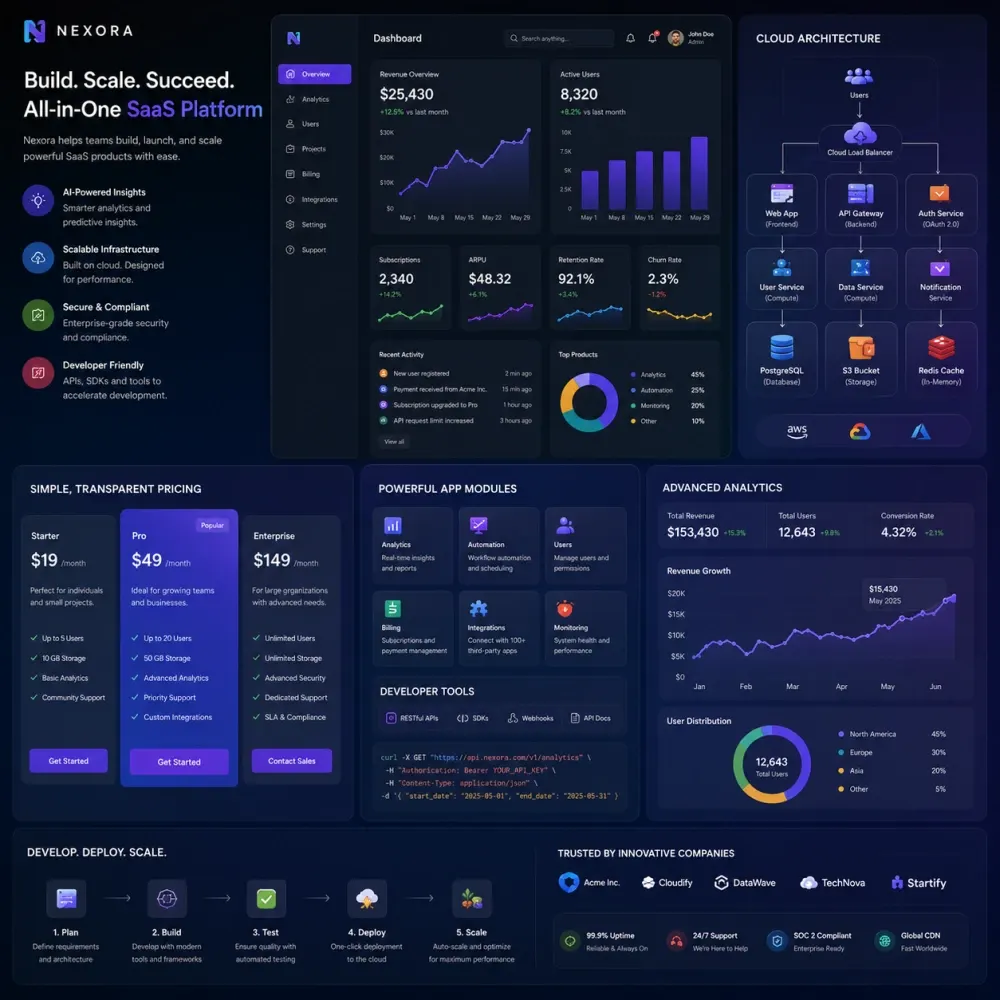
SaaS UI UX dashboard design
Dashboard Systems Development, step by step

Dashboard Systems Development built around your customers

The sign-off for Dashboard Systems Development is not a meeting; it is your team using the dashboard system without us in the room. When they can do their jobs with it, the project is done. Until then, it is not.

  • Exports that work
  • Source systems connected cleanly
  • Scales with your data
  • Iteration based on usage

A dashboard system that is hard to change is a dashboard system that will be replaced. We build Dashboard Systems Development so that new fields, new steps and new reports are small changes, not projects. Your business will change; the software should keep up.

The details of Dashboard Systems Development

The dashboard system that does not get in the way

We measure Dashboard Systems Development by decisions made from the dashboard and manual reports replaced, not by how many screens we shipped. Numbers that improve mean the dashboard system is doing its job; numbers that do not tell us what to fix next. Every release has a question attached to it, and the answer decides the next step.

We would rather tell you that Dashboard Systems Development is not the right move than sell you something you do not need. If a simpler tool does the job, we will say so. That honesty is why clients come back.

We treat Dashboard Systems Development as a long relationship, not a one-off delivery. After launch, we stay available for fixes, small changes and the next release — because software that is never updated quietly becomes a liability.

Dashboard Systems Development in detail

The difference between dashboard system and a quick fix

DesignBub works with teams that run operations on numbers who need dashboard systems that actually ship. We keep the process visible — regular reviews, working software early, honest answers about what is and is not ready. You should never have to chase us to find out where your project stands.

The cost of Dashboard Systems Development is decided by scope, not by hourly mystery. We agree the scope, the price and the stages before work starts, so there are no surprises in the middle. If the scope changes, the price is discussed first, not discovered later.

Charts is where most of the visible work happens, and Alerts is where the decisions get made. We keep the two close together, so a change in the workflow does not take a week to reach the screen. That closeness is what makes Dashboard Systems Development feel responsive instead of rigid.

The way we do Dashboard Systems Development

How Dashboard Systems Development works in practice

Support for Dashboard Systems Development does not end at launch. We offer ongoing help — fixes, small changes, the next release — because a dashboard system that is never updated quietly becomes a risk.

The interface of dashboard system should make the right action obvious and the wrong action hard. We think carefully about defaults, confirmations and destructive actions in Dashboard Systems Development, because a misclick should never be a disaster.

We do not invent features for dashboard systems to fill a page. Every feature we propose answers a task your users actually perform, and we can explain the task it serves. If a feature cannot be tied to real work, it does not get built.

Dashboard Systems Development for Alerts teams

How we approach Dashboard Systems Development

The users of dashboard system are teams that run operations on numbers, and they have better things to do than learn your software. We design so the first task takes minutes, not a training session. If it needs a manual, we have made it too complicated.

Users forgive a dashboard system that is plain, but they do not forgive one that is confusing. Clarity comes first in Dashboard Systems Development: clear labels, clear next steps, clear errors. Polish comes after clarity, never before it.

The dashboard system approach

Dashboard Systems Development: the honest version

A dashboard system built for teams that run operations on numbers should feel like it was made for them, not adapted from someone else's product. We design the workflows around your users' actual jobs, which is why the result looks different from a generic tool.

When we talk about problems seen before customers feel them, we mean something specific and measurable. Vague promises do not help anyone plan, so we define what success looks like before we start building, and we check it honestly when the work is done.

Why Dashboard Systems Development

Who Dashboard Systems Development is for — and who it is not for

Security and privacy are designed into Dashboard Systems Development from the first week, not audited in the last. Access is limited to who needs it, sensitive data is handled carefully, and the boring safeguards — backups, logs, updates — are set up before launch, not after a scare.

What looks simple in a dashboard system is usually the hardest part to get right: the empty state, the error message, the moment something goes wrong. We design those moments carefully, because that is when users decide whether to trust you.

Dashboard Systems Development for your team

Why Dashboard Systems Development is not a commodity

The handover for Dashboard Systems Development includes a walkthrough with your team, written documentation, and a period where we answer questions. We do not consider the project finished until your team is comfortable running the dashboard system alone.

We measure the success of Dashboard Systems Development in time to spot a problem. If that number improves, the dashboard system is working. If it does not, we find out why and fix it. That is the whole job, really.

Inside Dashboard Systems Development

The parts of Dashboard Systems Development people forget

We have seen Dashboard Systems Development projects go wrong in the same few ways, and a dashboard full of numbers nobody uses is near the top of the list. Our process is built to catch it early: a review before the build, a check during the build, and a test before launch.

The dashboard system your customers remember

We review Dashboard Systems Development with you at every stage, not just at the end. You see the design before it is built, the build before it is launched, and the launch before it is announced. There are no big reveals — only steady progress.

How KPI Design fits this dashboard system

The fastest way to waste money on Dashboard Systems Development is to build everything at once. We separate the core — the workflow that must work on day one — from the features that can wait, and we prove the core first. That is how decisions made from the dashboard improves without the budget disappearing into nice-to-haves.

Export & Reports and the data behind Dashboard Systems Development

The dashboard system we build for teams that run operations on numbers has to work for the least technical person who will use it. If they can complete the task without help, everyone can. That is the standard we test against, and it is stricter than it sounds.

Why Data Warehousing and Export & Reports

time to spot a problem is the number we watch most closely on Dashboard Systems Development projects, because it tells us whether the dashboard system is actually being used. A beautiful product that nobody opens is a failure, however polished it looks.

What Dashboard Systems Development really means

How Dashboard Systems Development earns its place

We do not hand over dashboard system and disappear. The weeks after launch are when the real questions arrive, and we stay available for them. A launch is the start of the product's life, not the end of ours.

The best compliment a dashboard system can get is silence: users who simply get their work done and move on. We aim for that — software that disappears into the task, rather than demanding attention for itself.

A dashboard system that works for teams that run operations on numbers has to work on a bad connection, on an old phone, in a hurry. We design for those moments, not for the perfect demo. Real life is the test environment.

Dashboard Systems Development for teams that run operations on numbers

How your dashboard system moves from idea to launch

A dashboard system built without testing is a guess. We test Dashboard Systems Development with real people doing real tasks, and we fix what we find. Testing is not a phase at the end; it is how we work.

01

Discovery

We review the decisions the dashboard must support and who makes them.

02

MVP & Feature Scope

The essential views and first-release priorities are separated from later additions.

03

Roles & Data

Audiences, permissions and data sources are defined before design.

04

Flows & Wireframes

Views are planned around questions, not around available data.

05

UI/UX Design

Clear, readable interfaces are designed for screens people watch all day.

06

Architecture

Data pipelines, caching and refresh intervals are planned around the product model.

07

Development

The system is built in reviewable stages, with real data early.

08

Testing

Numbers are checked against source systems, and roles are tested.

09

Deployment

The system is deployed with monitoring and a rollback plan.

10

Iteration

Usage decides which views, alerts and reports come next.

SaaS Development Pricing

Starting packages for different stages of a SaaS product.

These are starting development packages, not fixed quotes for every product. SaaS cost changes with user roles, workflows, billing, integrations, data complexity and the amount of custom engineering required.

Focused first release

SaaS MVP Starter

Starting from$3,500

For founders who need the core product workflow built before expanding into a larger platform.

  • Product discovery and MVP scope
  • Core SaaS UI/UX design
  • Authentication and onboarding
  • Primary dashboard and core workflow
  • Basic backend and database
  • One primary customer role + admin
  • 1 standard third-party integration
  • Responsive web application
  • QA and deployment support
Choose SaaS MVP Starter ↗
Complex product

Advanced SaaS Product

Starting from$10,500

For multi-module SaaS products with deeper workflows, reporting and a wider integration surface.

  • Advanced product and architecture planning
  • Multi-tenant SaaS product structure
  • Up to 5 defined user roles
  • Subscription, seat or plan-access logic
  • Advanced dashboards and admin controls
  • Reporting and structured data workflows
  • Up to 5 standard integrations
  • Scoped AI/API feature allowance where agreed
  • QA, deployment and technical handoff
Discuss Advanced SaaS ↗

Pricing note: Package prices are starting development fees in USD. Hosting, cloud usage, payment-provider charges, paid APIs, AI model usage, email/SMS/WhatsApp charges, licensed assets, data migration, third-party subscriptions, taxes and ongoing maintenance are separate unless specifically included in the quotation. Features outside the listed scope are estimated separately after requirements are reviewed.

Dashboard Systems Development that delivers problems seen before customers feel them

What is handed over when Dashboard Systems Development is done

Every dashboard system we build starts with the people who will use it. We map their tasks, their frustrations and the workarounds they have already invented, because that is where the real requirements live. The result is dashboard systems shaped by actual work, not by a feature list copied from a competitor.

Decision Mapping
KPI Design
Dashboard UI
Data Pipelines
Real-Time Views
Reports & Exports
Alerts
Role Views
Documentation
Deployment
Decision Mapping
KPI Design
Dashboard UI
Data Pipelines
Real-Time Views
Reports & Exports
How Dashboard Systems Development is built

Dashboard Systems Development: what to expect at each stage

The first release of a dashboard system is a question, not a statement. It asks: does this solve the problem well enough to be worth using? We build it so the answer is easy to read — in manual reports replaced, in usage, in what users say — and then we act on it.

A dashboard system is only as good as its data. We plan where data comes from, how it is checked, and what happens when it is wrong, before a single screen is drawn. Garbage in, garbage out is not a slogan; it is a project risk.

Dashboard Systems Development with KPI Design

What makes dashboard system worth doing well

We are honest about what Dashboard Systems Development cannot do. If a requirement does not fit the product, we say so and suggest what would. A dashboard system that promises everything delivers nothing.

Communication is part of Dashboard Systems Development, not a layer on top of it. You get a named contact, a clear plan, and reviews you can actually attend and influence. Surprises are bad in a project; the only acceptable surprise is finishing early.

What Dashboard Systems Development delivers

The questions that come up most about Dashboard Systems Development

A dashboard system that nobody can operate is a liability, not an asset. We build the admin side with the same care as the customer-facing side, so your team can change content, manage users and see what is happening without calling us. Handover is part of the project, not an afterthought.

Reporting tools show data; a custom dashboard shows decisions. We design around the questions your team asks each morning — what is wrong, what needs attention, what changed — instead of dumping every metric on one screen.

Yes, where it matters — sales, operations, support queues. Where real time adds cost without value, we use sensible refresh intervals and say so honestly.

Your existing systems: databases, CRMs, payment providers, spreadsheets, APIs. We connect the sources, clean the data and document what each number means, so the dashboard is trusted.

Yes. Managers, operators and executives see the views their jobs need, with permissions enforced properly. One system, different lenses.

Alerts are designed carefully — thresholds, quiet hours and clear ownership — so they signal real problems instead of training people to ignore them.

See the problem before your customers feel it.

A good dashboard answers the morning questions in seconds: what is wrong, what changed, what needs attention. Tell us the decisions your team makes and we will design the system around them.

WhatsApp DesignBubChat with us now