Launch Promos
A reveal with build-up: the story, the moment and the invitation, paced to hold attention to the end.
DesignBub makes promo videos that explain the product, the offer and the next step in under a minute: a clear story, planned shots, paced editing, voiceover and end cards, delivered in the formats your website and social channels need.
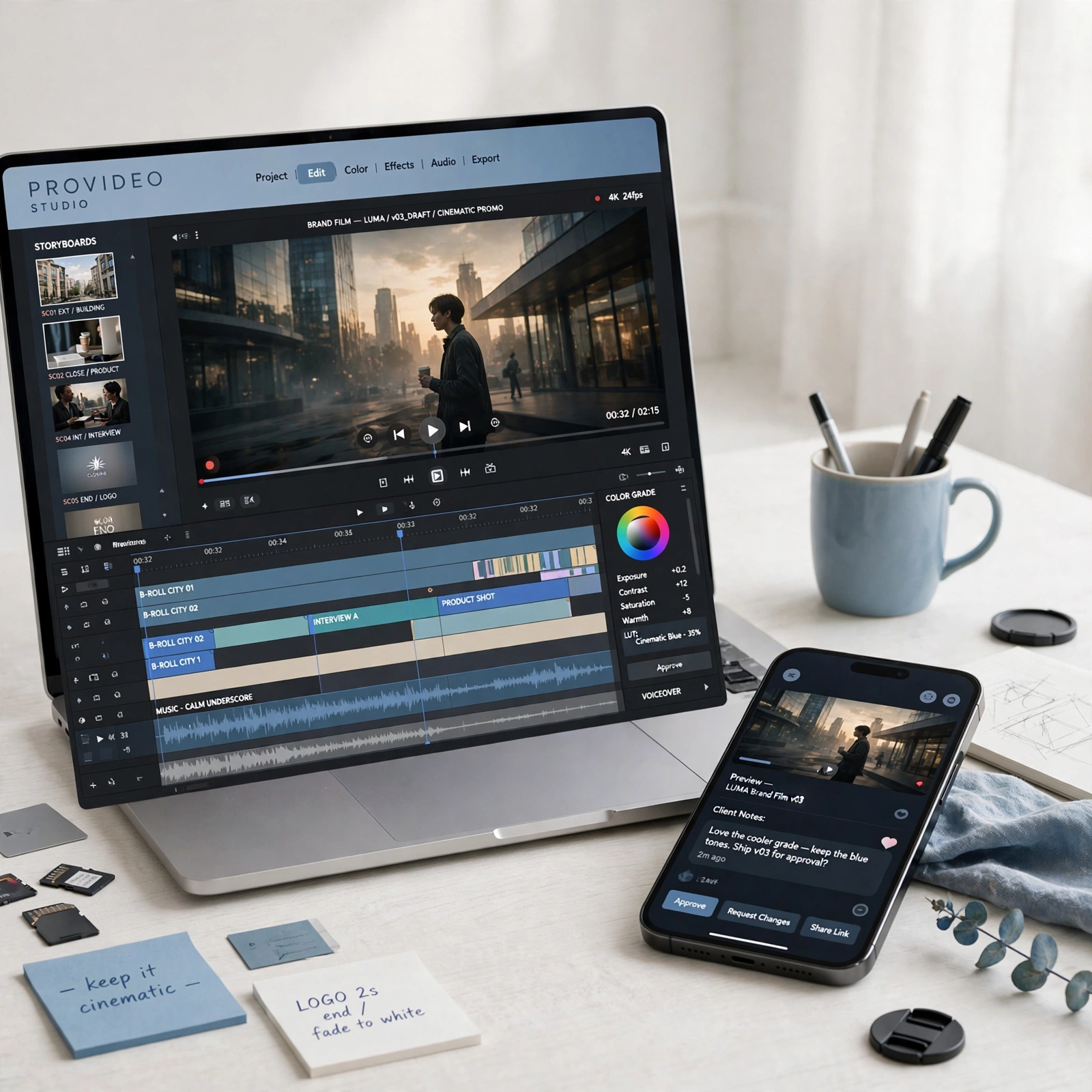

A short, clear story about your product, paced to hold attention to the final frame.
Sample promo videos — each one built around a single clear message, with the product at the centre.

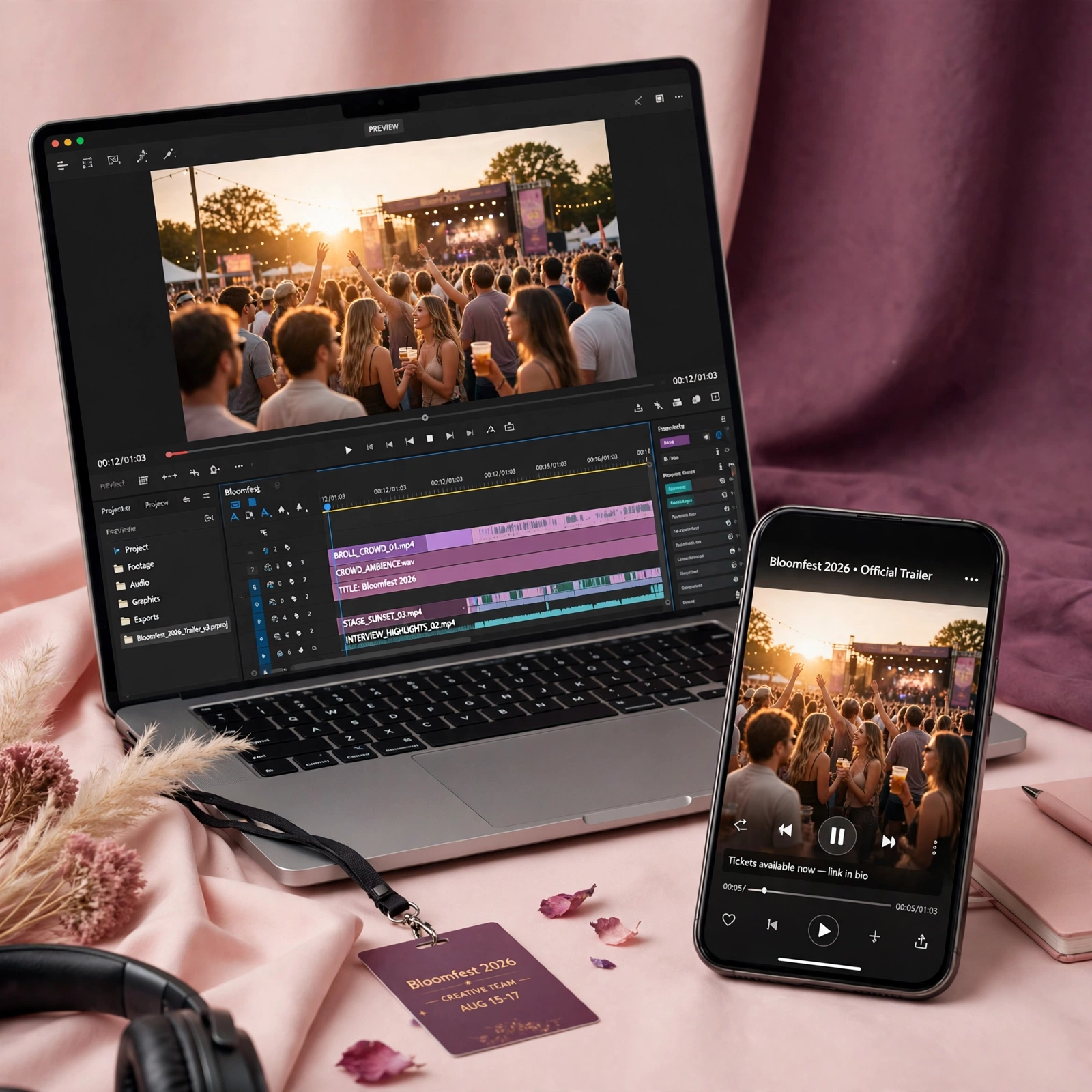
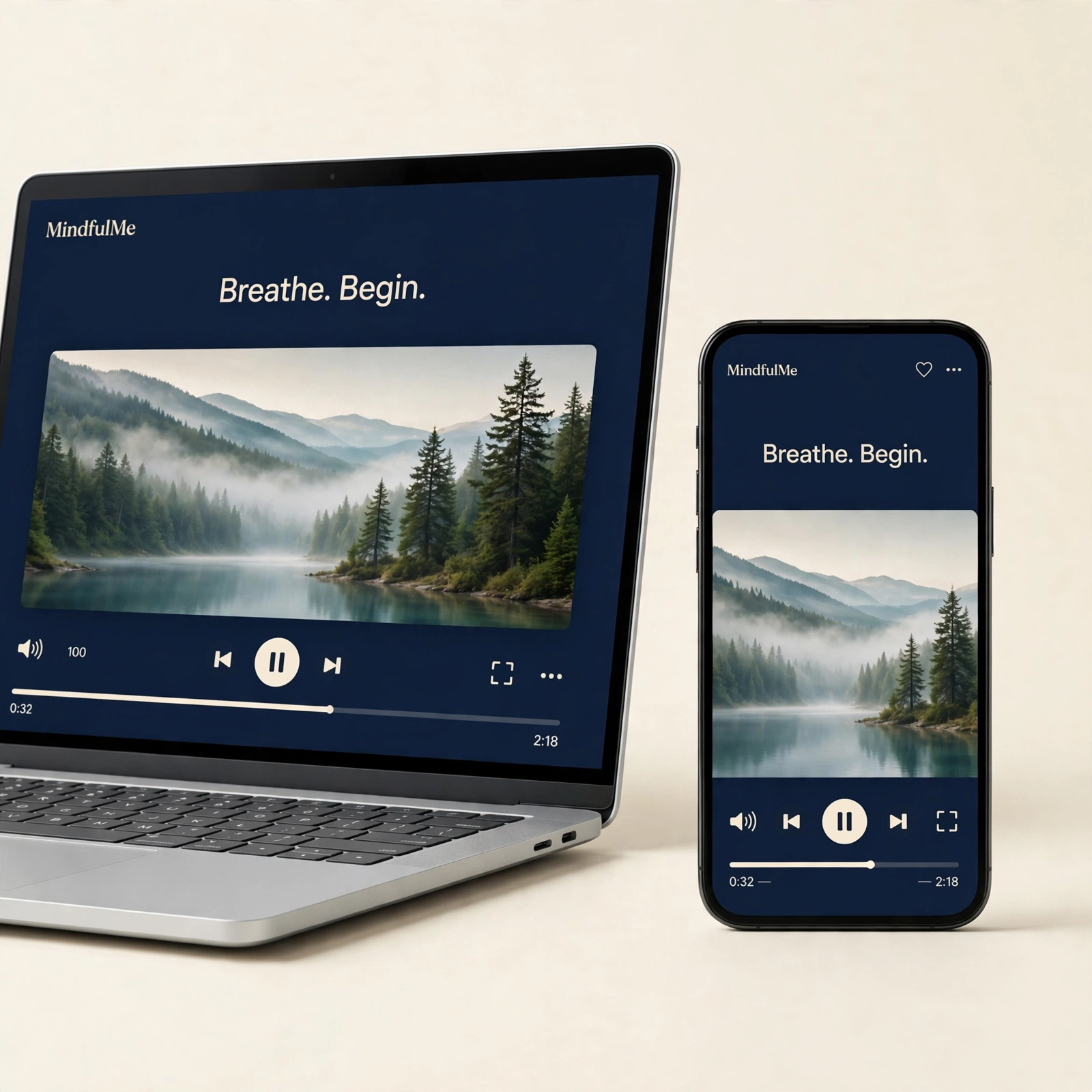

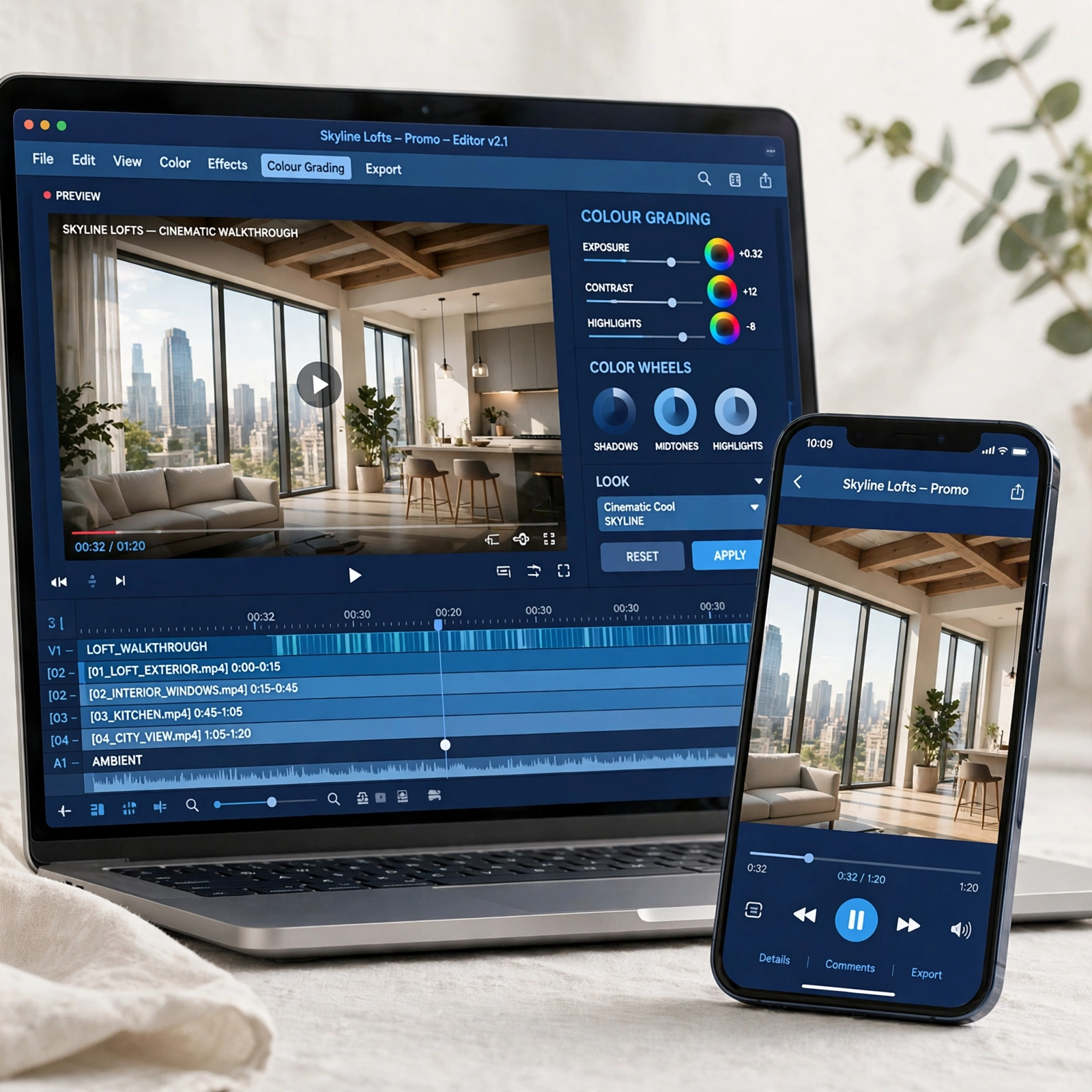

























A promo is not a film about your brand. It is a short, practical piece of communication: here is the product, here is what it does for you, here is the offer, and here is what to do next. If any of those four parts is missing or muddled, the viewer leaves without acting, however beautiful the footage looks.
DesignBub creates promo videos for product launches, events, apps, restaurants, property and services that need to explain themselves quickly. We plan the story first, then the shots, then the edit, so the finished video feels deliberate from the first frame to the end card.
A good promo also respects the viewer's time. Thirty to sixty seconds is usually enough to tell the story well. We would rather make a tight forty-second promo that people finish than a two-minute one they abandon halfway.
A launch promo builds excitement and reveals the product. An event promo builds atmosphere and gives the date, the place and the reason to attend. A product promo shows the item in use and names the benefit. An app promo shows the experience in a few clear screens. Each format has its own shape, and we plan the shots and the pacing to match.
Our promo videos can cover brand launches, product releases, seasonal offers, events and festivals, app and software introductions, restaurant and hospitality openings, and property launches. Every promo is built from your brief, your assets and the channels where it will be shown.
A reveal with build-up: the story, the moment and the invitation, paced to hold attention to the end.
The product in use, the benefit in plain words, and the offer, all inside a minute.
Atmosphere first, then the practical details: date, place, tickets and the reason to be there.
A clear walkthrough of the experience, showing what changes for the user, not just what the screen looks like.
Before any scene is planned, we write the story in one or two sentences: who is this for, what changes for them, and what should they do. That sentence becomes the spine of the promo, and every shot is checked against it. If a scene does not serve the story, it does not make the cut.
This keeps the promo honest and focused. A restaurant promo becomes about the evening, not about every dish on the menu. An app promo becomes about the calm it brings, not about every feature in the settings screen. A property promo becomes about the life in the building, not a list of square metres.
We open with the strongest image or the clearest line: the product in its best light, the moment the event comes alive, the problem the service solves. The viewer should feel within three seconds that this video is for them, and that staying to the end will be worth it.
After the opening, the promo delivers steadily rather than shouting. Each scene adds one piece of information, the pace rises gently toward the offer, and the final seconds slow down for the call to action. A promo that peaks too early has nowhere left to go.
We plan product shots the way a photographer would: the angle that shows the shape, the light that shows the material, the close-up that shows the detail, and the wider shot that shows it in use. Generated scenes can provide the setting, but the product itself stays anchored on your real photography, renders or footage.
Labels, colours and proportions are checked in every frame where the product appears. A promo that shows the wrong colour or a misspelled label does not just look careless, it misleads the customer who orders based on what they saw.
A website hero cut can be landscape, calm and cinematic. A feed cut needs to work square, with the message readable in a small frame. A story cut needs to be vertical, fast and safe from platform overlays. We deliver the promo as a family of cuts, each reframed and re-paced for its channel, not as one file squeezed into three shapes.
We also plan the length per channel. The full sixty-second story may live on your website and YouTube, while a fifteen-second cut carries the same idea on social. Both cuts share the same story and the same look, so the campaign feels connected wherever someone meets it.
We explain in pictures first. Show the bottle, the pour, the result. Show the app screen doing the thing, not a list of features. Show the room, the light, the view. Words support the pictures with short, plain lines, and motion graphics handle any step, price or detail that needs to be exact.
The test is simple: after watching once, can the viewer say what the product is, what it does and what to do next? If the answer is yes, the explanation worked. If they need to watch twice, we have asked too much of sixty seconds.
What is it, what does it look like from every side, how big is it, how does it work, and what do I get? A product-page promo answers those questions in order, with the product visible throughout and the offer stated plainly. It should reduce doubt, not add theatre.
We keep these promos calm and factual. The product stays accurate, the claims stay modest, and the end card gives the next step without pressure. A shopper who trusts the video is far more likely to trust the purchase.
A founder, a chef, a trainer or a host can carry a promo when the story is personal: why this product exists, what went into it, who it is for. We write the script for speaking, keep the lines short, and pace the edit so the presenter sounds warm and unhurried.
We only use real people with their permission, and we never invent an endorsement. When a synthetic presenter is the right choice for a simple announcement or a multilingual version, we keep the message factual and the presentation clearly framed, so nobody is misled about who is speaking.
We break the story into individual shots: the opening image, the product reveal, the benefit, the offer, the end card. Each shot gets direction for subject, setting, framing and movement, and we generate options for the scenes that carry the most weight, so we can choose the strongest take.
Working shot by shot keeps the promo fixable. If the launch moment does not land, we rebuild that scene rather than starting the whole video again. The edit then sets the rhythm, and the voiceover, where included, is timed to the pictures it describes.
A launch often has strong stills before it has any footage: the product shot, the venue, the dish, the building. We animate those images with slow camera moves and gentle environmental motion, so they sit naturally inside a moving promo without looking like a slideshow.
The movement stays restrained. A slow push-in on the product feels cinematic; a dramatic sweep can distort the image and distract from the story. We review every animated frame and keep the composition you approved.
We structure the promo in three parts. The opening earns attention. The middle builds the story, scene by scene, each one adding something new. The ending slows down, states the offer clearly and gives the viewer one action to take. If any part runs long, the whole piece sags.
Pacing is set in the edit, not in the script. We watch the promo with fresh eyes, cut anything that repeats, and check that the energy rises toward the end card rather than peaking in the first five seconds and fading.
We select the strongest takes, set the rhythm, add typography for prices and details, place captions where the promo will be watched on mute, and shape the sound so the voiceover sits clearly above the music. Colour treatment pulls separate scenes into one consistent look, and the end card is designed as a clean final frame with your logo, the offer and the next step.
Every promo is reviewed on the screens it will be seen on: a laptop for the website cut, a phone for the social cuts. If the type is too small or the call to action is crowded on a phone, we fix it before delivery, not after launch.
Before production we set the visual rules: colour mood, lighting, lens feel, framing and the way type and logo appear. Those rules apply to the website cut, the feed cut and the story cut alike, so the launch feels like one campaign rather than three unrelated videos.
Consistency also covers the message. The offer, the price and the call to action should match across every version, so a viewer who sees the story cut and then visits the website is not told something different.
Music, voiceover, stock footage and photography all need licences that cover commercial and public use, and any claim in the script, a price, a date, a guarantee, a comparison, needs a source you can stand behind. We confirm the licences and flag the claims before production, because fixing a promo after launch costs far more than checking it first.
If your promo features real people, their permission needs to exist too. We keep a clear record of what was licensed and what was supplied, so the finished video can run wherever you need it without surprises.
We do not build promos that fabricate results, invent testimonials or present generated scenes as documentary evidence. A stylised launch moment is fine as illustration; a fake before-and-after or a fake customer is not, and we will not make one.
If a promo uses generated imagery, we keep the claims in the script modest and factual, and we handle any disclosure the platform or the use case requires. A launch built on trust lasts longer than one built on a trick.
Generative scenes can shift details, garble small text and lose continuity between shots, which is why we anchor the product on real assets and use motion graphics for prices and exact wording. And no promo, however good, can guarantee sales, bookings or sign-ups: the offer, the price, the landing page and the audience all play their part.
We plan around the limits and say so plainly. The promo's job is to make the next step clear and appealing. What happens after the click belongs to the product and the experience behind it.
First, the brief: the product, the offer, the audience, the launch date and the channels. We agree the story, the length and the formats before anything is generated, so the schedule is built around your deadline, not the other way round.
Next, script and shot planning: the words, the scene list and the end card, approved by you. Then production, where we generate and select the scenes, anchor the product on your real assets, and record or integrate the voiceover. Finally, the edit: pacing, captions, sound, colour and exports in every format, followed by your review and revisions within the agreed scope.
These promo video packages cover story, shot planning, voiceover and multi-format delivery. Multi-location filming, licensed music or exact product simulation may need a custom quote.
For a focused social clip, teaser or single-message visual concept.
For a polished ad, product promotion or multi-scene campaign asset.
For a longer brand piece, product story or visually connected campaign film.
Starting prices assume a defined brief and usable source assets where accuracy matters.
Pricing note: Standard generation and editing within the agreed scene count are included. Premium stock, paid music, specialist voice or avatar licenses, cloned-voice work, unusually heavy regeneration, 3D production, live filming, paid talent and third-party platform costs are separate when required. Pricing does not include advertising spend and does not guarantee campaign performance.
Depending on the scope, a promo project can include the script, shot plan and storyboard, generated scenes, product-led creative, voiceover direction, music and sound design, captions, logo animation, end cards and exports in the aspect ratios your website and social channels need.
You also receive the shorter cuts agreed in the brief, a fifteen or thirty-second version for social, and a clean master file for future use. Everything is named clearly and delivered ready to publish.
We plan promos around your launch date, your offer and your channels, and we keep the process visible: script, shot plan, review, finish. You always know what stage the video is at and what happens next.
We also keep the story honest. If a scene will not work, we reshape it with you. If the script promises more than the product delivers, we say so. A promo that tells the truth well will serve the launch far longer than one that oversells it.
These answers cover length, scripts, voiceover, formats and what we need from you to start.
Most promos work best between 30 and 60 seconds. That is usually enough to show the product, explain the benefit, state the offer and give the next step. Shorter cuts of 15 seconds can carry the same idea on social, and we can plan both from the same story.
Yes. We write the script from your brief, plan the shots scene by scene, and design the end card with your offer and call to action. You approve the script and the shot plan before production begins, so there are no surprises in the finished video.
Yes. We can integrate client-supplied narration or a suitable synthetic voice, and we choose music licensed for your use, paced to the story. Premium voice licensing or a specific licensed track may need separate scope, and we will confirm that in the quote.
Yes. A promo is usually delivered as a family of cuts: a landscape version for the website, a square or portrait version for the feed, and a vertical version for stories. Each one is reframed and re-paced for its channel rather than simply cropped.
A short brief covering the product, the offer, the audience, the launch date and the channels, plus your product photography or footage, brand guidelines and any existing script or reference you like. From that we can write the story and plan the shots.
Share your product, your launch date and the channels where the video will run. DesignBub will plan the story, build the shots and deliver a promo that is ready for launch day.