Unboxings
The reveal, first impressions and the details of the packaging, filmed the way a happy customer would film it.
DesignBub creates creator-style UGC videos that show your product in real use: honest unboxings, believable testimonials, simple how-tos and try-ons, filmed to feel like a genuine recommendation and delivered with clear usage rights for ads and social.
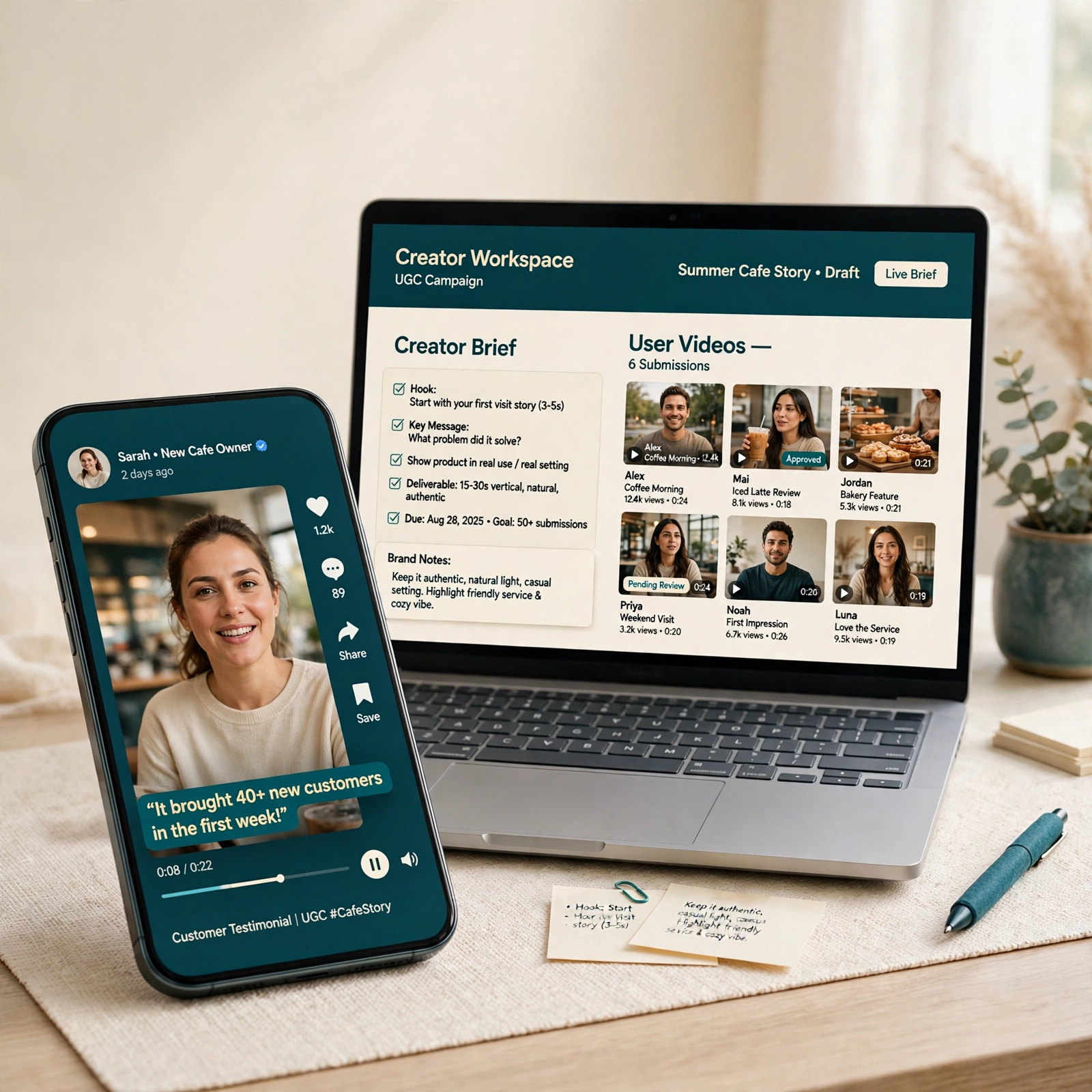

A creator-style video that feels like a real person recommending a real product.
Sample UGC-style videos — honest, creator-led content that audiences actually trust.
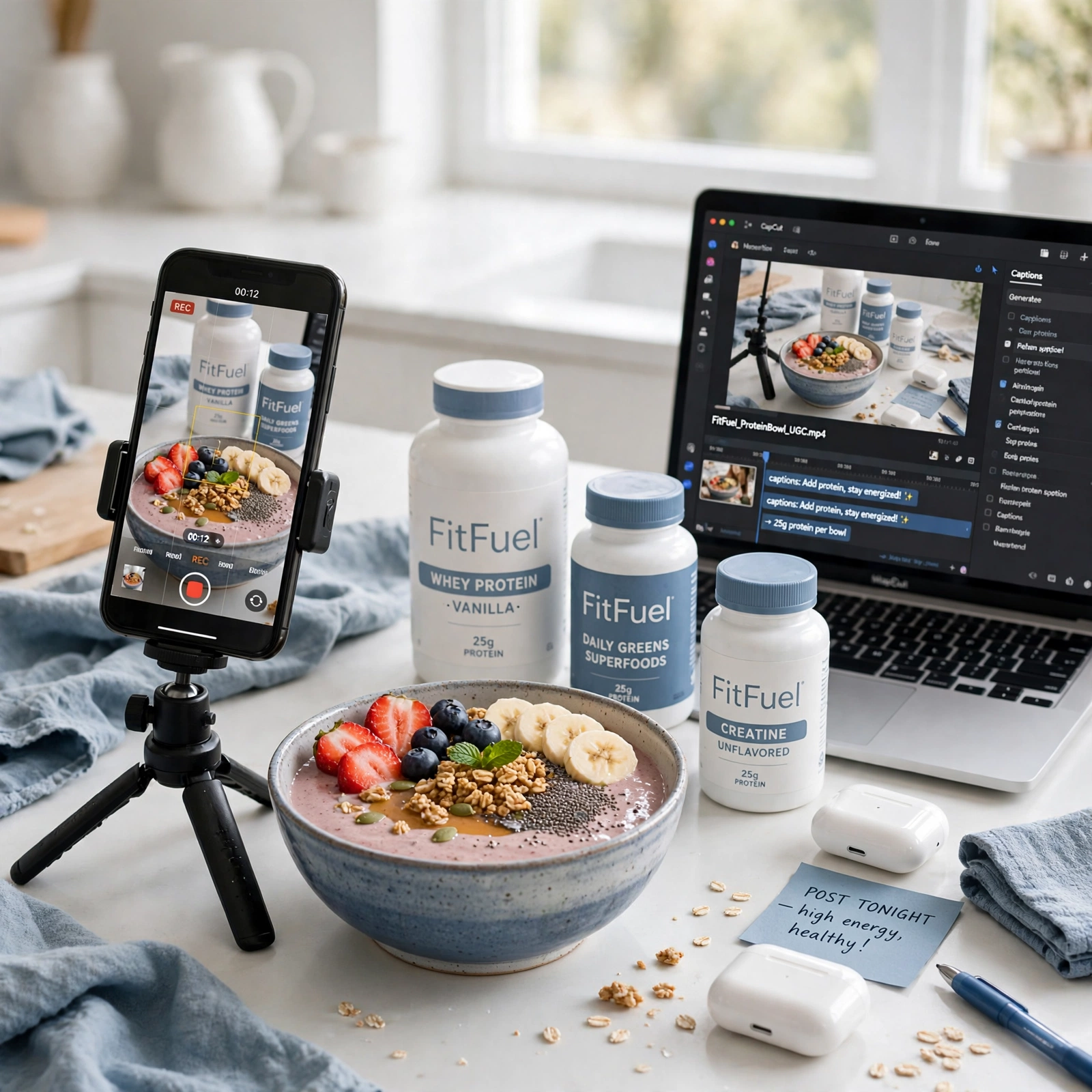
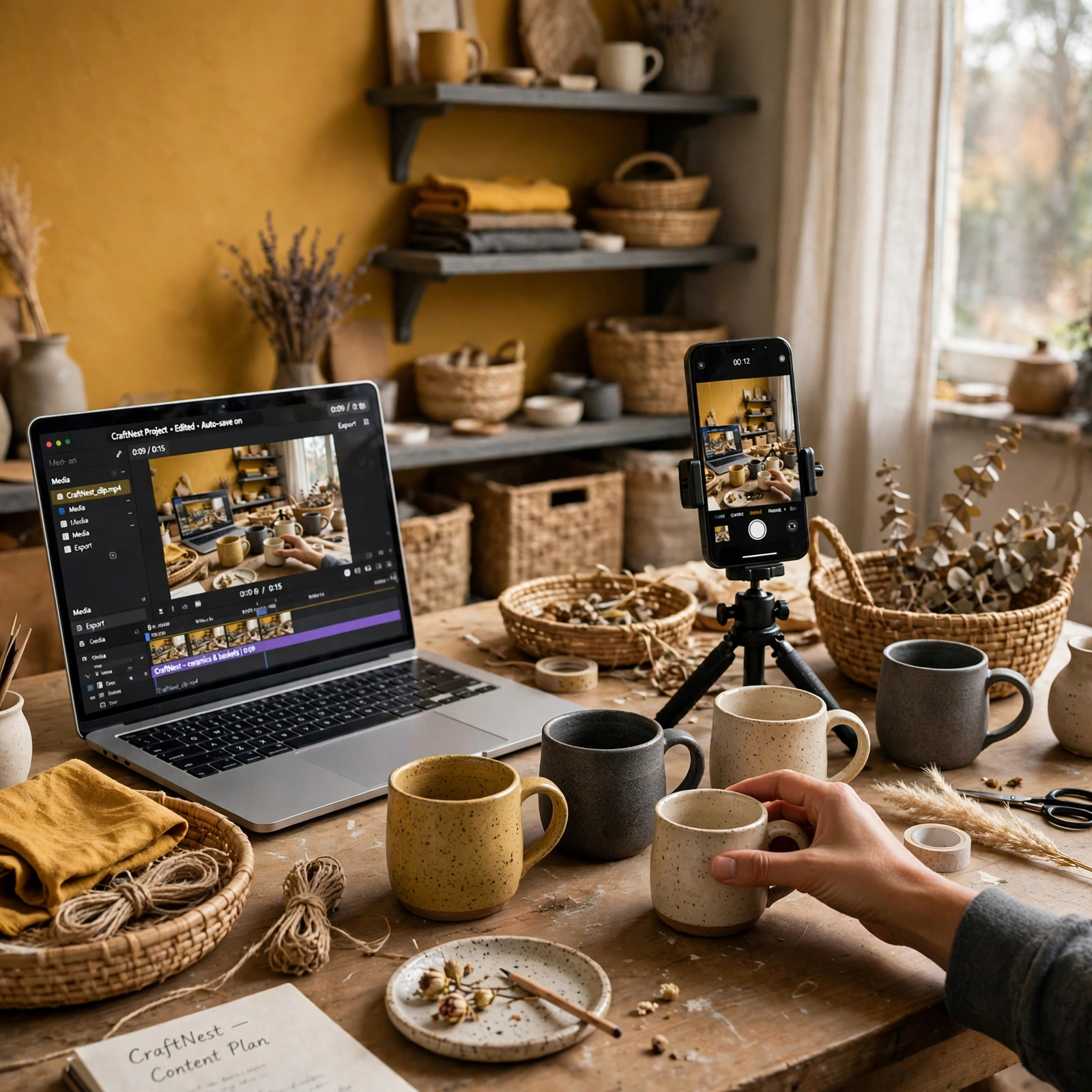
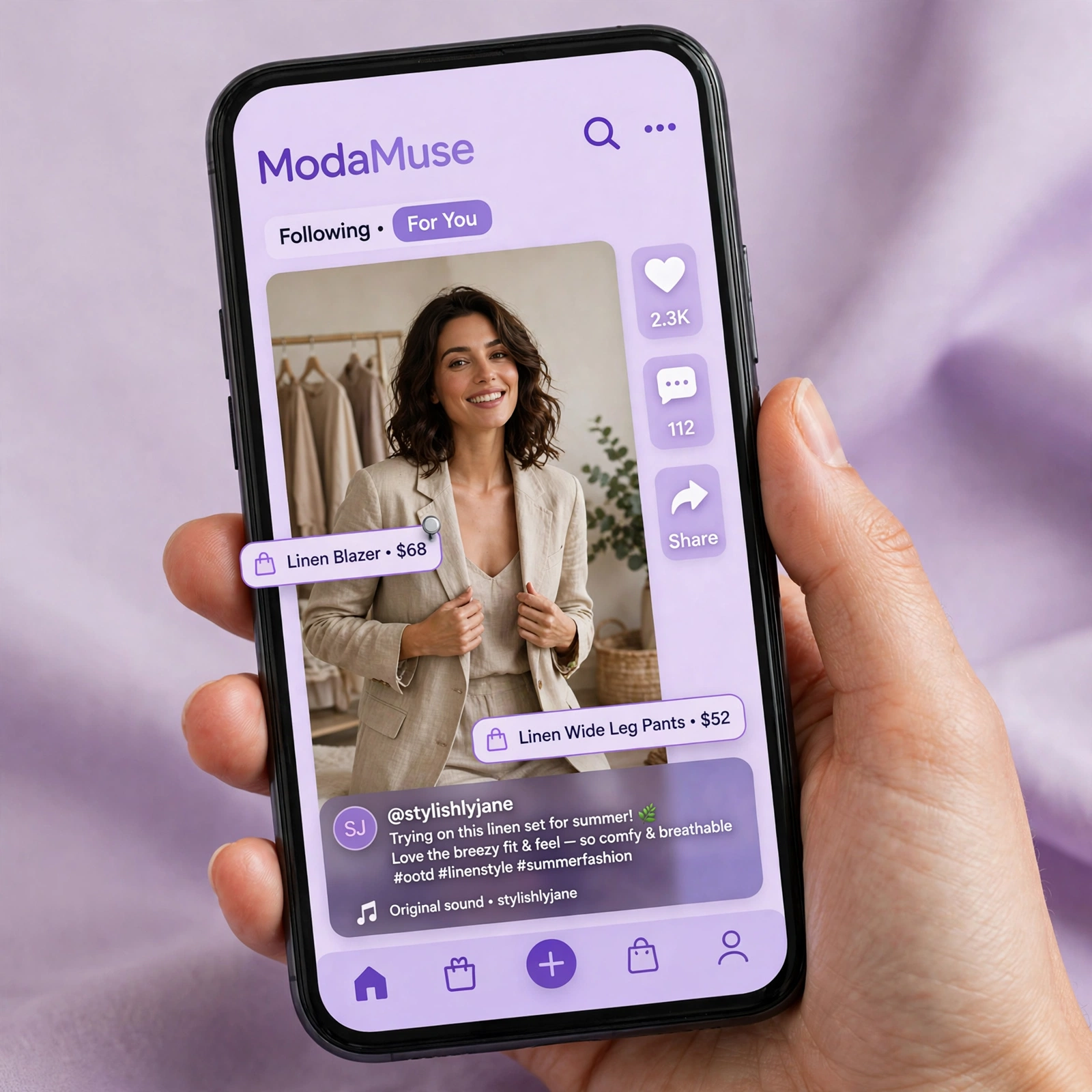
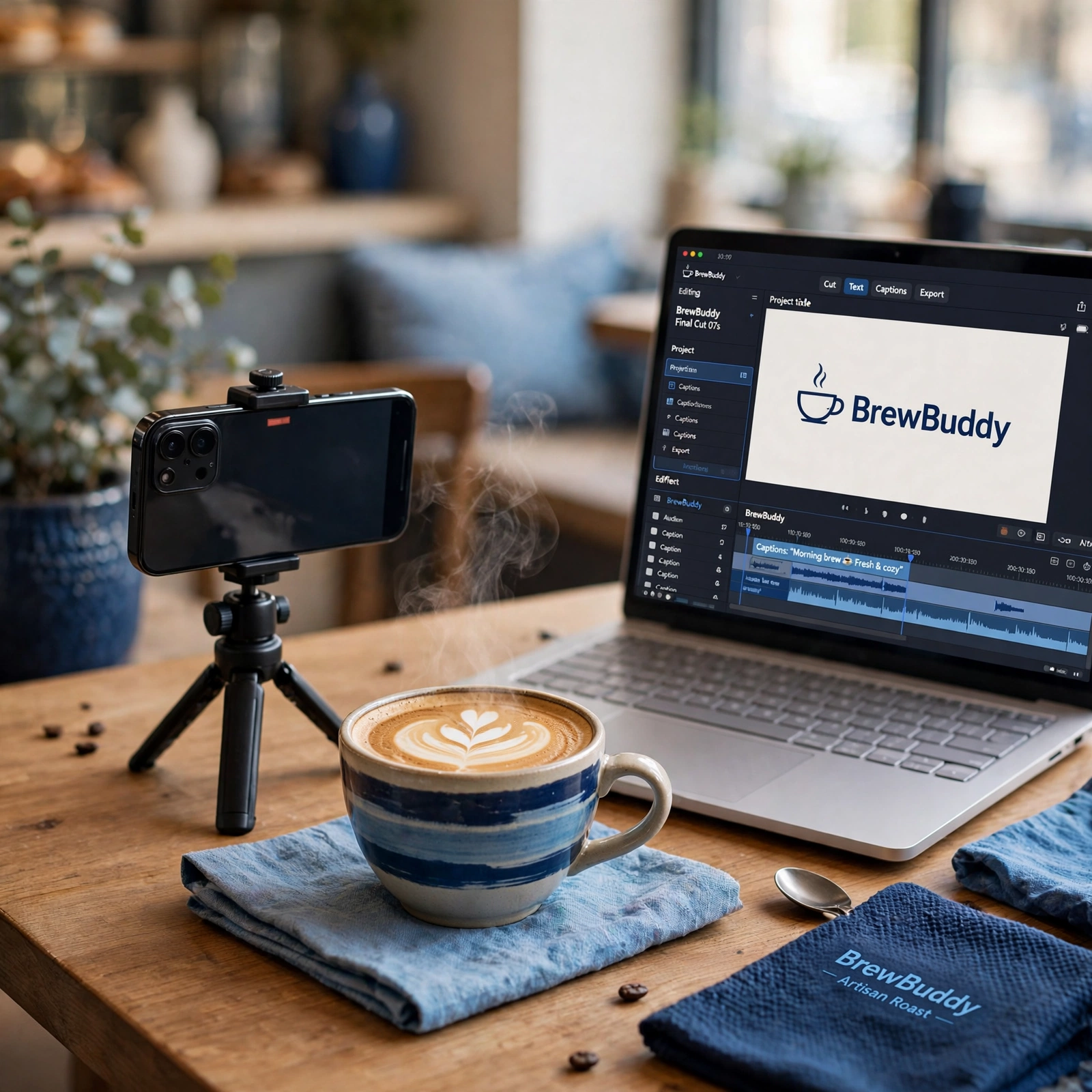

























A UGC video looks like it was made by someone who bought the product, tried it and liked it enough to film it. The camera is a phone, the setting is a kitchen, a bathroom or a living room, and the language is plain. That informality is the point: it reads as a recommendation, not an advertisement, and viewers listen differently because of it.
DesignBub creates UGC-style videos for beauty, food and drink, fitness, fashion, home and pet brands that want social proof they can use in ads and on product pages. We plan the brief, direct the creator-style filming, edit for a natural feel, and agree the usage rights in writing before the video is delivered.
We are careful with the line between creator-style and misleading. A UGC video can be directed and edited, but it must not fake a customer, invent a result or pretend an actor is an independent reviewer. Honest UGC earns trust; fake UGC spends it.
An unboxing suits a product with beautiful packaging and a satisfying reveal. A testimonial suits a product with a clear before and after. A how-to suits a kit, a recipe or a routine with steps worth showing. A try-on suits fashion and beauty, where fit and finish are the story. We choose the format that fits your product, not the format that happens to be trending.
Our UGC videos can cover unboxings, testimonials, how-to guides, try-ons, reviews, day-in-the-life features and product demonstrations. Each video is filmed in a creator style, edited to feel natural, and delivered in the formats your ads and social channels need.
The reveal, first impressions and the details of the packaging, filmed the way a happy customer would film it.
A real-feeling account of using the product, in the speaker's own words, kept honest and unscripted in tone.
Simple steps shown clearly, so the viewer understands the product by watching someone use it.
Fit, finish and first impressions on camera, with the product itself doing the convincing.
A creator needs to know the product, the audience, the three or four points that matter, and the claims they must not make. Beyond that, the best UGC comes from letting the person speak naturally, in their own words, with their own reactions. Over-scripted UGC sounds like an ad wearing a costume, and viewers notice immediately.
We write briefs as talking points, not lines to memorise: what to show, what to try, what surprised them, what they would tell a friend. The filming is then guided, not staged, and the edit keeps the hesitations and the genuine moments that make the video believable.
The strongest UGC openings are simple and human: I tried this for a week, this arrived today, I was not expecting this, here is what happened when I used it. No slogans, no hype, no voiceover that sounds like a commercial. The viewer stays because the person feels real.
After the hook, the video shows rather than tells. The product is opened, tried, worn or tasted on camera, and the reaction is allowed to breathe. A UGC ad that rushes to the offer loses the very quality that made it work, so we let the human moment land before the call to action appears.
Every UGC video is built around the genuine product: the real box, the real bottle, the real garment, the real kit. We film the packaging, the texture, the size in someone's hands and the product in use, because those are the details a shopper checks before buying.
We do not substitute a generated stand-in for the product, and we do not enhance it beyond recognition. If the product has a flaw or a quirk, the honest approach is to show the product as it is and let the creator's genuine reaction carry the video. A customer who feels misled by a video rarely buys twice.
On organic social, UGC builds familiarity: regular, natural videos that show the product in everyday life. In paid ads, the same style can outperform polished creative, because it looks like content rather than an interruption. We deliver both, with the usage rights for each use agreed in advance.
We also keep the format native. Vertical, captioned for muted viewing, with the product visible early and the creator's face and voice leading the video. A UGC ad that is re-cut into a corporate shape loses the quality that made it effective.
Instead of claiming a product is easy to use, a how-to shows it: the kit opened, the steps followed, the result on the table. The viewer learns the product by watching, and the learning itself becomes the reason to trust it.
We keep how-tos short and ordered. Each step gets one clear shot, the creator narrates in plain words, and on-screen text marks the step only where it helps. If a step is fiddly or unclear, we show it twice rather than explaining it away.
Shoppers read reviews, but they watch videos. A short UGC clip on a product page, an unboxing, a try-on, a first use, gives the shopper something a photograph cannot: the product moving, being held, being used by a real person. It reduces doubt at the exact moment of decision.
We keep product-page UGC calm and factual. The product stays accurate, the claims stay modest, and the video is captioned so it works with the sound off. It should feel like a helpful customer, not a sales pitch.
Creator-style narration is conversational: short sentences, natural pauses, the odd laugh or honest aside. We direct the voice that way, and we edit to keep it, removing only the repetition and the dead air, never the personality.
We do not use synthetic voices to impersonate real customers or to fabricate endorsements. If a voiceover is needed for a simple explainer or a multilingual version, it is used as narration, clearly and honestly, and never presented as a real customer's opinion.
A short generated scene can provide an establishing shot, a texture close-up or a transition between two real moments. Used that way, it fills a gap in the filming without changing what the video is: a real person with a real product.
What we will not do is generate a fake creator, a fake testimonial or a fake unboxing. The trust in UGC comes from the person being real, and once that trust is broken, no amount of polished footage repairs it.
A photo of the product, the packaging or the result can be animated gently, a slow push-in, a subtle move, so it sits naturally between the filmed moments. It works well for showing a detail the camera missed, or for holding a result on screen while the creator talks about it.
The animation stays quiet. UGC is a casual format, and a dramatic camera move would feel out of place. The photo supports the story; the creator remains the focus.
We protect it in the brief, by keeping the talking points honest. We protect it in the filming, by letting the creator speak naturally. We protect it in the edit, by keeping the genuine reactions and cutting the lines that sound rehearsed. And we protect it in the claims, by checking every statement against what the product actually does.
The result should feel like a video a customer made because they liked the product, even though it was planned, directed and edited professionally. That balance is the whole craft of UGC.
We cut the repetition and the dead air, tighten the pauses, and order the moments so the story flows. Captions are added in a simple, readable style, and the sound is levelled so the voice is clear. That is usually enough. Heavy effects, dramatic transitions and glossy colour would break the spell.
Colour is kept natural and consistent across clips, so phone footage and camera footage sit together comfortably. The finished video should feel like something a person filmed on a good day, not something a studio polished within an inch of its life.
When several creator-style videos are made for one brand, we keep a light house style: the caption treatment, the way the product is introduced, the tone of the brief, the end frame. The creators themselves stay different, different voices, different rooms, different personalities, but the brand is recognisable across the set.
That consistency matters for ads. A campaign running five UGC videos should feel like five people recommending the same product, not five unrelated clips that happen to share a logo.
Before filming, we agree in writing what the video can be used for: organic social, paid ads, your website, product pages, and for how long. Paid-ad usage, often called whitelisting, is agreed separately, because it is a different right from simply posting the video on your own feed.
We also confirm that the creator consents to the use, that any music is licensed for commercial use, and that the product and any claims in the video are yours to show. Clear rights protect you, the creator and the customer, and they are settled before the video is delivered, not afterwards.
We do not create fake testimonials, fake reviews, fake before-and-after results or fake customers. We do not use synthetic people to endorse a product, and we do not edit footage to make someone appear to praise something they did not praise.
If a video is creator-style content made for a brand, it should be presented honestly, following the platform's disclosure rules for gifted products and paid partnerships. Viewers who trust a brand's UGC become customers; viewers who discover it was faked rarely come back.
One person's experience is not a guarantee. A skincare routine, a fitness product or a food item affects everyone differently, and a UGC video should never promise a specific outcome, a cure or a transformation that the product cannot reliably deliver. We keep the claims in every video modest, personal and clearly framed as one person's experience.
We also cannot promise that a UGC video will go viral or convert at a particular rate. What we can promise is an honest, well-made creator-style video with clear usage rights, and a straightforward note about what it can and cannot do for your campaign.
First, the brief: the product, the audience, the format, the talking points and the usage rights you need. We agree the number of videos, the style and the claims the creator may and may not make, before any filming begins.
Next, filming guidance: how the creator should shoot, what to show, and what to capture. Then the edit, where we shape the footage into a natural, captioned video with the product at the centre. Finally, review and delivery, with the usage rights confirmed in writing and the finished files exported for ads and social.
These UGC packages cover creator-style direction, filming guidance, editing and platform delivery. Paid-ad usage rights, multiple creators or product seeding may need a custom quote.
For a focused social clip, teaser or single-message visual concept.
For a polished ad, product promotion or multi-scene campaign asset.
For a longer brand piece, product story or visually connected campaign film.
Starting prices assume a defined brief and usable source assets where accuracy matters.
Pricing note: Standard generation and editing within the agreed scene count are included. Premium stock, paid music, specialist voice or avatar licenses, cloned-voice work, unusually heavy regeneration, 3D production, live filming, paid talent and third-party platform costs are separate when required. Pricing does not include advertising spend and does not guarantee campaign performance.
Depending on the scope, a UGC project can include the creator brief, filming direction, edited videos in the formats your ads and social channels need, captions, cover frames, and a written summary of the usage rights agreed for each video.
You also receive the raw selects where agreed, so future edits can be made from the same footage, and a clear note on which videos are cleared for paid ads and which are for organic use only.
We plan UGC around honesty: a clear brief, a real product, a natural voice and usage rights agreed in writing. The videos feel like recommendations because they are built like recommendations, not like ads in disguise.
We are also plain about the limits. If a claim cannot be made, we say so. If a format does not suit your product, we suggest the one that does. The aim is a set of videos you can run with confidence, on your product pages and in your ads, knowing they are honest and properly cleared.
These answers cover what UGC is, who appears in it, usage rights and which products suit it.
UGC, or user-generated content, is creator-style video that looks like it was made by a real customer: filmed on a phone, in a real home, in plain language. A normal ad is polished and clearly produced; UGC feels like a recommendation, which is why viewers often trust it more.
Our UGC videos are creator-style productions built around real products and real people, directed from an honest brief. We do not generate fake creators or fake testimonials, and we never present a synthetic person as a genuine customer.
Yes, when the usage rights are agreed for it. Paid-ad use is agreed separately from organic posting, and we confirm it in writing before the video is delivered, so you know exactly where each video can run and for how long.
Products people can hold, try, wear, taste or demonstrate work best: beauty, food and drink, fitness, fashion, home goods and pet products. If the product's benefit can be shown on camera in a few seconds, UGC is usually a good fit.
Yes. The brief sets the tone, the talking points and the style, and the edit keeps the captions and pacing consistent with your brand. The creator's personality still comes through, but the video should feel like it belongs to your brand, not to a stranger.
Send us your product and a short note on who it is for. DesignBub will plan the creator brief, direct the filming and deliver UGC videos you can use with confidence in ads and on social.