Bag Artwork Starter
$199USD · starting
- 1 initial design direction
- Front artwork for one bag size
- Logo, typography or supplied brand assets
- 2 revision rounds
- 1 presentation mockup
- Print-ready PDF + standard export
A bag is the one piece of branding a customer carries through the street. DesignBub designs tote, shopping and carry-bag artwork that looks deliberate in motion — sized to the real bag, the real material and the printer’s real print area.
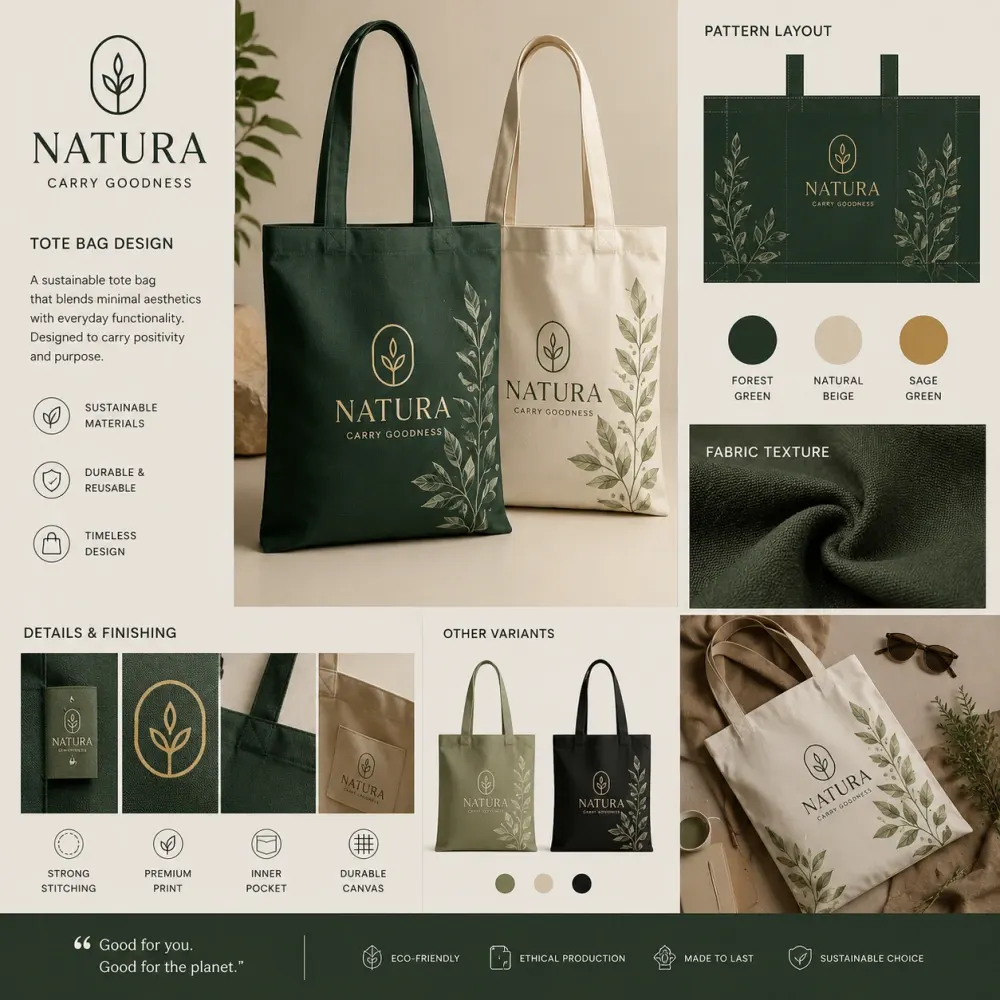
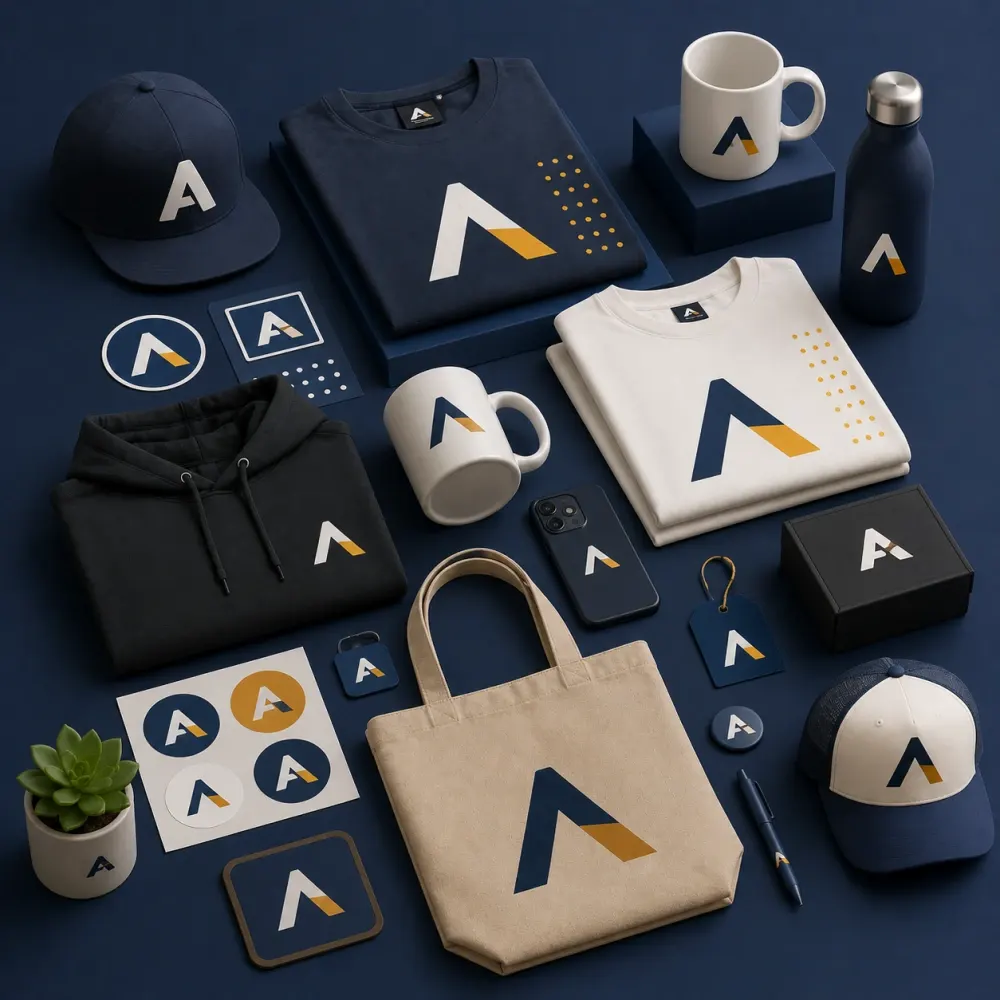
The bag someone chooses to carry again is the best advertising a brand can buy — so the artwork has to earn that second trip.
A bag leaves the shop with the customer and keeps travelling — to the office, the gym, the market, the train. Every one of those trips puts your brand in front of people who never walked into your store, which is why a bag deserves more thought than a logo dropped in the middle of a blank rectangle.
The surface fights back, though. Canvas drinks ink differently from coated paper. A gusset swallows a corner of the artwork. A handle can cover the one line of text that mattered. A fold can split a word in half. We design with the finished, assembled bag in mind, not with a flat rectangle on a screen.
DesignBub designs tote and carry-bag artwork for retailers, cafés, fashion labels, event organisers, publishers, charities and product brands. The work covers canvas totes, paper shopping bags, reusable shoppers, gift bags, event bags and merchandise totes — each one planned around its own size, material and decoration method.
We start from the physical object. Tell us the bag’s dimensions, the fabric or paper, the printable faces, the handle style and how it will be printed, and the artwork is built around those facts. A bag designed that way feels like it belongs to the brand instead of borrowing its logo for a day.
A single-bag project can be as simple as one strong front graphic and a quiet reverse mark. A retail system can stretch across three sizes, front and back faces, side gussets and a matching tissue or gift wrap. Both start the same way: we agree what the bag has to do, then decide how much artwork it needs.
The creative scope can include a hero illustration, a repeat pattern, a typographic statement, a monogram treatment or a campaign graphic. Production scope covers the supplier template, safe areas, colour preparation for the chosen print method, and mockups that show the bag as it will actually look when it is carried.
If your supplier has already sent a template or dieline, we build directly on it. If the bag is still being sourced, we can develop the visual direction first and lock the production files once the manufacturer confirms the final dimensions — so the artwork never has to be squeezed into a template it was never drawn for.
A tote gives you a big, honest surface, and that is exactly what makes it tricky. The graphic is seen from a metre away, while the bag swings, while it is half full of shopping. A small centred logo can disappear at that distance; a huge graphic can feel like a billboard. We find the scale that reads clearly without shouting.
Placement matters as much as size. Artwork that sits too high hides under the handles. Artwork that sits too low disappears behind whatever the bag is carrying. We position the graphic for the carried bag, then check it again on natural canvas, black fabric and bright colours, because the same artwork behaves differently on each.
A custom tote can carry a single bold statement, an original illustration, a repeat pattern or a quiet brand mark. Tell us whether the tote is a giveaway, a retail item or a keepsake, and the direction will follow — a giveaway can be louder, a retail tote has to feel worth paying for.
A shopping bag is the final moment of the retail experience. The customer walks out holding it, and everyone they pass reads it. That makes the bag a small piece of the shop itself — it should feel connected to the products inside, the till receipt, the tissue paper and the storefront they just left.
Different shops need different bags. A fashion boutique may want a restrained mark with generous empty space. A bookshop may want a playful illustration. A delicatessen may want something warm and full of appetite. We shape the bag around the shop’s character, not around a generic retail template.
We also design for the bag’s construction. Handles, folds, glue lines and gussets all take up space that artwork cannot use. When the printer offers several sizes, we build a coordinated set so the small bag and the large bag read as one family instead of two unrelated designs.
Paper holds finer detail than fabric, so a paper bag can carry sharper typography, delicate patterns and more intricate graphics. That freedom comes with a catch: the bag is built from folds, gussets and glue zones, and every one of them eats into the space your artwork can safely use.
We work on the flat dieline and the folded bag at the same time. A pattern can run across panels so it feels continuous once the bag is assembled. A front mark can stay deliberately simple while the side panels carry a second detail. The choice depends on the product and on how the bag will be seen on the shelf or in the street.
Stock and finish change the result, too. Kraft, coated, matte and textured papers each take ink differently, and foil or embossing needs its own artwork preparation. Your supplier should confirm the material and finishes before we finalise the production files, so the design is built for the paper it will actually be printed on.
A reusable bag is used again and again, which changes what should go on it. A date, a discount code or a seasonal offer goes stale fast — and a bag with stale information gets left at home. A strong graphic, a short brand line or a simple pattern stays relevant for years, and that is what keeps the bag in rotation.
We design reusable artwork for canvas totes, non-woven shoppers and other supplier formats, adjusting detail and colour count to the material and the print method. Bold shapes and clean type survive repeated washing and folding far better than fine, fussy detail.
If you want the bag to say something about the material — recycled, reusable, made from natural fibres — the claim has to be true of the actual bag your supplier provides. We can give the design an honest, natural feel without dressing it up as an environmental promise the product cannot support.
Exhibition and conference bags are handed out by the dozen, and most of them end up forgotten in a hotel room. The ones that survive have one clear idea — a memorable line, a striking illustration, a graphic worth looking at twice. Making the logo bigger is rarely that idea.
We tie the artwork to the event theme while keeping your brand intact. Sponsor marks, dates and practical information can be included where they are required, but they sit in a clear hierarchy so the bag never turns into a crowded noticeboard. You supply the final sponsor names and approved logos; we make sure they do not drown the design.
For events that return each year, we can build a repeatable system — the same structure and brand language, with a fresh graphic or colour each edition. The bag feels current, the event stays recognisable, and returning visitors start to collect them.
A free promotional bag only has to be acceptable. A merchandise tote has to be desirable — somebody is choosing to spend money on it, so the artwork needs value of its own. That is why merchandise totes lean on original graphics, illustration and typography rather than a logo stretched across the front.
The brand mark can step back and let the artwork lead. A small logo on the reverse or a discreet mark under the handle can be more confident than a giant logo on the front. This works particularly well for cafés, bookshops, galleries, artists and lifestyle brands whose customers buy the tote because they like the design.
We can create a single hero tote or a small related collection. When several designs share a range, we hold them together with a common colour palette, type style or illustration language, so the collection looks intentional on a shelf instead of like a random assortment.
A premium bag rarely needs more decoration — it needs more control. One strong mark, careful spacing and the right material usually say more than several competing elements. We design luxury bags for fashion, jewellery, beauty, gifting and fragrance brands where restraint is part of the product.
The direction might be a single monogram, a quiet wordmark, a subtle repeat or a foil-ready treatment. Foil, embossing, debossing and spot finishes all need their own artwork preparation, and we build those files once the supplier confirms what the press can actually do.
We stay honest about the limits. The designer controls the artwork; the printer controls the stock, the finishing and the final physical result. A good luxury bag comes from both sides doing their part well, not from a mockup that promises more than the press can deliver.
Scale changes everything. On a wide tote, a logo sized for a letterhead looks lost. Put it too high and the handles fall across it. Put it too close to the edge and a seam swallows the corner. A long wordmark and a compact symbol need completely different treatment on the same bag.
We test the mark inside the actual printable area and think about how the bag is seen — carried at the side, slung over a shoulder, hanging on a hook. Sometimes the full logo is right. Sometimes the symbol alone carries more weight. Sometimes a small reverse mark supports a larger front illustration.
The point is never to make the logo as large as possible. It is to place it where it feels deliberate, at a size the bag can actually carry, so the branding reads as a decision rather than an afterthought.
Fabric and paper do not behave like screens. Fine strokes can disappear into a rough weave. Tight letter spacing can fill in during printing. Long sentences are almost never read on something that swings at someone’s side. We choose type size, weight and line length for the material and the distance it will be read from.
A short statement can carry large display type. Supporting detail — a website, a tagline, a care note — needs enough weight to survive the print method. If your brand typeface cannot reproduce clearly at the size the bag needs, we adjust the treatment while keeping the brand’s character intact.
Licensing matters too. A font that looks right on your website may not be licensed for commercial print, so the client should supply approved fonts or confirm the licence covers the intended production run.
Patterns are one of the strongest tools for bags because the surface is large and mostly flat. A repeat built from icons, monograms, product drawings or abstract shapes can make even a simple tote feel designed. The trick is scale: a repeat that looks refined on a label can become frantic across a full tote panel.
We build seamless repeats or controlled one-off compositions, and we can let the side gussets carry a secondary pattern while the front stays calm. For a set of bag sizes, we adjust the pattern scale for each size rather than stretching the same file, so every bag feels designed for its own surface.
A pattern also connects the bag to the rest of the brand. The same repeat can run across wrapping paper, tissue, boxes and gift cards, so the customer’s whole purchase feels like one considered package.
An original illustration gives a tote a reason to be kept. It works especially well for cafés, food brands, festivals, bookshops, galleries and lifestyle businesses — places where the bag can carry a little of the brand’s personality instead of just its name.
The style has to match the print method. A bold one-colour drawing suits screen printing beautifully. A detailed full-colour illustration may need a digital process. The bag colour matters too: the fabric or paper can become part of the picture rather than just a background to print over.
Illustration takes more creative time than a logo-led tote, so we scope it as its own piece of work. If the artwork includes people, characters or cultural references, the client should confirm the rights are cleared for commercial use before we start.
Screen printing loves bold shapes, flat colour and clean type. Heat transfer can carry more detail on the right material. Digital printing opens up fuller colour on suitable fabrics. Sublimation needs compatible materials and behaves very differently from printing on natural cotton. None of them is universally best — each one suits a different kind of artwork.
Paper bags bring their own options: offset, flexo, digital and specialty finishing, each with its own limits on colour, line weight and setup. We never assume a method. We ask the supplier what they plan to run, then adapt the artwork to it.
That is the honest order of work. Design first for the idea, then prepare the files for the confirmed process — not the other way round.
A dieline shows where a bag folds, cuts, glues and stays visible once it is assembled. Paper shopping bags and custom formats usually need a full dieline; a fabric tote often works from a simpler printable rectangle or a supplier template. Either way, the artwork has to respect it.
We always prefer the manufacturer’s actual template, because two bags that look the same size can have different fold positions, handle holes and stitch lines. Once we have it, we keep important content inside the safe areas and away from anything that will be folded, glued or stitched.
If the supplier changes the specification after the design is approved, the artwork will need adapting. Small changes can usually be handled inside the agreed scope; a substantially different template may need to be priced separately.
Mockups are how a team agrees on a bag before anything is printed. They work for internal sign-off, for showing a client the concept, for ecommerce listings and for campaign previews. We can supply presentation mockups as part of a package or on their own.
A digital mockup is still a picture of a bag, not the bag itself. It cannot promise the exact texture of the fabric, the density of the ink, the shine of the foil or the true printed colour. Those things depend on the stock, the press and the finishing.
For an important run, ask the printer for a physical sample or proof where one is available. We use mockups to communicate the design; the manufacturer confirms the physical result.
It starts with the bag itself. You send the type, size, material, supplier template if you have one, the planned print method, your brand files and the copy the bag needs to carry. We also ask how the bag will be used, because a retail bag, a merchandise tote and an event giveaway are three different design problems.
Then we develop the direction — logo scale, typography, graphics, colour and how the artwork sits on the bag’s surface. Projects with patterns or illustration get the extra concept work those elements need, and everything is tested on the bag’s real proportions.
You review the direction and send consolidated feedback. We refine within the agreed revision scope, and once the final supplier template is confirmed we build the production layout and check every element against the printable area.
You receive the agreed print-ready files, source files where included, and presentation mockups. The printer stays responsible for final settings, materials, colour proofing, finishing and manufacturing.
A project can cover tote graphics, shopping bags, paper bags, reusable bags, gift bags, promotional bags, event bags, retail carry bags and coordinated bag systems — plus custom typography, illustration, pattern work, front and back layouts, colourways, supplier-template setup, production artwork and mockups.
The right scope follows the physical item. One logo-led canvas tote is a smaller job than a fully illustrated merchandise range. One paper bag size is a smaller job than a retail system with three sizes, side-panel graphics and foil finishing.
We scope around the real item instead of pricing every bag as if the work were identical. Printing, manufacturing, blank bag costs, minimum orders, shipping and supplier charges stay separate unless a quotation specifically includes production coordination.
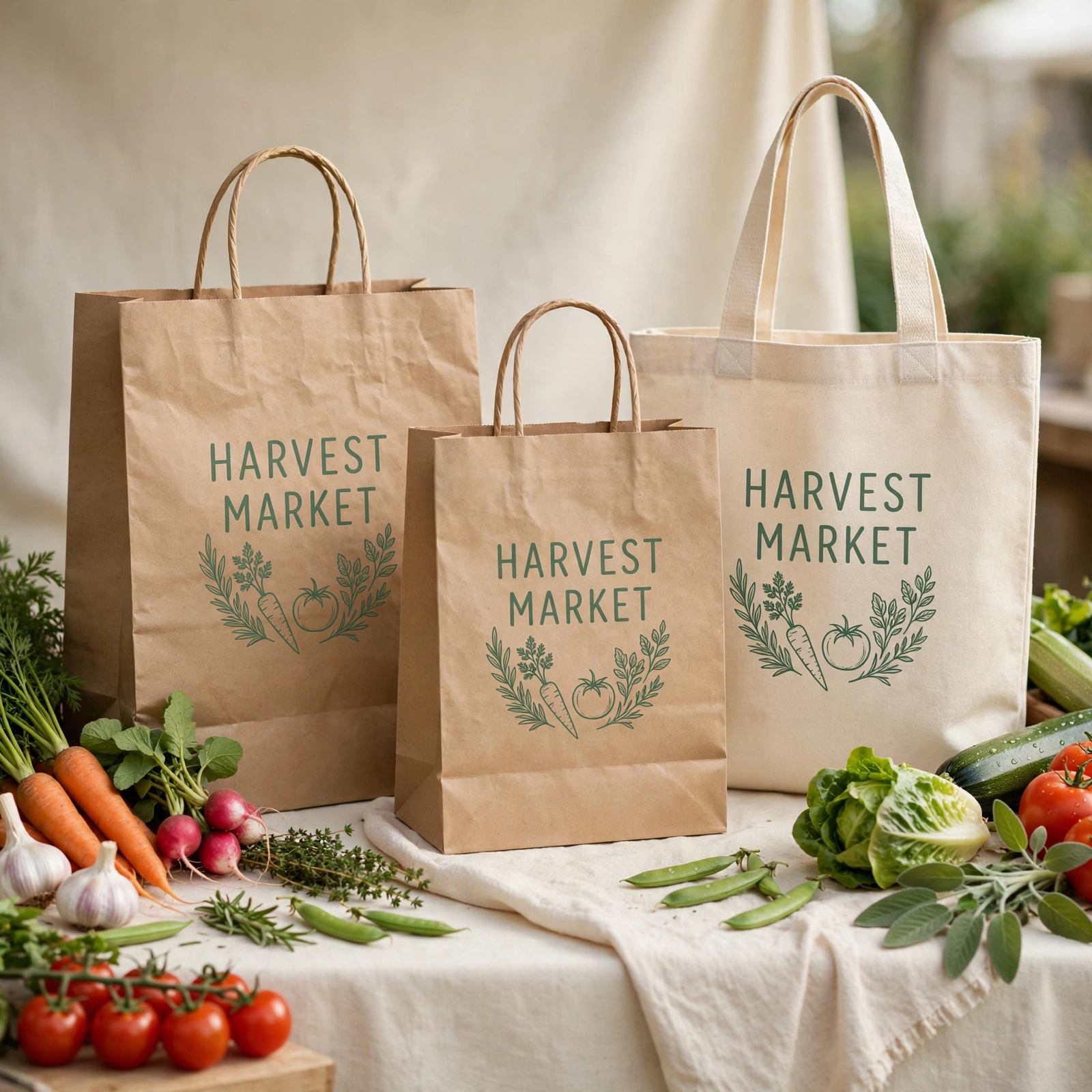
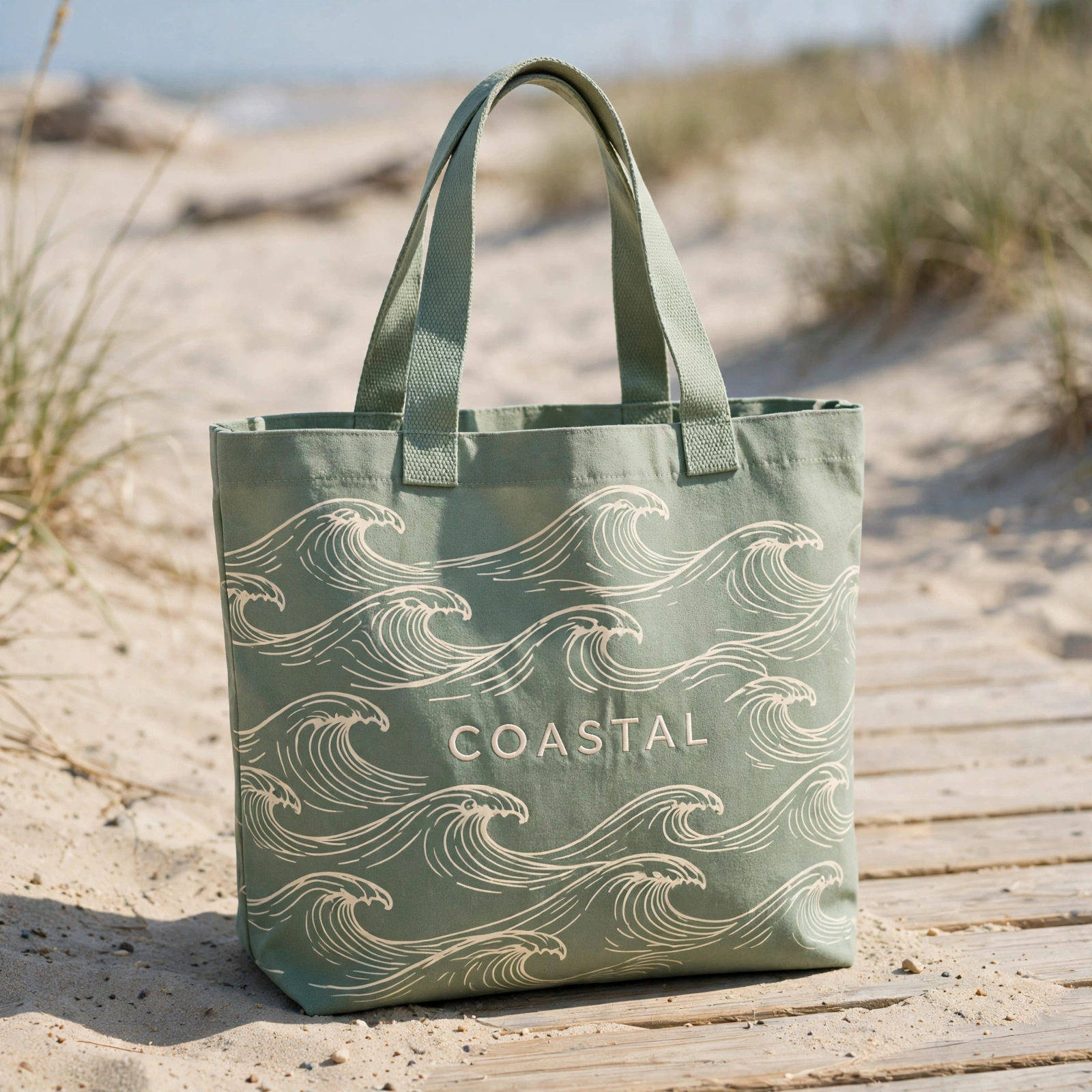
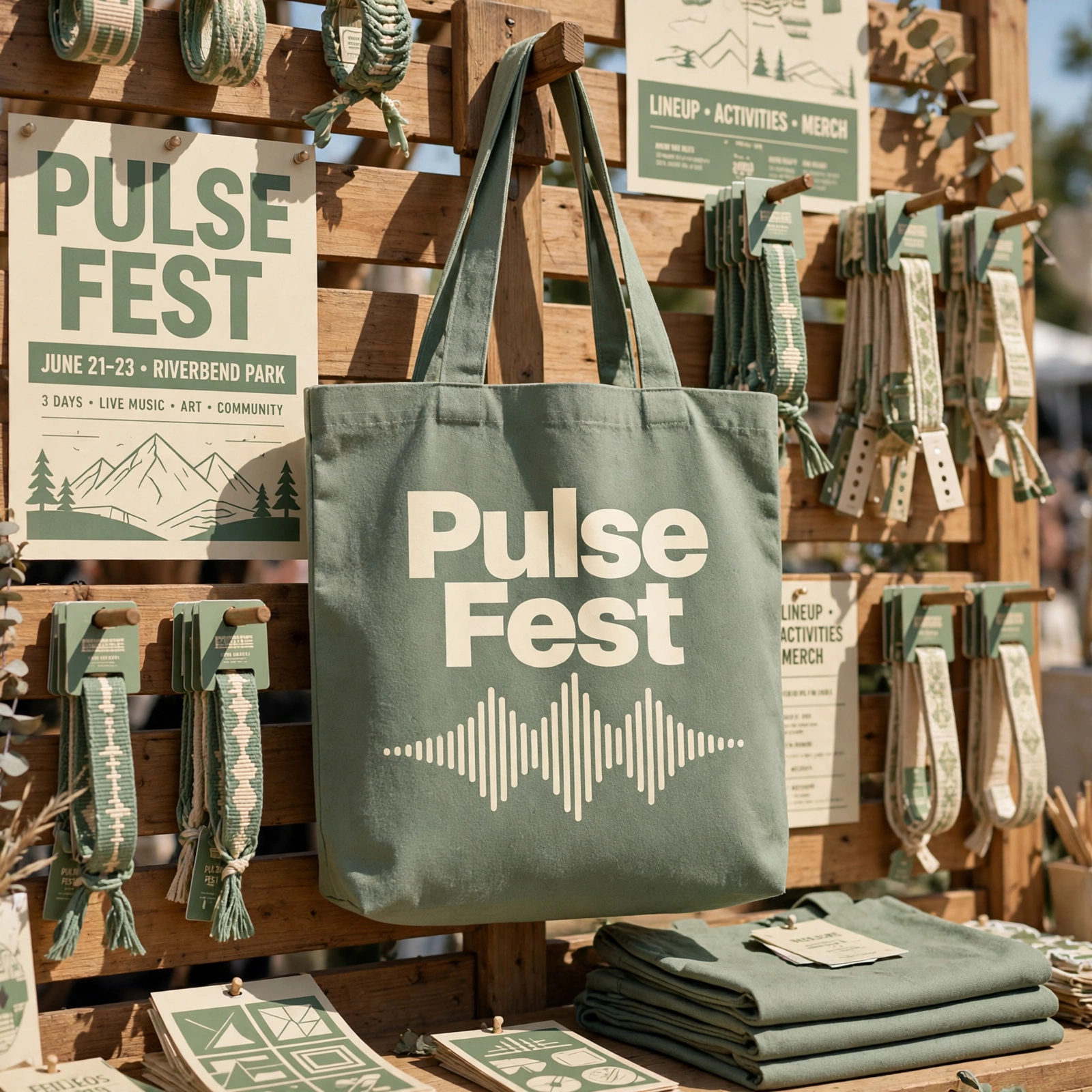
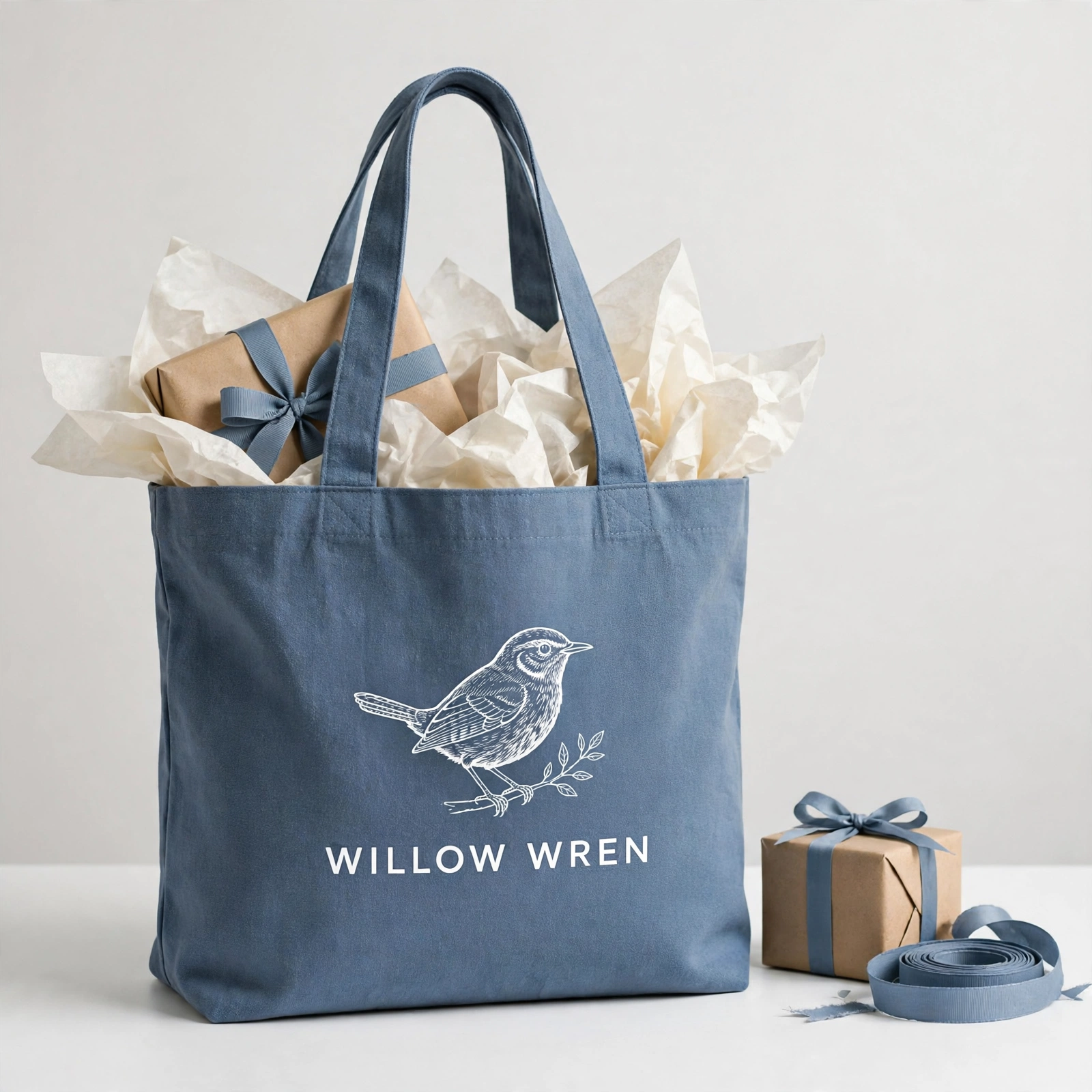
Recent tote and shopping-bag directions — botanical, luxury, grocery, reusable, event and gift — each drawn for its own material, size and print method.
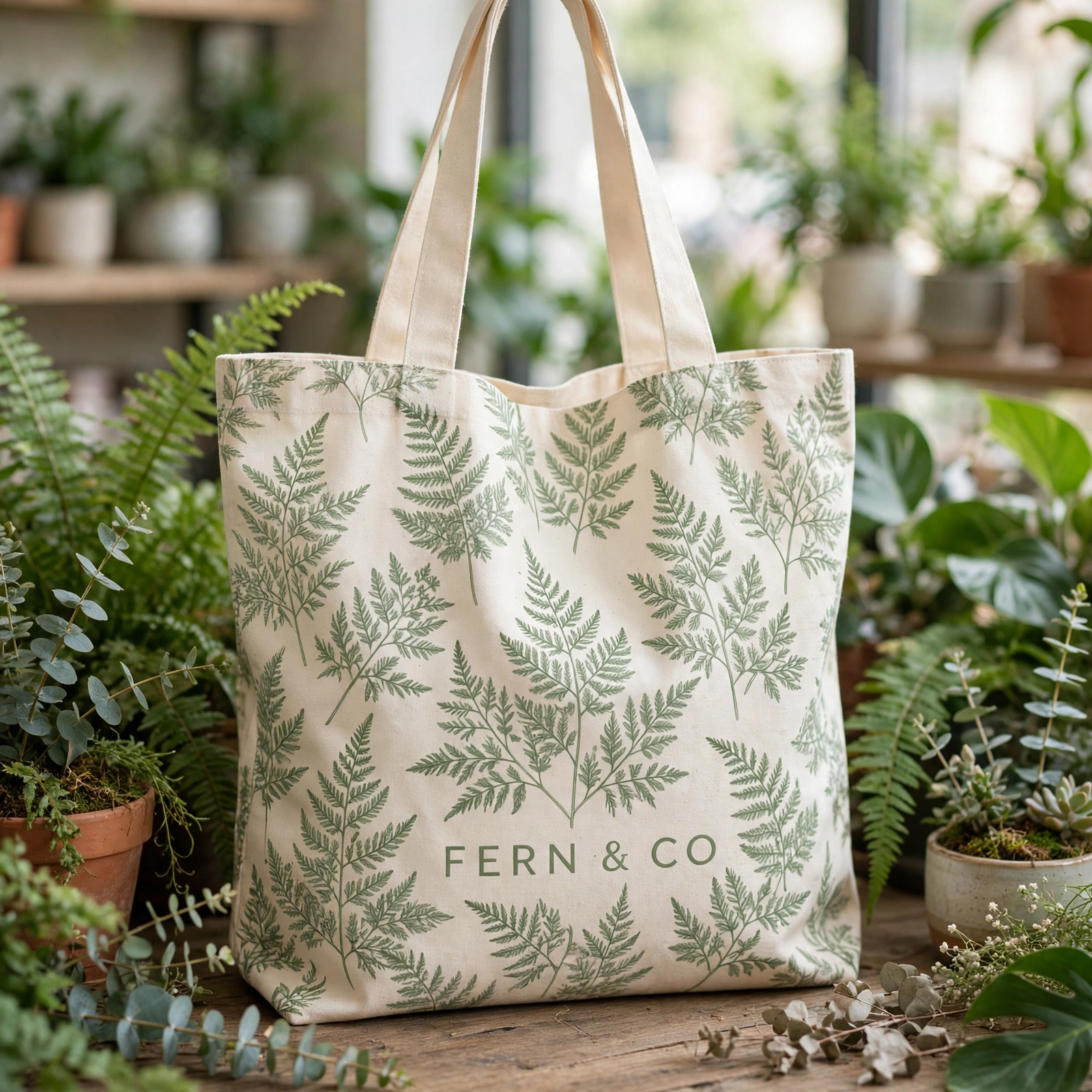
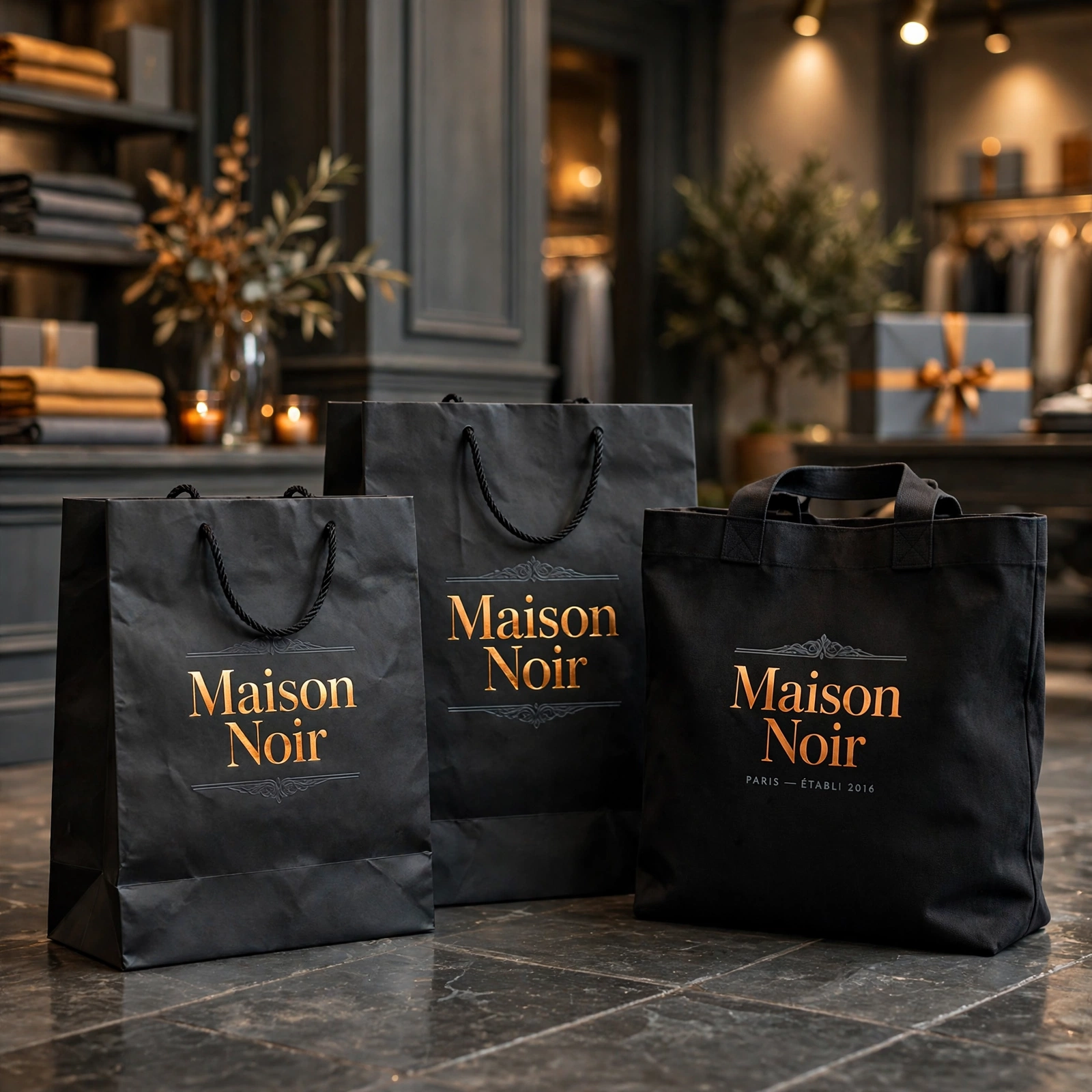
These are starting prices for design work. Final cost depends on the bag type, artwork complexity, number of sides, size variants, illustration and supplier requirements.
Use these starting rates when you do not need a full package.
Scope note: Printing, manufacturing, blank bag cost, minimum order quantities, shipping, samples, specialty finishes, premium stock assets, font licenses, third-party illustration rights and supplier charges are separate unless specifically included. Final production artwork requires confirmed dimensions or a supplier template. Digital mockups are visual previews and do not guarantee the exact physical material or print result.
A bag sits exactly where branding meets production. The artwork has to look strong, but it also has to fit a real object with seams, folds, handles and print limits. We consider both sides from the beginning, so the design never has to be rescued at the printer’s door.
We look at the brand, the purpose of the bag, the material, the visible surfaces, the print method and the supplier’s requirements before we draw. That is how artwork ends up feeling intentional instead of enlarged from a business card.
We also keep the promises realistic. We prepare professional artwork and print-ready files from confirmed specifications, but the final physical result depends on the printer, the material, the inks, the finishing and the proofing process — and we will always say so plainly.
Answers on bag formats, supplier templates, print-ready files and what a bag project costs.
The bag type, size and material, your supplier’s template or dieline if you have one, the planned print method, your logo and brand files, and the copy the bag should carry. If the supplier has not confirmed dimensions yet, we can start the visual direction and finalise the production files once the template arrives.
Yes. We build coordinated bag systems across sizes, adjusting the artwork and pattern scale for each size so the small and large bags read as one family rather than the same file stretched to fit.
Yes. We can prepare artwork for foil, embossing, debossing and spot finishes once your supplier confirms the technical requirements. The printer remains responsible for the physical finishing result.
Yes. Final artwork is prepared to the confirmed supplier template, print area and production method, with print-ready PDF and editable source files according to the package you choose.
Our standard scope is design and production artwork. Printing, blank bags, minimum order quantities, shipping and supplier charges stay separate unless your quotation specifically includes production coordination.
Send the bag size, material, supplier template, print method and brand assets. We will turn them into artwork that looks right on the street — and a file your printer can run without a round of fixes.