



















">

Custom App Development Services for Businesses

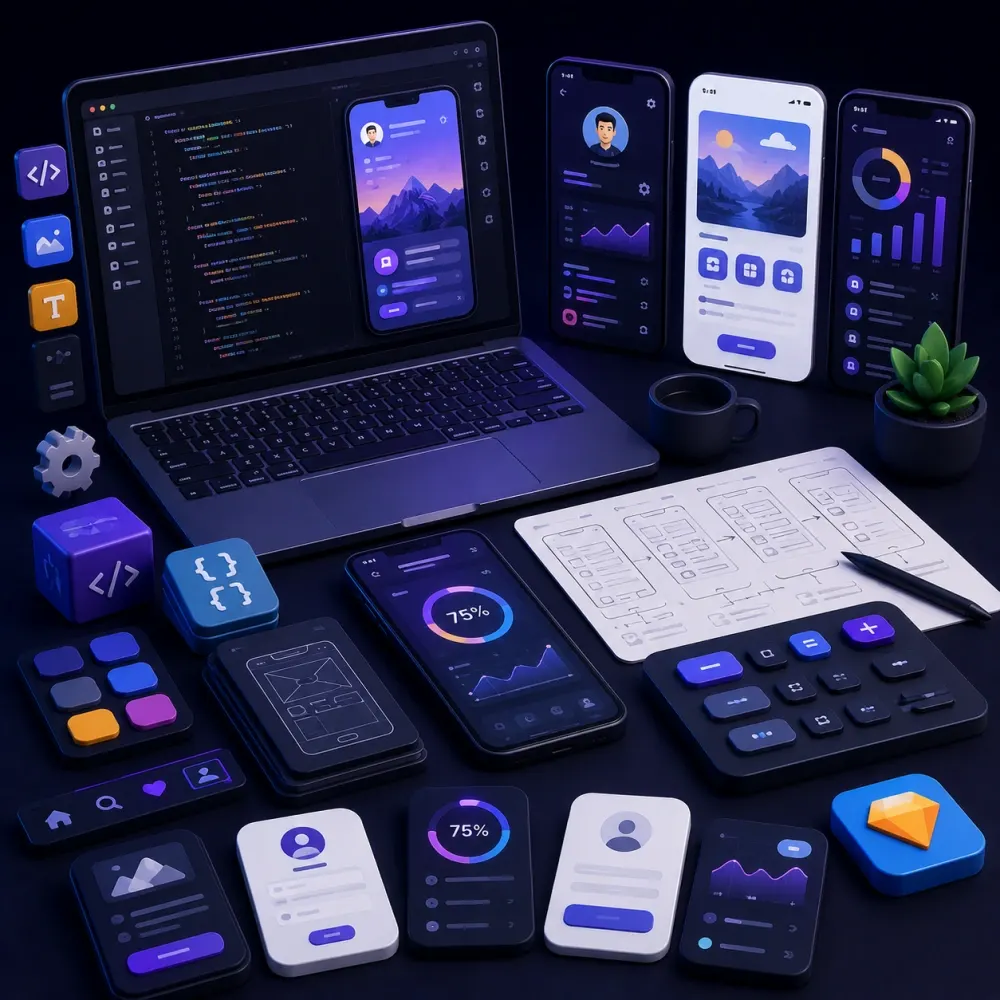
DesignBub plans, designs and develops custom mobile applications for startups, businesses and product teams. From iOS and Android apps to cross-platform products, MVPs, backend systems and integrations, we build around the user journey, business rules and technical requirements instead of forcing every project into the same template.

iOSApple App Development
AndroidMobile Product Development
MVPFocused First Release
Mobile app development interface
Custom mobile app product design
Plan β€’ Design β€’ Build

Product discovery, mobile UI/UX, application development, backend systems, testing and launch preparation in one coordinated process.

Selected Brands & Businesses We Have Designed For
Asset 38 brand logo Asset 4 brand logo Asset 45 brand logo Asset 46 brand logo Asset 47 brand logo Decent Solar logo Dentesthetix logo Gazal Lounge logo GH Landscape logo Asset 38 brand logo Asset 4 brand logo Asset 45 brand logo Asset 46 brand logo Asset 47 brand logo Decent Solar logo Dentesthetix logo Gazal Lounge logo GH Landscape logo
Ghazoor logo Goodluck Trader logo Kingsley logo Lahoris logo MOI logo Naqaa Salt logo Nature Hug logo Netsole logo Ghazoor logo Goodluck Trader logo Kingsley logo Lahoris logo MOI logo Naqaa Salt logo Nature Hug logo Netsole logo
Nexcell Energy logo Roots logo Sheikh logo Shellbee logo Softcore logo Solvac Lifesciences logo Trendex logo Zameenex logo Nexcell Energy logo Roots logo Sheikh logo Shellbee logo Softcore logo Solvac Lifesciences logo Trendex logo Zameenex logo
App Development Overview

A useful app needs more than polished screens.

A mobile application has to connect user experience, business logic and technology. People should be able to open the product, understand what it does and complete important actions without unnecessary friction. Behind the interface, data, permissions, integrations and administrative tools need to work in a way the business can manage.

DesignBub provides app development services for teams that need a custom digital product rather than a collection of disconnected screens. We can help define the product, map user journeys, design the interface, develop the mobile application, connect backend services and prepare the release for testing and launch.

Some clients arrive with detailed requirements. Others have an idea, a manual process or an existing product that needs improvement. Our starting point is the same: identify who will use the app, what they need to accomplish, what data moves through the system and which features belong in the first version.

Good custom app development is not about adding the maximum number of features. It is about building the right features around a clear purpose and leaving a practical path for later improvement.

Mobile Platforms

iOS, Android and cross-platform app development.

The right technical approach depends on product requirements, supported devices, performance needs, integrations, budget and how the app is expected to evolve.

iOS App Development

iOS app development focuses on applications for Apple devices such as iPhone and, where required, iPad. The experience should feel appropriate for the platform while still expressing your brand.

Projects can include accounts, subscriptions, payments, push notifications, maps, media uploads, real-time data and other supported device features. Where a native approach is appropriate, technologies such as Swift may be considered; other products may use a cross-platform framework.


Android App Development

Android app development needs to work across a wider range of devices and screen sizes. Layouts, navigation and important actions should remain usable across the supported device range.

Depending on scope, an Android application can include authentication, profiles, payments, location services, notifications, offline behavior, dashboards and integrations. Native Android projects may use Kotlin, while other products can use a shared-code approach.

Cross-Platform App Development

Cross-platform app development allows much of the product to be built from a shared codebase for iOS and Android. This can simplify delivery and ongoing maintenance when the feature set is similar across both platforms.

Cross-platform is not automatically the right answer for every application. Products with unusual hardware requirements, heavy platform-specific behavior or particular performance demands may benefit from native development.

Native or Cross-Platform?

We compare the product requirements rather than choosing a framework because it is fashionable. Platform features, team needs, future roadmap, integrations and maintenance all matter.

A focused MVP may benefit from shared development, while a platform with specialized device behavior may justify a native approach. The recommendation should come from the product, not the keyword.

iOS and Android mobile app development
Shared Code Options

Flutter App Development

Flutter app development can be suitable for products that need a consistent interface across iOS and Android while sharing much of the codebase. It can work well for startup products, booking systems, ecommerce apps, dashboards and business applications where the core functionality is similar on both platforms.

The framework is only one part of the product. Information architecture, APIs, databases, authentication and user experience still need to be planned correctly. A poorly scoped app does not become a strong product simply because it uses a modern framework.

  • Shared mobile product structure where appropriate
  • Reusable interface components across supported platforms
  • Backend and API planning included in the wider architecture
  • Technology selected after requirements are understood
React Native mobile application development
Cross-Platform Engineering

React Native App Development

React Native app development is another option for products that need a shared approach across iOS and Android while retaining access to mobile functionality. It may be suitable when the wider technology environment, team requirements or product roadmap fit that ecosystem.

Whether React Native, Flutter or native development is more appropriate depends on the application. We prefer to make that decision after product discovery so the framework supports the experience rather than limiting what the product can become.

  • Cross-platform architecture for suitable products
  • Mobile interface and component planning
  • Third-party service and API integration
  • Maintainability considered during technical planning
App Development Services

From product definition to backend, integrations and launch.

Each application needs a different combination of design and engineering. We define the scope around the actual product instead of treating every project as the same package.

01

Custom App Development

Custom mobile products built around your users, workflows, business rules and integrations when an off-the-shelf platform does not fit the requirement.

Custom Product
02

MVP App Development

A focused first release for startups and new products, centered on the core user journey so the idea can be tested before the roadmap becomes unnecessarily large.

MVP
03

App UI/UX Design

User flows, wireframes, interface design and reusable components that define how people complete important tasks before engineering begins.

UI/UX
04

App Prototyping

Clickable prototypes for important journeys such as onboarding, booking, checkout or account management to help review the product before full development.

Prototype
05

Backend Development

Backend services, databases, authentication, permissions, business logic, storage and notifications for products that depend on server-side systems.

Backend
06

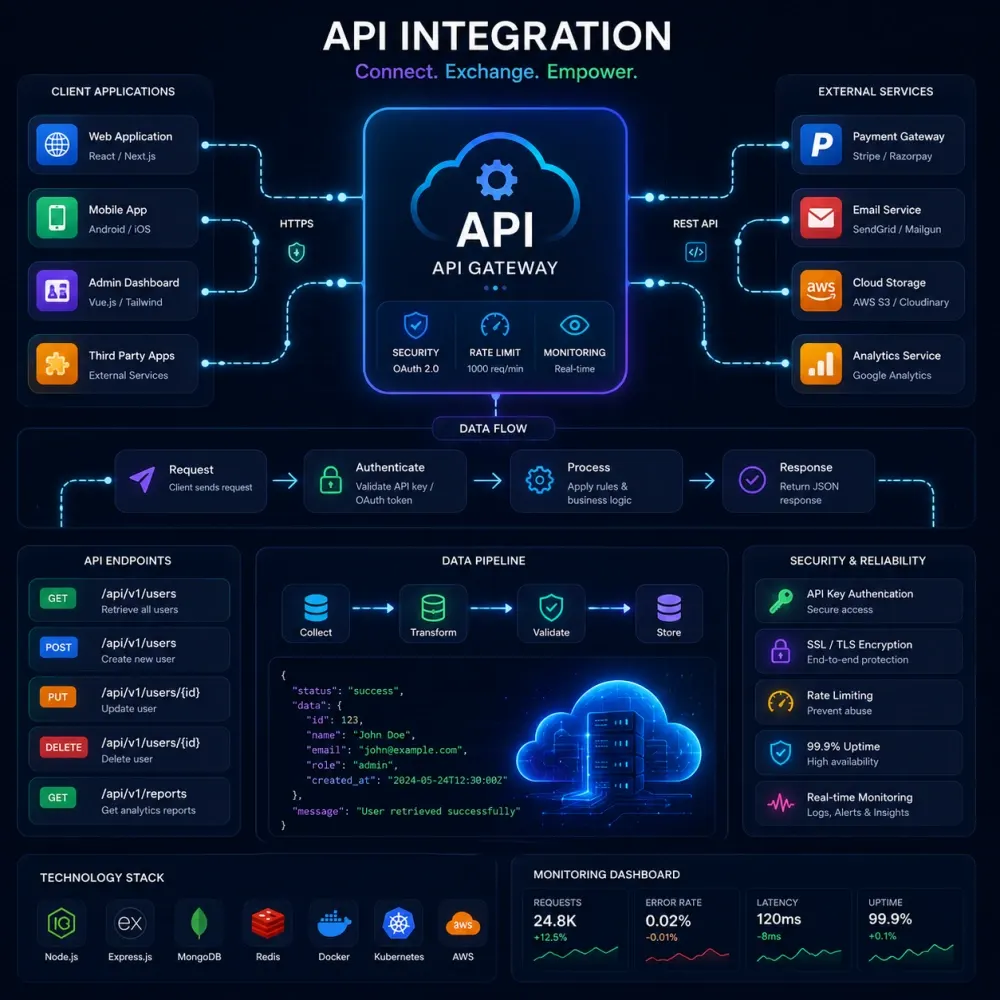
API Integration

Supported integrations for payments, maps, CRM systems, analytics, messaging, inventory or other services based on available APIs and account access.

Integrations
07

Admin Panel Development

Administrative dashboards for authorized teams to manage users, content, products, orders, bookings, subscriptions, reports and other application records.

Admin
08

App Store Preparation

Production build and submission support can be included for Apple App Store and Google Play, subject to the policies and approval process of each platform.

Launch
09

App Maintenance

Post-launch maintenance can include bug fixes, compatibility work and agreed technical support, while larger new features are estimated separately.

Support
Product Planning

Custom app development starts with the workflow.

Off-the-shelf software is useful when the business process already fits the product. There is no reason to build custom software simply because custom development sounds more advanced.

Custom mobile app development becomes valuable when the product needs specific user roles, integrations, workflows or experiences that standard software cannot support cleanly. A custom app can be shaped around customers, staff or partners rather than forcing those users into the structure of an unrelated platform.

MVP app development for new products

An MVP is not a low-quality version of the final application. It is a focused release that tests the most important assumption with fewer features. A marketplace MVP, for example, may begin with registration, listings, search, enquiries and essential administration before adding advanced recommendations, loyalty tools or secondary modules.

The first release should still be stable and understandable. The difference is disciplined scope, not unfinished execution.

Experience Design

App UI/UX before engineering.

Development should not begin with a collection of unrelated screens. App UI/UX design maps how users move through the product before technical implementation makes those decisions more expensive to change.

We look at onboarding, navigation, account creation, forms, empty states, errors, confirmations and the main tasks the application exists to support. Wireframes clarify structure first; the visual interface then defines typography, color, spacing, components and interaction states.

Mobile app prototyping

A prototype can help founders, stakeholders or users understand the experience before full development. It can also reveal confusing workflows. A process that sounds simple in a written brief can become obviously difficult once someone tries to move through the screens.

Correcting that problem during design is normally easier than rebuilding completed functionality later.

Types of Apps We Can Plan

Different products need different rules, users and technical structures.

The following are examples of product types that can be scoped through our app development services. The final feature set always depends on the actual business model and workflow.

Ecommerce Apps

Product browsing, search, cart, checkout, accounts, order history and connections with supported ecommerce or inventory systems.

Marketplace Apps

Products with customers, sellers or service providers, where listings, permissions, payments and platform rules need careful planning.

Booking Apps

Appointment and resource scheduling with availability, reminders, rescheduling, cancellation rules and supported payment workflows.

On-Demand Service Apps

Customer requests, provider workflows, assignments, location data, status updates and administration for service-based platforms.

Business Apps

Internal tools for staff, field teams, approvals, inspections, inventory, tasks or other repeatable operational workflows.

Membership Apps

Plans, recurring access, account status and feature permissions for subscription or membership-based products.

Customer Portals

Secure mobile access to accounts, documents, service information, bookings, requests or other customer-specific data.

AI-Enabled Apps

Selected AI features such as conversational interfaces, summarization, search assistance or document processing where they solve a defined product need.

Behind the Interface

Backend development, APIs and admin systems.

Many mobile applications depend on systems users never see. The backend can manage accounts, permissions, orders, files, messages, subscriptions, notifications and other application data.

Backend development can include database structure, authentication, APIs, business rules, storage and reporting. These systems should be planned alongside the mobile interface rather than added after the frontend is already complete.

API and third-party integrations

Applications may need to connect with payment providers, maps, authentication, CRM platforms, analytics, messaging, shipping, inventory or other business tools. Before an integration is promised, we review what the external service actually supports. Some APIs have restrictions, additional fees or approval requirements that affect the product design.

Admin panel development

An admin panel gives authorized staff a practical place to manage the application. Different roles may need different permissions. A support employee, for example, might be allowed to view customer requests without being able to change billing or platform settings.

App Development Process

A structured path from product idea to launch-ready application.

The exact workflow changes by project, but the stages below keep product, design and development decisions connected.

01

Discovery

We review users, product goals, platforms, existing systems and the business problem the app needs to solve.

02

Feature Scope

Core functionality, user roles and first-release priorities are separated from secondary roadmap ideas.

03

User Flows

Important journeys are mapped so navigation, actions and information requirements are understood early.

04

UI & Prototype

Wireframes become polished mobile interfaces and, where useful, an interactive prototype for review.

05

Architecture

Frontend, backend, database, APIs and external services are planned around the approved scope.

06

Development

The application, backend and agreed integrations are developed in reviewable stages.

07

Testing

Core workflows, validation, permissions, integrations and supported-device behavior are reviewed before launch.

08

Launch

Approved production builds and agreed store-submission or deployment support are prepared.

09

Improve

Post-launch data and user feedback can guide later fixes, compatibility work and new feature development.

App Performance and Reliability

Users notice slow startup times, frozen screens and failed actions quickly. Performance needs to be considered throughout mobile app development, including network requests, media, state handling and the behavior of important flows when connections are poor.

Reliability also means communicating errors clearly. If an action fails, the user should know what happened rather than wondering whether a payment, booking or form submission was completed.

Security and User Permissions

Security requirements depend on the information the product handles. Projects may need authentication, encrypted communication, secure credential handling and role-based permissions.

Applications in regulated or high-impact industries may require specialist legal, security or compliance review beyond normal development scope. We do not present general app development as a substitute for that specialist review.

App Store Deployment

Public mobile applications normally need to meet the requirements of the stores where they are distributed. Submission support can include production build preparation and the technical configuration included in the agreed scope.

Final approval remains controlled by Apple, Google or the relevant distribution platform. Additional changes can sometimes be requested during review, so store acceptance should never be presented as guaranteed.

App Maintenance and Support

Operating systems, devices, APIs and dependencies continue changing after launch. App maintenance services can help address bugs, compatibility issues and agreed technical support needs.

Major new modules or feature expansion are normally treated as new development. Defining maintenance responsibilities clearly prevents confusion about what is included after release.

After Launch

Analytics, feedback and product improvement.

Launching the application creates a new source of information: real user behaviour. Product analytics can help show where people drop out of onboarding, which features are used most often, where errors appear and which journeys deserve closer review. The exact analytics setup depends on the product, the data being collected and the privacy choices the business needs to make.

We treat post-launch data as input for product decisions rather than an excuse to add features continuously. A useful first release may show that one workflow needs simplification, that users need better guidance in a particular screen or that a feature originally considered essential is rarely used.

Where ongoing app development services are required, later work can be prioritized around verified issues and product goals instead of assumptions made before launch.

Product Roadmap

Plan the next release without rebuilding the first one.

A roadmap is useful when it separates current requirements from ideas that can wait. During discovery, we can identify which features belong in the first release and which should remain as later possibilities. This helps keep the initial product manageable while still considering how normal growth might affect the architecture.

Future releases may include additional user roles, integrations, reporting, new payment flows, expanded administration or platform-specific features. They should be added because they support a clear user or business requirement, not simply because the application can technically contain them.

This approach keeps mobile app development connected to product learning and makes it easier to estimate each later phase as a defined piece of work.

Build or Buy?

Custom development is not automatically the best answer.

No-code tools, templates and existing SaaS products can be excellent choices for straightforward requirements. A simple information product, early internal workflow or basic proof of concept may not need custom engineering.

Custom development becomes more appropriate when the application requires specialized business logic, deeper integrations, greater control, specific performance or an experience that cannot fit comfortably inside an existing platform.

Product Before Platform

We start with users, features and business rules before choosing the development stack.

Focused First Release

MVP scope can keep the first version centered on the product's most important job.

Connected Systems

Backend, APIs and administration are planned alongside the mobile experience.

Clear Boundaries

Third-party services, store approval and specialist compliance requirements are identified rather than overpromised.

Project Inputs & Deliverables

What helps us scope the app, and what the project can include.

What we need to start

You do not need a complete technical specification. Useful starting information includes what the app should help users do, who the main users are, whether you need iOS, Android or both, the most important features, similar products you have reviewed, existing software, required integrations, business model and any brand assets.

If some of those answers are not known yet, product discovery can help define them. The purpose of the early stage is to reduce uncertainty before development work becomes expensive.

Possible project deliverables

Depending on scope, a project can include discovery, feature planning, user-flow mapping, wireframes, mobile UI/UX, interactive prototypes, iOS or Android development, cross-platform development, backend services, databases, APIs, authentication, permissions, admin panels, payment integration, notifications, analytics, testing, production builds, store-submission support, source-code handoff and technical documentation where agreed.

The final list is confirmed before development because not every application needs every component.

Product Discovery
Feature Scope
User Flows
Wireframes
Mobile UI/UX
Interactive Prototype
iOS / Android Build
Cross-Platform Build
Backend & Database
Admin Panel
API Integrations
Testing & Launch Support
App Development Pricing

Starting packages for MVPs and custom mobile apps.

These USD packages give you a practical starting point. Final pricing is confirmed after we review the features, user roles, integrations and technical requirements.

MVP Starter

Focused First Release

$1,499starting at

For a focused MVP or simple business app with one clear user journey.

  • Cross-platform iOS & Android build
  • Up to 8 core app screens
  • One primary user role
  • Mobile UI/UX design
  • Basic authentication and backend
  • One third-party integration
  • Testing and store-submission support
Choose MVP Starter β†’
Advanced Build

Custom App Platform

$6,999starting at

For multi-role apps, marketplaces and products with more complex business logic.

  • iOS & Android application
  • Up to 30 core app screens
  • Multiple user roles and permissions
  • Custom backend and admin system
  • Up to 5 third-party integrations
  • Advanced workflows and notifications
  • QA, launch support and technical handoff
Discuss Custom Platform β†’

Prices are starting design and development fees in USD. App Store or Google Play accounts, hosting, paid APIs, third-party subscriptions, payment-provider fees, licensed assets and ongoing maintenance are separate unless specifically included in your quotation. Complex marketplaces, real-time systems, AI-heavy products or additional features are quoted after technical review.

Why DesignBub

App development works better when product, design and engineering stay connected.

A mobile product combines user experience, interface design, technical architecture, backend logic and business rules. Treating each of those as a separate decision can create avoidable problems later.

DesignBub approaches app development services from the product level. We consider what the user needs to accomplish, how the interface supports that task and what systems are required behind it. This helps keep design decisions realistic and technical decisions connected to the experience people will actually use.

We also believe scope clarity matters. More features do not automatically create a better app. A focused product that performs its core task well can be more useful than a larger platform filled with secondary functionality that has not been validated.

App Development FAQ

Common questions before starting a mobile app project.

These answers cover platforms, custom development, MVPs, UI/UX, backend systems, integrations, deployment, cost and post-launch support.

App development services cover the planning, UI/UX design, engineering, backend systems, integrations, testing and launch preparation required to build a working application. The scope can include iOS, Android, cross-platform development, APIs, databases, admin panels and post-launch support depending on the product.

Yes. We can develop applications for iOS, Android or both platforms. The recommended approach may be native or cross-platform depending on features, device requirements, performance expectations, budget and the product roadmap.

Native development uses technology built specifically for one operating system, such as Swift for iOS or Kotlin for Android. Cross-platform development uses frameworks such as Flutter or React Native to share more code between platforms. The right choice depends on what the application needs to do.

Yes. Custom mobile app development is suitable when the product needs specific workflows, user roles, integrations or functionality that cannot be handled well by an existing platform or template.

Yes. MVP app development can focus the first release on the most important user journey and core features so the product can be tested before investing in a much larger roadmap.

Yes. App UI/UX can include user flows, wireframes, screen design, reusable components and interactive prototypes depending on scope. Designing the experience before engineering helps identify workflow problems earlier.

Yes. Where required, the project can include backend services, databases, APIs and an admin panel for managing users, content, products, orders, bookings, reports or other application data.

Payment integration can be included when supported by the selected payment provider and platform. The correct setup depends on what is being sold and any applicable Apple App Store or Google Play requirements.

Often, yes. Integration depends on whether the existing platform provides suitable API access or another supported connection method. We review the technical requirements before confirming an integration.

Projects can use Flutter, React Native or native development depending on the product requirements. We select the technical approach after reviewing the features, platform needs and long-term roadmap rather than choosing a framework only because it is popular.

App-store submission support can be included in the project. Final approval is controlled by Apple, Google or the relevant distribution platform, so store acceptance cannot be guaranteed by a development provider.

Our app development packages start at $1,499 for a focused MVP, $3,499 for a fuller growth app and $6,999 for a more advanced custom app platform. Final pricing depends on features, user roles, backend requirements, integrations, platform needs and testing scope. Third-party services and ongoing maintenance are separate unless included in the quotation.

The timeline depends on scope and complexity. A focused MVP usually requires less development than a platform with multiple user roles, payments, messaging, an admin panel and several integrations. We confirm the schedule after product discovery and feature planning.

Source-code ownership and handoff are defined in the agreed project terms. We recommend making source-code access, third-party accounts, deployment responsibilities and any licensed components clear before development begins.

Yes. An existing application can be reviewed for UX, visual design or development improvements. The approach depends on whether the existing codebase is suitable for continued development or whether larger technical changes are required.

Post-launch maintenance can be arranged separately. It may include bug fixes, compatibility work and agreed technical support. New features and substantial product changes are normally estimated as additional development.

Turn your app idea into a working digital product.

A good app begins with understanding the user, defining the important workflows and deciding what the first version actually needs to do. DesignBub can help move the project from product planning through UI/UX, development, integrations, testing and launch preparation.