Brand Guidelines Design Services for Businesses
DesignBub creates practical brand guidelines, brand books and brand style guides that show your team exactly how to use logos, colors, typography, imagery and supporting visual elements across real business communication.
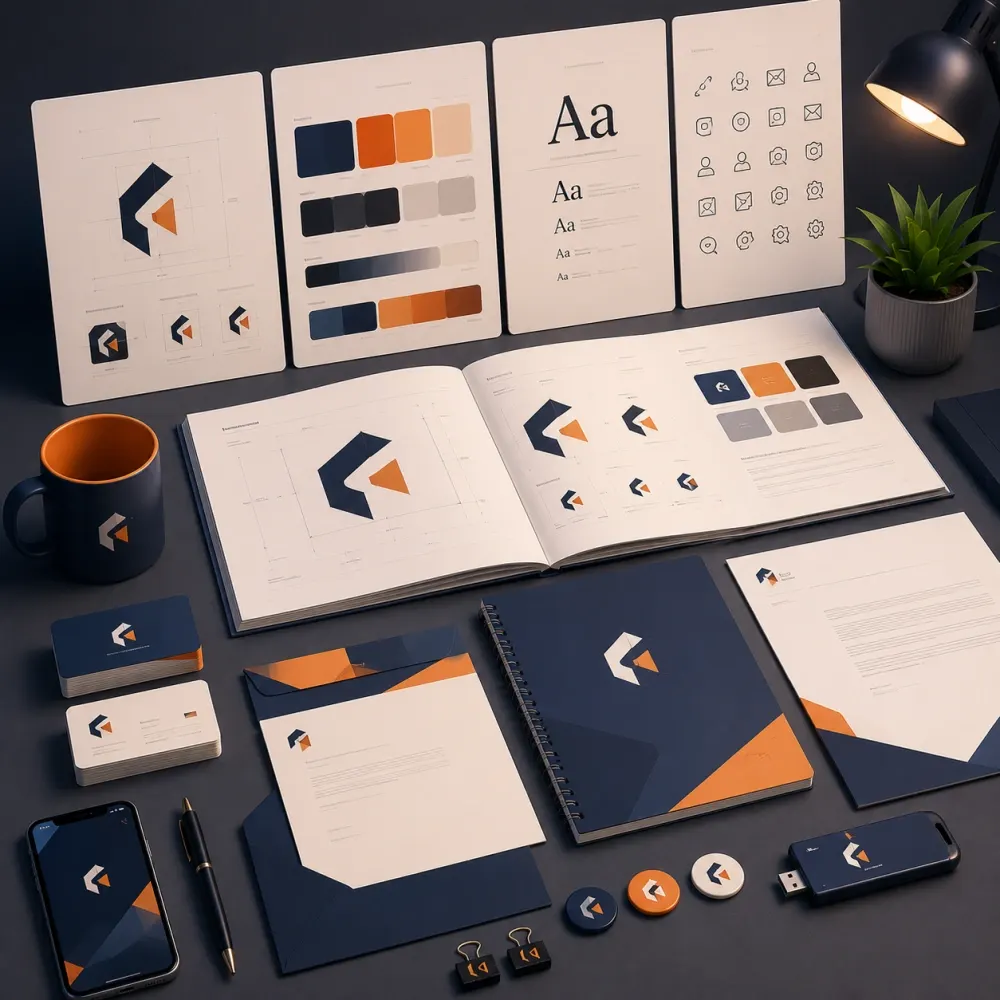
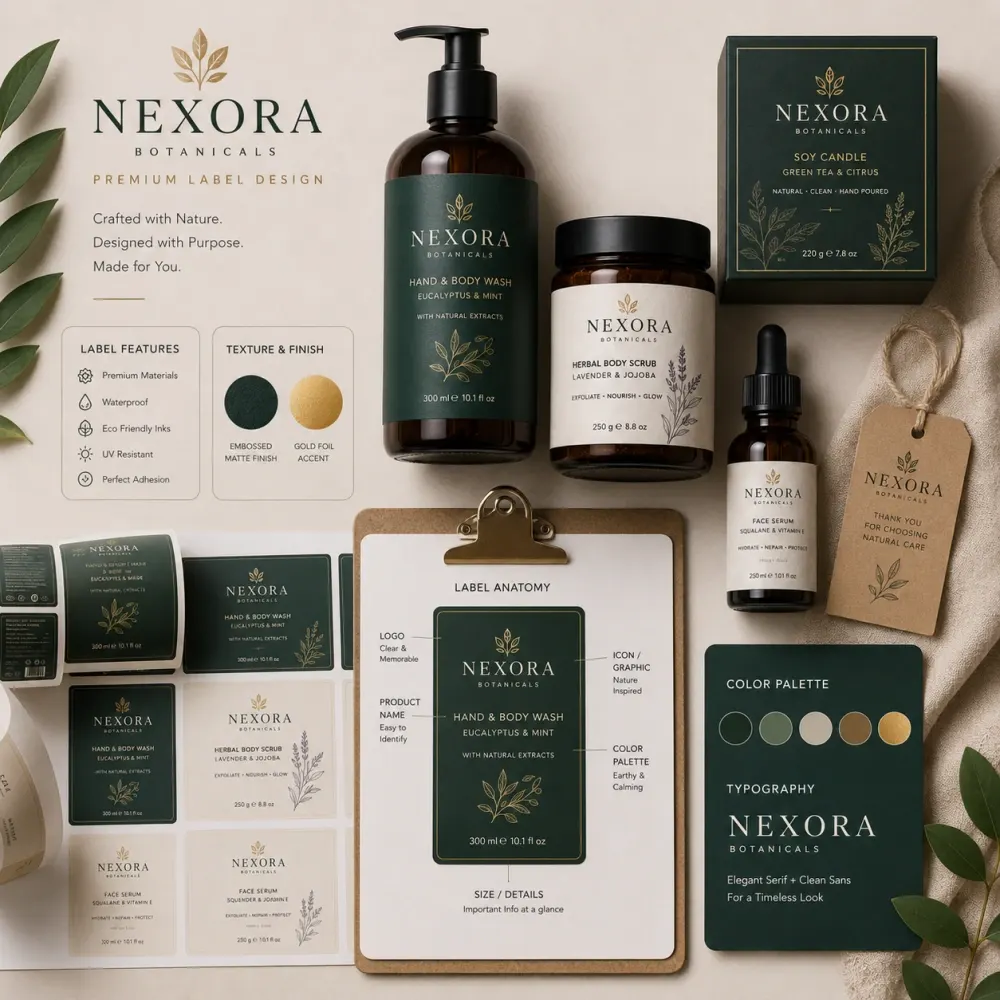
Clear rules that help designers, marketers, developers and vendors represent the same brand consistently.

























What Are Brand Guideline Services?
Brand guideline services turn a visual identity into a documented system that other people can use correctly. The document may be called brand guidelines, a brand style guide, a brand manual, a visual identity guide or a brand book. The name can change, but the purpose stays the same: explain the brand clearly enough that future work does not depend on one designer remembering every decision.
A useful guide normally covers the logo, color palette, typography, spacing, background use and common mistakes. A more complete brand standards manual can also document photography, illustration, icons, graphic devices, layouts, social media, digital applications, co-branding, signage, packaging, templates and tone of voice. We choose the sections according to how the business actually communicates rather than filling pages simply to make the document longer.
Why Clear Brand Guidelines Matter as a Business Grows
Consistency becomes harder when more people create brand material. Marketing may prepare campaigns, sales may build presentations, HR may create recruitment material, a developer may update the website, and outside vendors may produce print or signage. Without shared rules, each person can interpret the brand differently.
A brand style guide gives those teams one reference. It does not force every design to look identical. Good guidelines define the elements that should remain stable and show where creative flexibility is allowed. The logo may follow strict rules while campaign photography changes. Typography may remain consistent while layouts adapt to different formats. That balance protects recognition without making the brand feel rigid.
Brand Guidelines for New Businesses and Expanding Teams
New businesses often create materials quickly. The logo is approved, then the website begins, social media launches, a company profile is needed, and sales asks for a presentation. If the identity has no written rules, every new item can introduce another version of the brand.
Our brand guidelines design service gives new teams a stronger starting structure. We document the approved visual decisions before the identity spreads across many channels. This also makes outsourcing easier. A new freelancer, agency, developer or printer receives a clear reference instead of trying to reverse-engineer the brand from old files.
Logo Usage Guidelines That Protect Recognition
The logo usually receives the strictest rules because it carries the main visual identity. Logo usage guidelines can document the primary mark, secondary lockup, symbol, wordmark, monochrome versions and approved color variations when those assets exist.
We can define clear space, minimum size and background usage so the mark remains readable. Incorrect-use examples can show problems such as stretching the logo, recoloring it, adding effects, changing its typography, rotating it or placing it on a background that reduces contrast. These examples are especially helpful for non-designers because they show the boundary immediately.
Brand Color Guidelines for Digital and Print Use
Color often becomes one of the fastest recognition cues in a visual identity. A brand color guideline should do more than display a row of swatches. It should explain which colors lead the system, which colors support them and how the combinations should behave.
We can document primary, secondary, neutral and accent colors with relevant digital and print values such as HEX, RGB and CMYK. The guide can also show useful background combinations and practical contrast guidance. This helps prevent a supporting color from accidentally becoming the main brand color simply because a designer liked it on one project.
Typography Guidelines That Create a Repeatable Hierarchy
Typography appears across almost every brand touchpoint, so inconsistent type can make an identity feel disconnected even when the logo remains correct. Typography guidelines define the approved typefaces and explain how they work together.
We can show headline, subheading, body, caption and label relationships, along with weight, spacing, capitalization and alignment principles. We do not force one fixed font size onto every application. A billboard, presentation and mobile screen need different scales. Instead, the guideline explains the hierarchy so the same brand character can adapt intelligently.
Visual Identity Guidelines Beyond the Logo
A recognizable brand often uses supporting visual elements that continue the identity even when the logo is small. These can include shapes, patterns, lines, frames, textures, illustration styles, icon systems and recurring graphic devices.
Visual identity guidelines explain how those elements should behave. A pattern may work well as a subtle background but become distracting at full strength. A graphic shape may frame a headline but should not cover important photography. Documenting these choices gives future designers a system to build from instead of encouraging them to invent a new visual language for each campaign.
Photography and Image Direction for a Consistent Brand Feel
Photography can change the personality of a brand as much as color or typography. A business that uses warm documentary photography communicates differently from one that uses controlled studio imagery, even when both share similar logos.
Brand photography guidelines can define subject matter, lighting, cropping, composition, background style, color mood and the level of polish the brand prefers. We can also show imagery to avoid. This helps teams select or commission images that feel intentional instead of relying on unrelated stock photography whenever new content is needed.
Illustration and Icon Guidelines That Keep Supporting Graphics Related
Illustrations and icons can quickly lose consistency when different people create them. One project may use thin line icons, another uses heavy filled icons, and a third uses a completely different visual language.
We can document line weight, corner style, fill treatment, grid behavior, color use, perspective, shading, texture and level of detail where these elements matter to the identity. Clear rules make it easier to add new icons or illustrations later without breaking the visual system.
Layout and Composition Guidelines for Flexible Brand Communication
Brand consistency also comes from how elements sit together. Layout guidelines can define spacing, alignment, grids, margins, image placement, text blocks and the relationship between content and white space.
The purpose is not to create one template for every future design. It is to establish visual rhythm. One brand may prefer generous spacing, large headlines and asymmetric compositions. Another may use tighter grids and stronger content blocks. When these principles remain stable, different materials can still feel connected.
Social Media Brand Guidelines That Allow Variety Without Losing Recognition
Social channels move quickly, which makes them one of the easiest places for a brand to become inconsistent. Different campaigns, designers and trends can pull visual content in several directions.
Social media brand guidelines can define logo placement, type hierarchy, color behavior, image treatment, recurring post structures and campaign flexibility. Educational posts, announcements and paid ads do not need identical layouts, but they should share enough visual logic that people recognize the brand before reading the account name.
Digital Brand Guidelines for Websites, Screens and Product Touchpoints
Brands now appear across websites, mobile layouts, email, dashboards, digital advertising and presentations. Digital brand guidelines translate the visual identity into those environments without pretending to replace a full UI design system.
We can document digital color use, type behavior, spacing principles, image ratios, icon treatment and simple interface direction where relevant. Developers and designers then have a clearer visual foundation when they create new digital experiences.
Corporate Brand Guidelines for Teams, Departments and Vendors
Larger organizations need more structure because many people make brand decisions. Marketing, sales, HR, procurement, events, regional offices and external agencies may all create materials at the same time.
Corporate brand guidelines can include deeper rules for department naming, co-branding, presentations, documents, signage, internal communication, charts and multi-location usage. The guide should still remain practical. We organize information so users can find the rule they need without reading the document from beginning to end.
Brand Voice and Messaging Guidelines When Words Need the Same Consistency
Some brand guideline projects also need verbal direction. A brand voice guide can define personality, tone, sentence style, preferred vocabulary, words to avoid and examples for common communication situations.
The tone can adapt without losing identity. A social caption may sound lighter than a policy document, while a sales page may sound more direct than an internal announcement. When verbal identity forms part of the agreed scope, we document clear principles instead of filling pages with abstract adjectives that are difficult to use.
Brand Book Design That Works as a Reference, Not Just a Presentation
A brand guideline document should demonstrate the identity while remaining easy to navigate. Attractive pages are useful, but clarity matters more than decoration. Teams need to find a color value, logo rule or typography instruction quickly.
Our brand book design approach groups related rules, uses clear headings and shows practical examples. Logo information stays together. Color specifications remain easy to reference. Typography examples show real hierarchy. Application pages demonstrate how separate rules work together. The finished document becomes a working tool rather than a portfolio PDF that nobody opens after launch.
Brand Manual Design for People Who Are Not Designers
Internal teams often need to use brand guidelines even when they do not work in design. A sales manager, HR coordinator or operations employee may not understand terms such as lockup, clear space or hierarchy without context.
We write and structure brand manual content in straightforward language. Short explanations can show why a rule matters, such as why stretching the logo damages recognition or why a display font should not become body copy. This makes the system easier to follow across departments and reduces avoidable mistakes.
Co-Branding Guidelines for Partnerships, Sponsors and Shared Campaigns
Brands often appear beside partner, sponsor, event or parent-company identities. Without a clear rule, one logo may become too dominant, spacing may change from one project to another, or teams may create new lockups whenever a partnership begins.
Co-branding guidelines can define logo order, relative scale, divider use, minimum spacing, background treatment and the situations where a combined lockup is appropriate. For organizations that regularly work with partners, these rules remove repeated design decisions and help both identities remain clear without competing for attention.
Organized Brand Assets Make the Guidelines Easier to Apply
A brand manual is much more useful when the files behind it are organized. Teams should not need to search old email threads to find the correct logo or wonder whether a PNG is the master artwork.
Depending on the selected package, we can organize approved logo exports, source artwork, color references and supporting visual assets into a clear handoff structure. Practical naming also matters. Files such as primary-logo-dark.svg or icon-white.png are easier to understand than a folder filled with final-final-v7 files. The guide explains the rules, while the asset library gives people the correct files to apply those rules.
Brand Consistency Should Not Make Communication Hard to Read
Brand rules work best when they support communication rather than protecting appearance at the expense of usability. Low-contrast color combinations, very light body text or decorative type can look attractive in a presentation but become difficult to use in real content.
Where relevant, we can document practical contrast guidance, safer text-and-background combinations and sensible limits for decorative typography. These recommendations do not replace a complete accessibility audit, but they help future teams avoid common brand choices that reduce readability across websites, presentations and marketing material.
Brand Guideline Audit for Outdated or Inconsistent Systems
Some companies already have guidelines but no longer trust them. The logo may have changed, digital channels may be missing, new departments may have appeared, or teams may ignore the document because its examples no longer reflect current work.
A brand guideline audit reviews the existing guide against the identity being used today. We identify missing rules, conflicting instructions, outdated assets and areas that need expansion. The result may lead to a focused update or a more complete redesign, depending on how much the brand has changed.
Updating Existing Brand Guidelines Without Unnecessary Rebranding
A brand does not need a complete redesign every time its documentation becomes outdated. If the core identity still works, we can preserve established rules and update only the areas that no longer serve the business.
This may involve new logo variations, revised type guidance, additional colors, social media rules, photography direction, co-branding or digital applications. Updating the system protects existing recognition while giving current teams a reliable source of truth.
Our Brand Guideline Development Process
We begin with the identity that already exists. We collect approved logo files, colors, typefaces, visual assets, existing collateral and any previous brand documentation. We also review the channels where the brand appears most often, because a useful guide should answer the questions people actually face.
Next, we define the required sections and resolve any missing rules that fall within scope. We then design the brand book, create usage examples and organize the material into a clear structure. Client feedback helps refine the document. After approval, we prepare the final PDF and the source or supporting files included in the selected package.
What Should a Brand Guideline Include?
There is no single ideal page count. A useful guide includes the rules the business needs and avoids filler. Many projects start with logo versions, clear space, minimum size, color, typography, background use and incorrect examples.
A more complete system may add imagery, graphic elements, icons, layout principles, social media, digital use, co-branding, signage, packaging, templates or tone of voice. We define the scope by useful sections and deliverables rather than promising a large page number with repeated mockups.
How Long Does Brand Guideline Design Take?
The timeline depends on how complete the identity is before documentation begins. If the logo, palette, typography and visual system are already approved, the project can move directly into rules, examples and document design.
If core identity decisions are still changing, those decisions may need to be resolved first. A focused guide can move faster than a detailed corporate manual with co-branding, verbal direction, templates and many applications. Feedback speed also affects delivery because one change to a core rule can influence several pages.
What Affects Brand Guideline Design Cost?
Brand guideline design cost depends on the depth of the system, the number of sections and how much identity development is still required. A concise guide for an established logo system requires less work than a complete corporate brand standards manual.
Important cost factors include logo configurations, color and typography systems, custom graphic elements, image direction, social media rules, application examples, templates, verbal guidance, co-branding and editable-source requirements. We price the work around the actual scope so clients know what the document will contain before design starts.
Choose the level of brand documentation your team actually needs.
These packages are for businesses that already have an approved logo. Logo creation, major identity redesign, paid font licenses and third-party production costs are quoted separately when required.
Essential Brand Guide
Best for startups and small businesses that need clear core identity rules.
- Approx. 12–18 page brand guide
- Primary and secondary logo usage
- Clear space and minimum-size rules
- Primary and supporting color palette
- Typography hierarchy
- Basic background and misuse rules
- 2 application examples
- Final PDF brand guide
- 2 revision rounds
Professional Brand System
For teams that need broader visual rules across marketing, social and digital use.
- Approx. 25–35 page brand guideline
- Everything in Essential
- Expanded color and typography guidance
- Photography and imagery direction
- Graphic element and icon guidance
- Layout and spacing principles
- Social media and digital guidance
- 5 application examples
- Editable source file
- Organized logo and brand asset handoff
- 3 revision rounds
Complete Corporate Brand Book
For established organizations, multiple teams, locations or external creative partners.
- Approx. 45–70+ page brand book
- Everything in Professional
- Expanded visual identity standards
- Co-branding and partnership guidance
- Practical tone-of-voice direction
- Corporate document and presentation rules
- Print, digital and signage applications
- Up to 8 application examples
- 2 simple branded template layouts
- Editable source files and asset structure
- 4 revision rounds
Brand guideline package comparison
| Included | Essential $499 | Professional $999 | Corporate $1,999+ |
|---|---|---|---|
| Approx. guide length | 12–18 pages | 25–35 pages | 45–70+ pages |
| Logo usage rules | ✓ | ✓ | ✓ |
| Color & typography systems | Core | Expanded | Expanded |
| Photography / imagery direction | — | ✓ | ✓ |
| Graphic elements & icons | Basic | ✓ | ✓ |
| Social & digital guidance | — | ✓ | ✓ |
| Co-branding guidance | — | — | ✓ |
| Tone-of-voice direction | — | Optional | Included |
| Application examples | 2 | 5 | Up to 8 |
| Editable source file | Optional | ✓ | ✓ |
| Revision rounds | 2 | 3 | 4 |
Extend the guide when your brand needs more.
Why Work With a Brand Guideline Agency?
A brand guideline agency does more than arrange logo files inside a PDF. The work involves identifying which parts of the identity create recognition, where people are likely to misuse them and how to explain the system so another person can make correct decisions later.
The guide should answer practical questions: Which logo belongs here? Can it sit on this background? Which font should a presentation use? How should social content feel? What happens when a partner logo appears? When the document answers these questions clearly, it remains useful long after the original design project ends.
How to Choose a Brand Guideline Design Company
When comparing a brand guideline design company, look beyond page count. Ask how the team decides what belongs in the guide, whether it reviews the existing identity first, what application examples are included and how missing brand decisions will be handled.
Also confirm final file formats, editable-source access, revision limits and whether the examples relate to materials your business genuinely uses. A strong brand manual should feel specific to your organization rather than like a generic template with a different logo placed on top.
Common questions before starting a brand guideline project.
Clear scope makes the design process easier. These answers explain what the service covers, what the packages assume and how the final brand guide can be used.
The terms often overlap. Brand guidelines usually emphasize practical usage rules, while a brand book may also include broader brand story, strategy, personality or messaging. The actual sections and usefulness of the document matter more than the title.
A logo file does not explain color relationships, typography, spacing, imagery, backgrounds or application rules. Guidelines turn the approved identity into a system other people can use with less guesswork.
Yes. We can document an existing identity, organize inconsistent rules, expand a basic logo package or update an older brand manual without automatically redesigning the core brand.
There is no ideal page count. The guide should be detailed enough to answer real usage questions without adding pages that repeat the same information. Scope should follow the brand, not an arbitrary number.
Approved vector logo files are the best starting point. Existing colors, font information, brand assets, previous guidelines and examples of current marketing material also help us understand the system.
Yes. The Professional and Corporate scopes can include practical social media and digital brand guidance. The depth depends on the channels and applications your team actually uses.
Yes. Practical verbal guidance can be included in the Corporate package or added separately. Deeper messaging strategy and full copy systems can be scoped as additional work.
No. The listed packages assume an approved logo exists. If the logo or visual identity needs redesign before documentation, we quote that work separately so the guideline scope remains clear.
Editable source files are included in the Professional and Corporate packages. They can also be added to the Essential package when agreed before the project begins.
Yes. New channels, products, sub-brands, templates or applications can be added later. A clear core structure makes future updates easier than rebuilding the document from the beginning.
Yes. We can define master rules and show how approved local information, branch names or location-specific communication should fit within the central identity.
Major logo redesign, full naming or positioning strategy, paid font licenses, photography production, large template systems, printing and third-party production costs are separate unless the quotation specifically includes them.
Give your brand one clear system everyone can follow.
Send us your approved logo files, existing brand assets, current guidelines if you have them, and examples of the materials your team creates most often. We can turn those decisions into a practical brand guide built for real use.